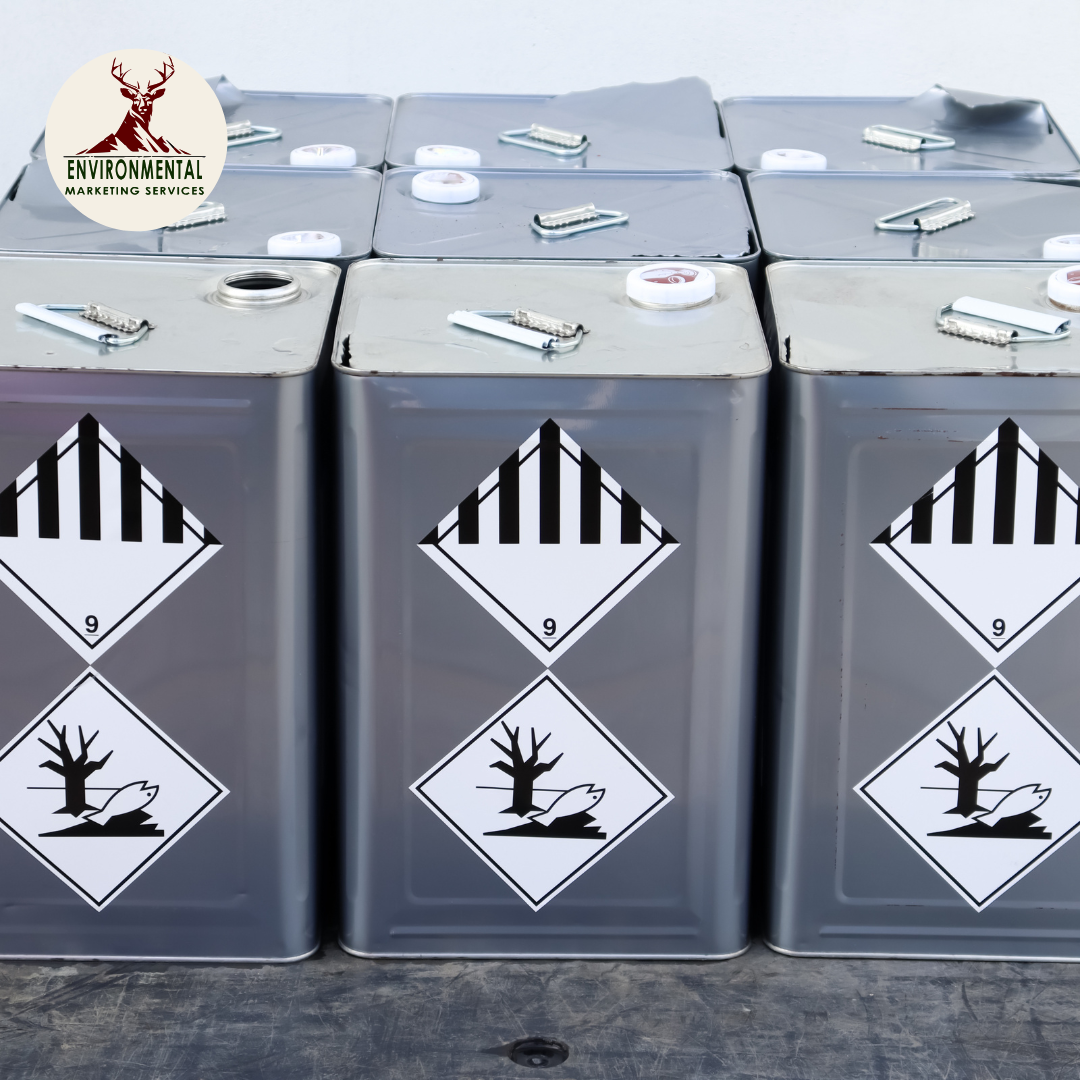
Chemical waste disposal in laboratory settings is more than just a cleanup task. It is a safety measure that safeguards people, equipment, and the environment from harmful exposure. Whether it is a school science lab or a commercial research facility, dealing with chemical waste the right way matters every day. As we move through the winter months, extra care is needed since colder temperatures and weather-related delays can affect how and when waste gets picked up.
Many labs deal with fewer pickups around the holidays, which can cause storage areas to fill up faster than usual. Planning ahead and adjusting indoor handling routines can help manage that buildup safely. Winter also increases the risk of temperature-sensitive chemicals reacting unexpectedly. With the right preparation and habits, we can keep laboratory waste under control and meet all regulations for hazardous waste services without disrupting daily work.
Proper labeling and storage of chemical waste
Labels do a lot of heavy lifting when it comes to chemical waste. Every container, no matter how small or simple, should include the chemical’s full name and hazard class. These pieces of information help others understand what they are working around and what safety steps are required if something spills or breaks.
Not all containers work the same, either. In winter, it is important that storage containers are leakproof and sturdy enough to handle temperature shifts. Materials like glass or plastic can weaken when exposed to cold for long periods. We use containers that are specifically appropriate for hazardous chemical waste and make sure that they meet DOT and EPA requirements for safety in both warm and cold conditions.
It is just as important to watch where waste is stored. Chemicals should not sit near space heaters or HVAC vents, and they should not block pathways or get stacked carelessly. A secured, marked area away from foot traffic helps limit the chance of an accident. Waste should always be organized, upright, and easy to access for safe pickup.
Types of chemical waste commonly found in labs
Chemical waste comes in many forms, and not all of it is hazardous, though that does not mean it should be ignored. Non-hazardous waste still needs handling, tracking, and packaging before it leaves a lab. Knowing the difference helps when it is time to sort and prepare items for storage or removal.
Labs of all kinds, academic, industrial, and medical, often deal with a similar list of waste items. These include:
• Used solvents like acetone, ethanol, or methanol
• Acidic or basic materials, such as hydrochloric acid or sodium hydroxide
• Reactive chemicals like oxidizers or peroxides
• Expired, unknown, or unlabeled chemicals
Mixed waste can be especially tricky. A container with both chemical and biological elements, or one filled with incompatible substances, needs more attention. Mixing the wrong combination, knowingly or by accident, can lead to smoke, pressure buildup, or other reactions inside the container. That is why it is safer to keep incompatible materials separate from the start.
Seasonal considerations during winter months
Cold weather creates unique storage challenges. Some chemicals become unstable when exposed to freezing conditions. Others expand inside their containers, which can cause pressure buildup or leaks. If outdoor drums or cabinets are not insulated, they may not protect contents from snow or long stretches of freezing temperatures.
One approach we take is shifting more waste indoors when winter delays affect pickup schedules. But that relies on having safe, ventilated indoor space and containers in good condition. Vent-hinged caps or overflow barriers can help, but only if the containers themselves were meant for indoor storage in the first place.
We provide lab packing and tailored storage guidance, helping labs across Seneca, South Carolina, and beyond develop safe protocols for sorting, packing, and storing chemicals throughout the year, especially during winter.
Another risk involves condensation. Bringing cold containers into a warm room can cause surface moisture, making labels peel off or making containers slippery to handle. Taking the extra step to check and relabel containers as needed goes a long way toward preventing confusion when pickups resume.
Common mistakes to avoid in chemical waste disposal
Even the most experienced labs make mistakes. Sometimes it is because schedules are busy or equipment is limited. But shortcuts in waste disposal usually lead to bigger problems down the road.
There are a few things that should never be done:
• Do not pour chemicals down sinks, floor drains, or toilets
• Do not mix unknown or leftover chemicals in the same container
• Do not leave off labels or store open or leaking containers
• Do not forget to track disposal dates, weights, or contents in your logs
• Do not let waste pile up in places not meant for storage
Another common problem is using containers that show signs of wear, cracks, rust, or pressure changes. Ignoring these signs increases the odds of containers leaking or failing. Staying alert and taking a few minutes for inspection each week helps avoid emergency situations.
How professional services support lab safety
Managing laboratory waste is never just about getting it out the door. It includes labeling, inspections, audits, and paperwork. When we rely on trained chemical waste handlers, especially during colder seasons, we avoid surprises and stay ready for inspections.
We not only sort and haul away waste, but we know when a container needs to be repacked, which forms apply to each type of waste, and how often logs need updating. We bring the right gear and equipment to avoid temperature shock during winter pickups.
Having a disposal partner also helps with documentation. Keeping accurate manifests, container labels, and tracking reports may seem like small tasks, but these details can affect compliance during both routine checks and unplanned inspections.
Stay Ready Year-Round: Safe Lab Waste Management
Chemical waste handling gets harder during winter when pickups slow down and outside conditions turn rough. But with the right habits in place, labs can keep moving without risk to people, property, or productivity.
We have nearly three decades of experience assisting laboratories across 47 states with everything from routine chemical disposal to complex lab packing projects, always maintaining the highest standards of environmental responsibility. From labeling and storage to regular checks and documentation, every step adds up. Staying consistent keeps risks low and makes sure the rules are followed. That is why working with a trusted partner like us brings peace of mind, no matter the season.
At Environmental Marketing Services, we help commercial labs manage every step of disposal so waste does not slow down important work. From secure storage to careful labeling and pickup planning, we support safe chemical management year-round. When colder weather changes routines or causes delays, having a solid plan makes a real difference. For help staying on track with hazardous waste services, we are ready to help, just contact us to get started.