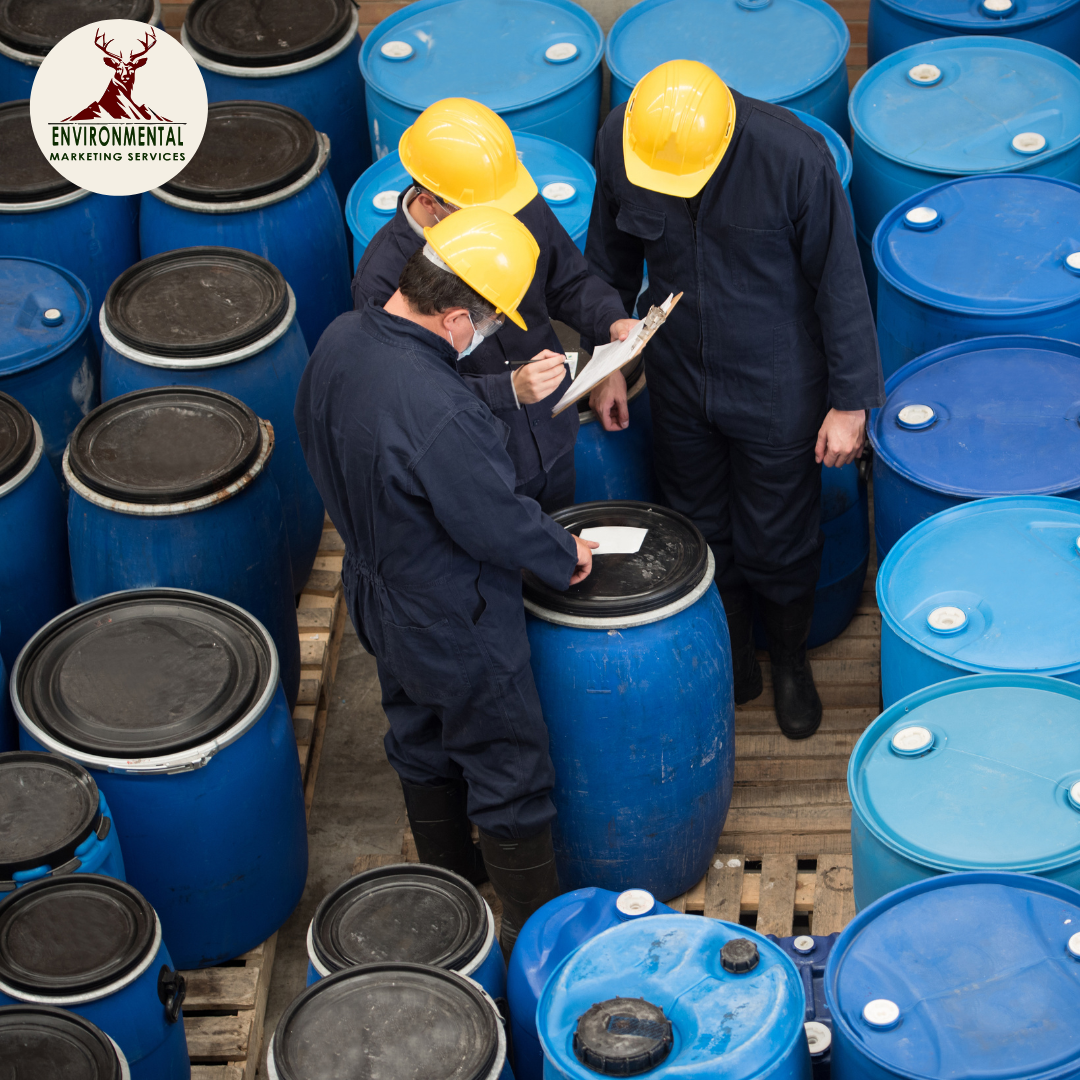
Proper disposal of chemical waste in laboratories is a key aspect of ensuring safety and maintaining a productive work environment. Handling chemicals daily means that laboratories generate waste that must be managed carefully to prevent any potentially harmful exposure. Ignoring proper disposal practices can lead to serious risks like chemical spills, fires, or contamination, which jeopardize both health and safety. Laboratories must establish reliable disposal processes not just to comply with regulations but to protect both staff and the environment.
Proper procedures for chemical waste disposal provide numerous benefits. By compartmentalizing waste according to its type—be it corrosive, flammable, or toxic—a lab can minimize exposure and streamline the disposal process. This safeguards laboratory personnel from accidents and fosters a culture of safety and responsibility. Ultimately, adopting thorough disposal practices plays a significant role in preserving the integrity of the lab and the health of its workers.
Identifying Different Types of Chemical Waste
Understanding and categorizing the different types of chemical waste generated in laboratories is the first step in managing them efficiently. This involves recognizing the various hazardous waste classes and assigning each a specific disposal method aligned with its characteristics. Here’s a breakdown of some common types of chemical waste found in laboratories:
1. Corrosive Waste: These include acids and bases that can destroy or irreversibly damage other substances upon contact. Proper storage using resistant containers is necessary before final disposal.
2. Flammable Waste: These are substances like acetone or ethanol that can easily catch fire. They must be placed in flame-resistant containers and kept away from ignition sources.
3. Toxic Waste: Materials such as heavy metals or certain organic compounds fall under this category. These pose significant health risks upon exposure and require specialized handling to avoid contaminating air, soil, or water.
4. Reactive Waste: These substances can explode or release toxic gases when improperly mixed. Careful labeling, storage, and segregation are needed to control the danger.
Accurate identification of chemical waste not only enhances laboratory safety but also improves the efficiency of the disposal process. If waste is misclassified or improperly labeled, it increases the risk of accidents and environmental damage. This is why staff training in chemical classification remains a standard part of operational safety measures. Regular training supported by clear labeling systems helps ensure waste is understood and managed properly from the point of origin to final disposal.
Best Practices for Chemical Waste Collection and Storage
Proper collection and storage methods are bedrock practices in managing chemical waste safely. The first step is ensuring that labs use containers designed to resist the specific chemical properties of the waste they hold. For example, corrosive waste should not be stored in metal containers that could degrade. Labels must be affixed with information about the contents, hazards, and date of collection.
Storage areas should be clearly marked and located away from the main work zone, minimizing any potential for disruption or exposure. Containers holding incompatible materials should never be stored together. For example, flammable liquids must be separated from oxidizers, and acids kept away from bases.
Ventilation in chemical waste storage areas is another important detail. Without proper airflow, fumes could build up and increase health or combustion risks. Establishing a checklist and routine inspections helps staff maintain safe conditions. These regular checks also support laboratory compliance and help spot any early signs of wear, leaks, or spilled waste.
Lab personnel must be routinely trained and given access to updated safety protocols. Storage best practices include:
1. Choose chemically appropriate containers for each waste type.
2. Use clear, durable labels listing contents and collection dates.
3. Store waste in specific areas away from active lab space.
4. Keep incompatible chemicals separated.
5. Maintain proper ventilation in all storage spaces.
6. Conduct regular container and space inspections.
This process makes chemical waste handling more predictable and reduces the potential for dangerous incidents in the lab.
Disposal Methods for Chemical Waste
Once chemical waste is safely collected and stored, the disposal process should follow clear, regulation-compliant methods. These will differ based on the classification of the waste. For instance, incineration is common for solvent-based waste like alcohol or acetone. These materials are burned in controlled environments to neutralize hazards and reduce waste volume.
Toxic materials require treatments before disposal. This could involve neutralization, in which specific agents are added to reduce the toxic properties, or stabilization, where the waste is converted into a less mobile and safer form. Reactive chemicals are disposed of using carefully designed mechanisms, which often include neutralizing agents or secure containment and transport to specialized facilities.
While each disposal path has specific steps, all methods must comply with state or federal regulations. Laboratories are encouraged to reference regulations available from the Environmental Protection Agency (EPA) or their local environmental agencies.
Due to the complexity and liabilities tied to regulatory compliance, many labs choose to outsource this responsibility. Professional disposal services monitor these requirements and use certified processes, reducing the risk of fines or non-compliance.
Partnering with Professional Waste Management Services
Many laboratories choose to work with professional waste management firms because of the depth of expertise and convenience they offer. Chemical waste disposal is detailed, regulated, and often involves processes and tools unavailable in typical laboratory settings.
Professional services bring experience, regulatory knowledge, and the equipment needed to safely transport, treat, and dispose of chemical waste. This reduces the time staff spend managing disposal internally and ensures nothing is missed when it comes to compliance.
These services often begin with a thorough assessment of the lab’s current waste handling procedures. Based on lab size, chemical inventory, and operation type, providers can design a solution tailored to the organization’s needs. Support services included may involve training sessions for lab staff, compliance assessments, labeling systems, and scheduled pickups.
By working with a management service that understands chemical waste, labs maintain a higher level of safety and reliability while focusing on their primary work.
Improving Long-Term Safety and Compliance
Managing chemical waste responsibly is more than a routine—it shapes daily working conditions and impacts long-term safety. When a lab builds its waste management system with care, it not only protects its team but also contributes to broader environmental stewardship.
Implementing strong sorting, collection, storage, and disposal methods helps prevent emergencies before they arise. At the same time, partnering with professional services ensures the lab remains compliant and efficient.
Creating a structured approach to waste handling shows a lab’s commitment to both internal safety and external responsibility. With the right practices and partnerships in place, teams feel more confident, hazards are reduced, and operations continue smoothly day to day. These steps form the foundation of a safe, compliant, and productive laboratory.
For laboratories seeking comprehensive waste management solutions, consulting a professional can streamline safety procedures and compliance standards. Explore how Environmental Marketing Services can support you with their wide range of hazardous waste services to keep your lab operating smoothly and safely.