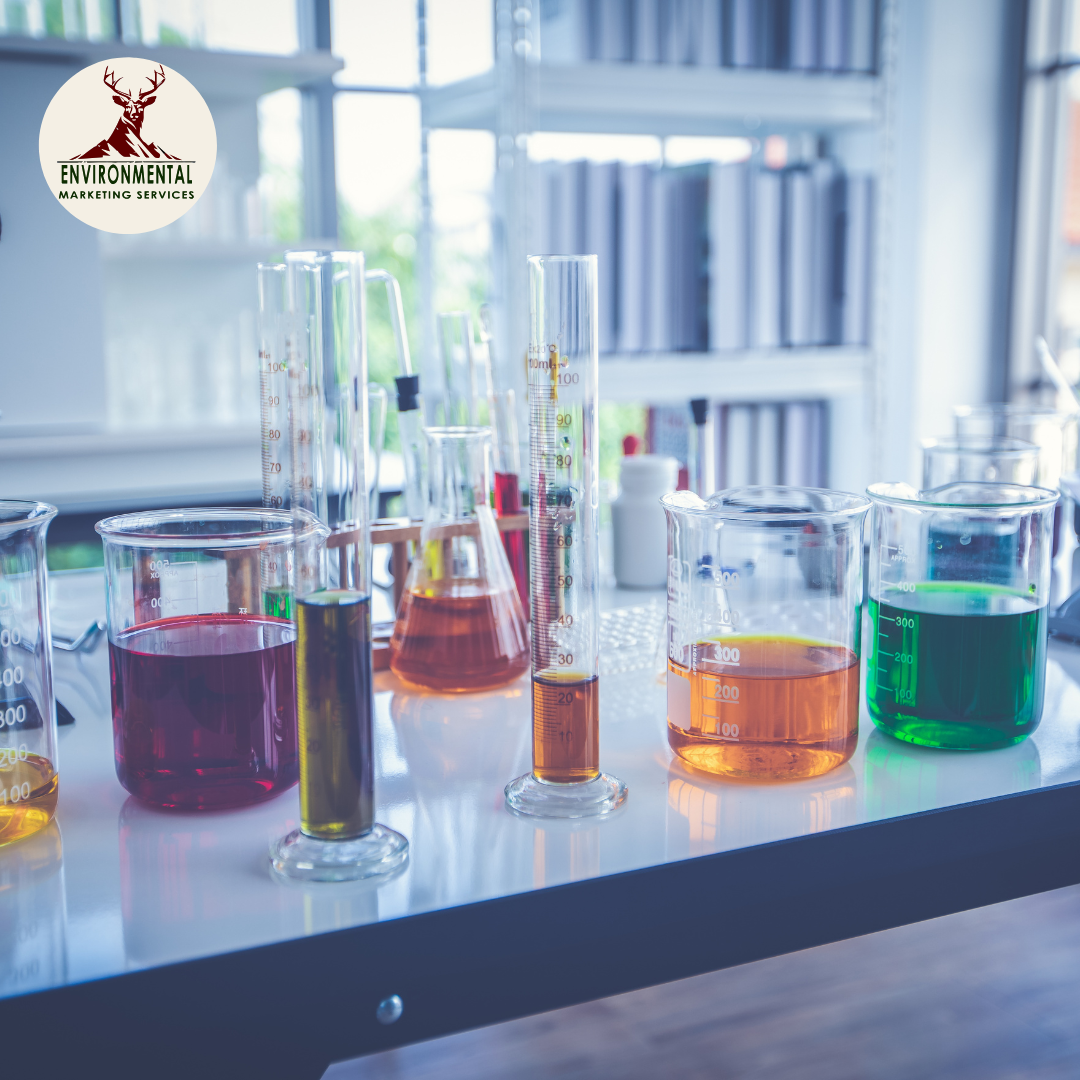
Chemical waste disposal is a pressing issue that requires attention. It involves the proper handling and getting rid of harmful chemicals that can pose risks if not managed correctly. Whether it’s from factories to laboratories, knowing how to deal with chemical waste can help protect our environment and health.
Harmful chemicals seeping into water or soil are a real concern. Understanding what chemical waste is and how to manage it can prevent such scenarios. Let’s explore different aspects of chemical waste, why it’s important to dispose of it appropriately, and some of the methods used.
What Counts as Chemical Waste?
Chemical waste refers to leftover chemicals that are no longer useful and need to be thrown away. This can include anything from expired cleaning products to lab chemicals. Here are some examples that give a clearer picture:
– Old paint cans
– Used batteries
– Lab chemicals
– Cleaning solvents
Different types of chemical waste require distinct handling methods. Hazardous types can harm humans and the environment. Non-hazardous waste is less dangerous but still needs proper disposal. Each type demands a specific approach to make sure it’s handled safely and efficiently.
The Importance of Proper Chemical Waste Disposal
Proper disposal is key to keeping our surroundings safe. If not managed well, chemical waste can lead to serious environmental troubles. For instance, improper disposal can lead to:
– Contaminated water sources
– Soil pollution
– Air quality issues
Furthermore, there are health implications in addition to environmental considerations. Anyone coming into contact with improperly handled waste could face health hazards. These can include skin irritation, respiratory issues, or more severe health conditions. Recognizing the importance of correct disposal methods can help in creating a safer environment for everyone.
Methods of Chemical Waste Disposal
Dealing with chemical waste requires effective methods to ensure safety for people and the environment. There are several common and specialized techniques used to handle this task. Understanding these methods can help make informed choices when facing disposal needs.
- Recycling and Reuse: Many chemicals, especially from industrial processes, can be recycled or repurposed. This process not only reduces waste but also conserves resources. For example, solvents used in operations can often be distilled and reused.
- Incineration: This method involves burning hazardous waste at high temperatures. It effectively reduces the waste to ash, gas, and heat. Incineration is useful for destroying organic compounds that might be difficult to dispose of otherwise.
- Neutralization: Some chemical wastes, particularly those that are acidic or basic, can be neutralized. By adding chemicals to adjust their pH, these wastes can be made safer for further handling or disposal.
- Landfills: Special hazardous waste landfills are designed to hold chemical waste safely. These landfills have systems to prevent leakage and ensure that chemicals do not seep into the ground or water supply.
How Environmental Marketing Services Can Help
Turning towards specialized services aids in ensuring that chemical waste is managed efficiently and responsibly. With a thorough approach, a service can address disposal needs while adhering to regulations. Here’s how expertise in chemical waste can assist:
– Comprehensive Solutions: A dedicated service can handle the complexities of chemical waste, from collection to final disposal, allowing you to focus on other priorities without worry.
– Compliance and Safety: Experienced professionals stay updated with regulations, ensuring your waste disposal follows all legal and safety standards, minimizing potential fines or health hazards.
– Tailored Support: Each client’s needs can vary, and specialized services offer personalized plans to meet specific requirements, ensuring effective management of waste.
Safety Guidelines for Handling Chemical Waste
Keeping safe while handling chemical waste is a priority. Understanding the best practices makes sure everyone involved stays protected from potential hazards.
– Wear Protective Gear: Always use gloves, masks, and eye protection when dealing with chemicals.
– Label and Separate Waste: Proper labeling prevents mixing incompatible chemicals, which could lead to dangerous reactions. Storing waste in designated containers helps streamline disposal processes.
– Immediate Action in Case of Spills: Have a plan ready for any spills or leaks. Quick action can prevent contamination and health risks. Supplies like absorbent materials and spill kits should be easily accessible.
Thorough knowledge of these methods and safety practices ensures that chemical waste is handled in a way that is both effective and secure. By working with specialized waste management services, you can contribute to creating a cleaner, safer environment.
To effectively manage your chemical disposal needs, embracing professional help is key. Explore our comprehensive range of hazardous waste services provided by Environmental Marketing Services today. Our team is dedicated to ensuring safe, compliant, and efficient waste management solutions for your business.