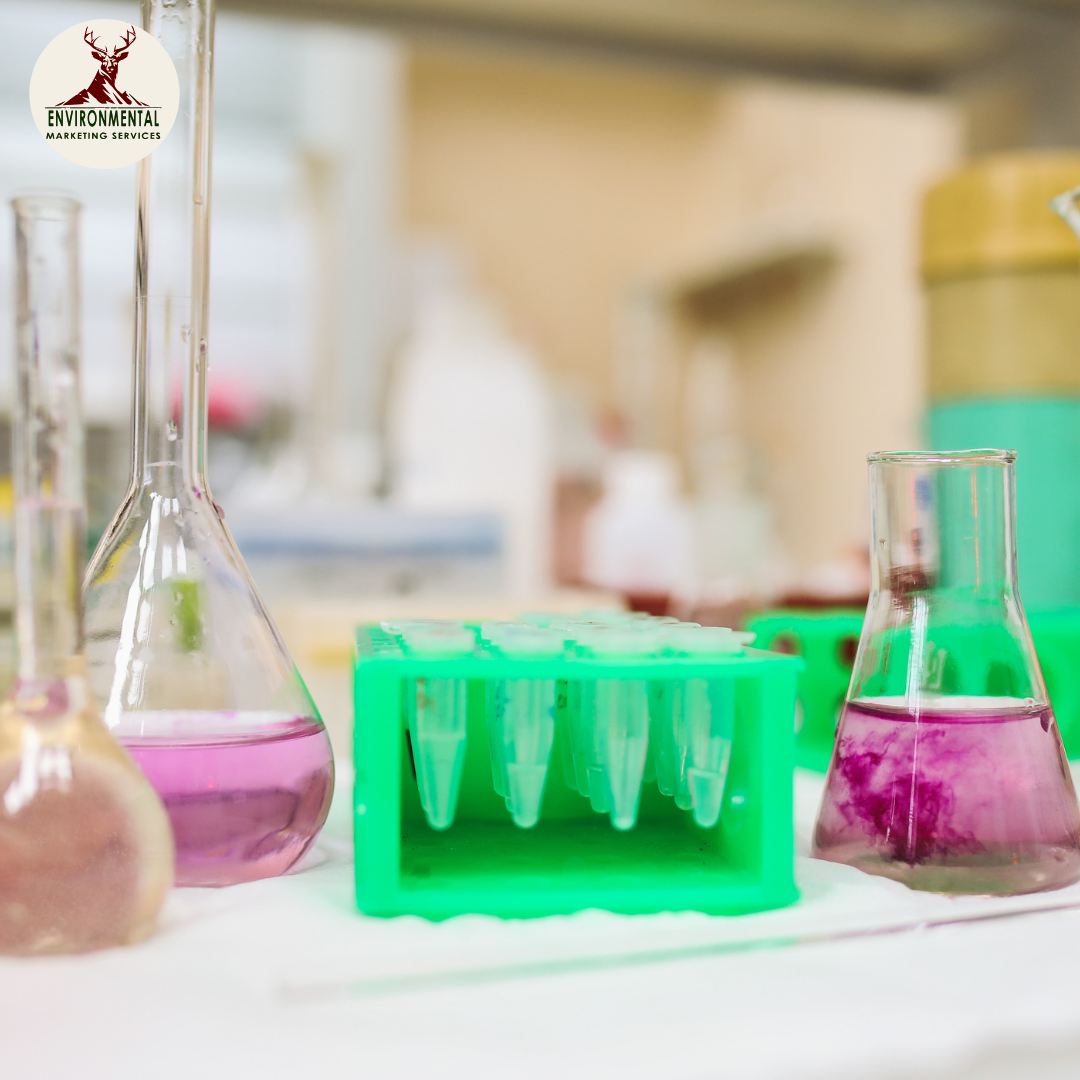
Laboratory chemical disposal is the process of removing potentially dangerous substances in a way that protects both human health and the environment. Inside laboratories, chemicals range from common solvents to highly reactive compounds that demand special handling. When not managed correctly, these chemicals create safety hazards, including fire risks, toxic exposure, and environmental pollution.
This issue is more than just following protocol. It plays a big role in daily lab safety, long-term sustainability, and meeting legal obligations. Environmental Marketing Services understands how important proper disposal is and specializes in responsible, regulated chemical waste management. Our goal is to help laboratories handle their chemical waste safely and efficiently, reducing risk while supporting compliance.
Identifying Hazardous Chemicals in the Laboratory
Proper disposal begins with identifying which chemicals in a lab are hazardous. Many substances commonly used in laboratories fall into this category. These include acetone, sulfuric acid, sodium hydroxide, formaldehyde, mercury compounds, and other solvents or reagents classified under various hazard classes.
Accurate identification depends on clear labeling and well-organized documentation. Look for signals such as hazard pictograms, signal words, and risk statements. These are found on chemical containers and outlined in material safety data sheets (MSDS), which detail each substance’s properties, dangers, and safe-use instructions.
Improper handling of these chemicals can lead to severe consequences. Burns can occur from direct skin contact. In some cases, chemicals may react violently with others, creating toxic gases or explosions. When disposed of incorrectly, hazardous substances may seep into the air, water, or ground, causing long-term damage. Identifying and understanding the risks early on ensures better decisions through the rest of the disposal process.
Safe Collection and Storage of Laboratory Chemicals
Before a chemical leaves the lab, it must be collected and stored safely. This phase is often overlooked, but it’s where most accidents happen if guidelines aren’t followed. The first step is to use containers specifically made for chemical waste. These should be chemically resistant, leakproof, and labeled with both the contents and the date of accumulation.
In gathering waste, always keep chemicals separate based on type. Acids should never share a container with bases, and oxidizers must be isolated from flammables. Mixing the wrong substances can result in uncontrollable reactions. Assign storage locations based on classification and compatibility to avoid accidents.
Ventilation plays a big part, too. Store volatile substances in well-ventilated areas to keep fumes low. Lockable cabinets and designated waste collection zones protect staff and prevent unauthorized access. Proper storage reduces the likelihood of spills and helps ensure a better chain of custody until the waste leaves the site.
Labels should include the full chemical name, hazards, and the date the waste was first added. This helps staff know exactly what they’re handling and supports safer processing later.
Procedures for Laboratory Chemical Disposal
Each chemical requires a disposal method based on its composition, reactivity, and toxicity. Following documented and approved procedures is the most reliable way to protect both lab workers and the environment.
Start with segregation. Waste should be separated at the source, sorted into categories such as organic solvents, acids, bases, flammables, and heavy metals. Improper segregation can lead to dangerous reactions during storage or transport.
Next, prepare the chemicals for disposal by sealing them in compatible containers. If neutralization is needed, such as for acids or bases, it must be done using appropriate methods guided by established protocols. Avoid pouring chemicals down the sink or mixing unknown substances.
Label all waste containers clearly. This is not only a best practice but also a requirement under regulatory rules. Make sure labels identify contents, date of packaging, and any hazards.
Finally, schedule removal with professional services that are trained and permitted to handle laboratory waste. They can ensure the waste reaches an approved treatment or disposal facility without breaking any compliance rules along the way.
Ensuring Compliance with Regulations
Environmental regulatory bodies such as the Environmental Protection Agency (EPA), Department of Transportation (DOT), and other state agencies outline strict protocols for handling and disposing of hazardous waste. Laboratories must follow these to remain in legal compliance and to protect everyone who might come in contact with the waste.
Understanding regulations requires knowledge of chemical categories, limits, and approved methods of disposal. Labs that produce even small amounts of hazardous waste are considered hazardous waste generators, which means they must follow tracking, labeling, and documentation rules.
Failing to comply results in citations, large fines, or more serious consequences. Labs can avoid this by regularly updating their waste management plans, training staff on labeling and handling procedures, keeping accurate records, and working with professional disposal providers.
Routine audits and self-inspections are also encouraged to spot any gaps in compliance. When in doubt, it’s better to consult with experts than to assume internal processes are enough.
Partnering with Environmental Marketing Services for Laboratory Chemical Disposal
Handling hazardous waste is not something labs should take on alone. Environmental Marketing Services has the experience and certifications needed to safely collect, transport, and dispose of laboratory waste under full regulatory compliance.
By working with our team, labs gain access to knowledgeable professionals who understand the rules and can create a plan tailored to their specific waste streams. We manage pickup schedules, handle classification, and ensure every step is documented and legally sound.
Partnering with us gives lab managers peace of mind. It reduces liabilities, increases safety, and creates a cleaner work environment. It also frees up time and resources, allowing laboratories to focus on their primary mission—research, testing, teaching, or production—without getting bogged down by waste concerns.
Creating a Safer Laboratory Environment
Establishing safe and responsible chemical disposal practices does more than keep a workspace tidy. It ensures a sound, ongoing commitment to safety, sustainability, and professional responsibility. From staff training to partnering with trusted providers, every step builds a system that supports safety and regulatory compliance.
Lab safety is a shared effort. With clear chemical identification, proper storage, and informed handling procedures, laboratories reduce risk and encourage responsible habits. Choosing expert disposal services like Environmental Marketing Services is a smart and effective way to stay ahead of problems and keep your team and environment protected.
To keep your laboratory operations safe and compliant, integrating services for hazardous waste into your routine can help minimize risks and support proper chemical management. Environmental Marketing Services offers reliable solutions that ensure every step of the disposal process is handled with care and in accordance with industry regulations.