Hazardous waste disposal helps keep people, property, and the environment safe. In places like Seneca, SC, where chemical use in businesses and labs is part of daily operations, having a plan in place matters. When handled the right way, waste does not end up where it should not, like in the soil, water, or local waterways.
Businesses that handle chemicals, solvents, or industrial byproducts cannot leave waste sitting around. Cold weather makes it harder to store or manage these materials outdoors. Holding tanks can freeze, pipes can burst, and delays can pile up during holiday schedules. That is why hazardous waste services become even more important before winter hits. What follows is a look at how safe disposal works, what happens when it does not, and why it pays to prepare now rather than wait.
Understanding What Counts as Hazardous Waste
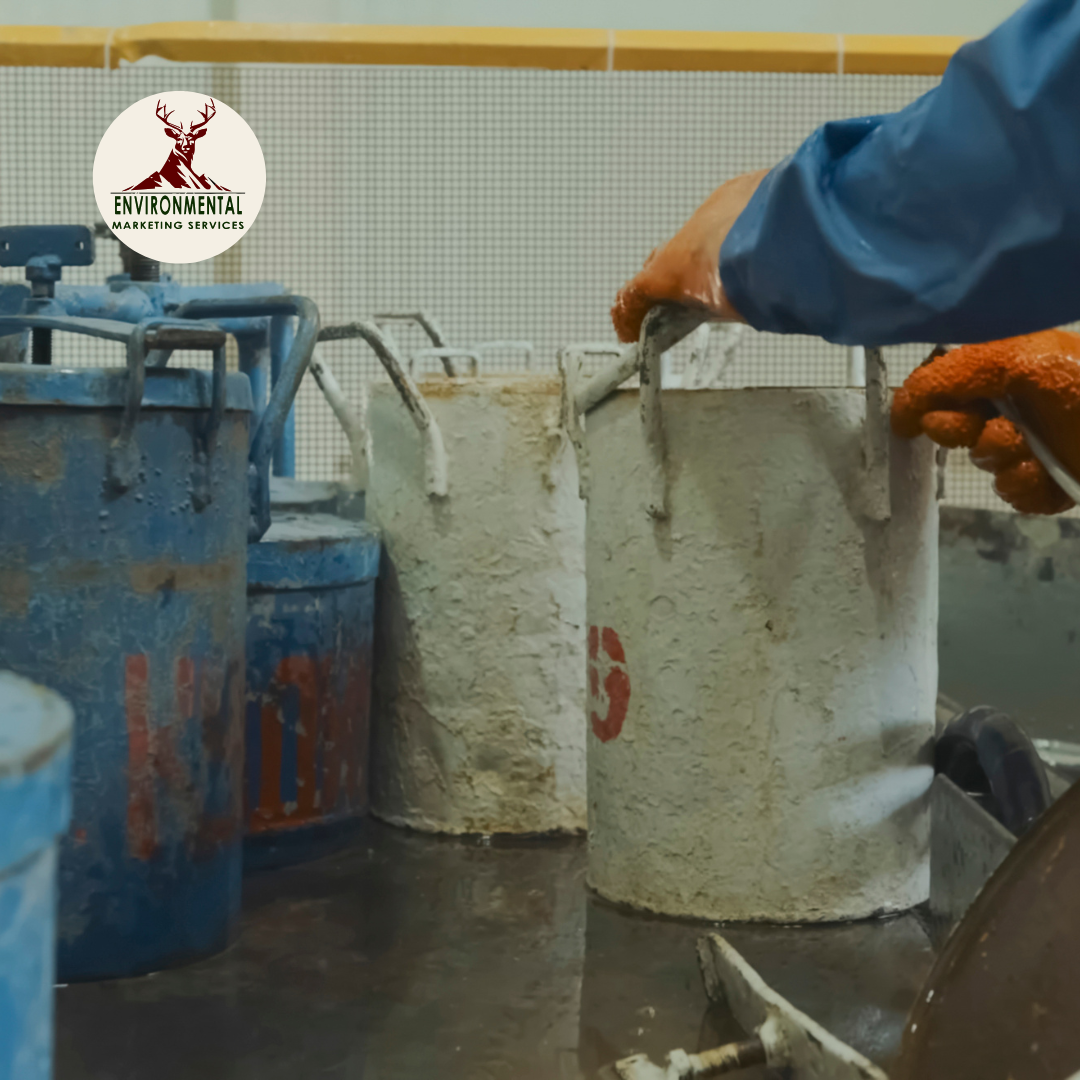
Hazardous waste is not just one thing, and that is a big part of what makes handling it tricky. In commercial settings, this type of waste includes leftover chemicals, used solvents, lab packs, contaminated solids, and dangerous byproducts from production or testing.
The common link between them is risk. Whether it is toxic, flammable, or corrosive, each waste type can cause serious trouble if it leaks into the environment. One barrel left unsealed or one mislabeled drum could lead to air quality issues, stormwater pollution, or damage to nearby soil.
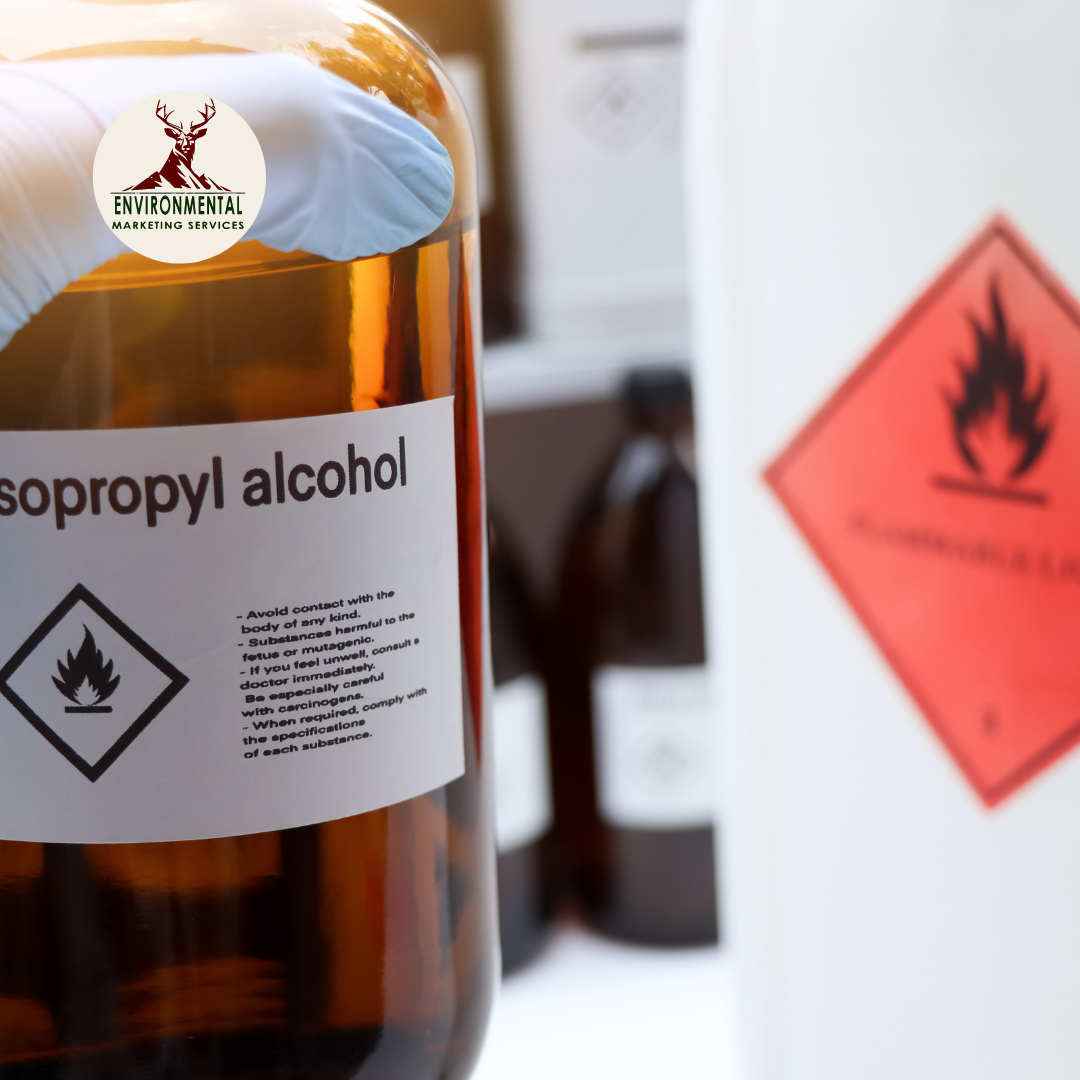
Not all hazardous waste behaves the same way either. Some materials cannot be stored in plastic. Others react when mixed. That is why sorting and labeling have to be precise every step of the way. Trying to treat everything the same opens the door to spills, fines, or worse. We treat every load like it is different, because it usually is.
Seasonal Waste Challenges in the Winter Months
Winter brings its own set of problems when it comes to managing waste. In Seneca, SC, December through February can bring freezing nights, tougher road conditions, and sharp dips in activity at commercial sites.
Containers stored outside are more likely to crack or leak when temperatures drop. Frozen liquids expand. Humid air gets trapped and turns into condensation, which can trigger rust, label peeling, or even chemical reactions. Holding waste too long during a shutdown or delay can lead to overflow or odor complaints once things pick back up.
Planning disposal ahead of time is the best way to avoid these winter risks. That means cutting back on excess storage, reviewing closure dates, and keeping an eye on waste levels. When we know the risks tied to the season, we can help make sure none of it becomes an emergency.
It is also important to maintain clear walkways to waste containers, as icy paths can slow down staff and cause accidents. By repositioning bins or using temporary weather protection, businesses can lower the risk of frozen material and make access easier when it is most needed.
Why Compliance Matters for Businesses
Every business that generates hazardous waste falls under state and federal rules. In South Carolina, that includes requirements from the Department of Health and Environmental Control, as well as laws from the EPA about how waste is classified and handled.
From the start, waste needs to be labeled the right way. Tracking paperwork has to match what is leaving the site. Employees involved in storage or haul-off need proper training. These steps are not just red tape; they protect both the business and the environment. Skipping them can lead to penalties during audits or field checks.
Being ready for inspections means more than just keeping things looking good on the surface. It means regular drum checks, updated records, and staying current on any rule changes. Every bit of prep now saves headaches later.
Regular compliance reviews and training updates help staff stay familiar with procedures and reduce mistakes during busy winter months. Having clear documentation and a field-proven process boosts safety while keeping disruptions at bay.
Key Steps in Safe Hazardous Waste Disposal
Strong disposal practices start with picking up the waste safely. That includes wearing protective gear, storing materials in the right containers, and clearly marking what is inside each drum or box.
From there, the waste goes through sorting. Some chemicals cannot be near others. Water-reactive materials, for example, need to stay sealed and separate. This is where experience makes a big difference. Getting the mix wrong can turn storage into a safety risk.
Once everything is sorted and labeled, transport begins. Trucks used for waste hauling must follow strict routes and meet DOT rules. In some cases, routes are chosen to avoid areas where spills would be harder to contain. Good logistics, detailed labels, and communication between departments all help waste get from point A to point B without accidents.
After delivery to approved facilities, waste is processed according to state and federal standards. This may involve neutralizing chemicals, incineration, or other approved methods. At every step, documentation ensures traceability and accountability, supporting businesses during internal reviews or regulatory checks.
Choosing a Waste Partner in Seneca, SC
When dealing with rules and risks like these, having a waste partner who knows the area counts. Working with someone local makes it easier to schedule pickups before storage fills up or weather turns rough.
Look for companies that hold the right permits and have proven safety records. Ask about their experience with the types of waste your business generates. The right partner should help spot issues before they happen and stay on top of changing regulations.
Being close by can also make a difference in timing. Delays during travel are not just about inconvenience; they affect site safety. Quick response, clear scheduling, and local knowledge help keep disposal on track.
High-quality partners communicate with clients throughout the process, providing reminders ahead of scheduled pickups or changes in winter routes. They help clients understand new local requirements, coordinate holiday or emergency pickups, and keep processes running smoothly no matter the weather.
Expert Services for Seneca Businesses
We have been a trusted partner for hazardous waste disposal in Seneca, SC, since 1998, serving businesses, laboratories, and organizations across 47 states. We offer specialized services such as lab packing, chemical recycling, and universal waste management, providing both regulatory compliance and peace of mind for clients. With our ability to handle hazardous, non-hazardous, and universal waste, our clients benefit from end-to-end solutions that meet strict environmental and safety standards.
Stay Safe All Season Long
Hazardous waste does not take a break during winter, and neither should planning. Longer nights, colder weather, and slower wind-downs all add stress to storage systems. But when disposal is set up the right way, those risks stay under control.
Now is the time to look at what is building up on your site. Make sure your processes still fit the season. A good cleanup routine keeps things simple down the line, and working with trained professionals takes the worry out of it. Winter may bring new challenges, but with strong waste practices in place, safety stays steady no matter the weather.
Getting ahead of winter hazards means checking waste, reviewing labels, and locking in transport before conditions get worse. Our experience with tight regulations, chemical handling, and seasonal shifts lets us guide each client toward safer outcomes. When you count on us for hazardous waste services, you get support that stays steady all year long, even when weather and schedules do not. We are here to help you stay compliant and in control. Contact us today to schedule a pickup or review your plan.