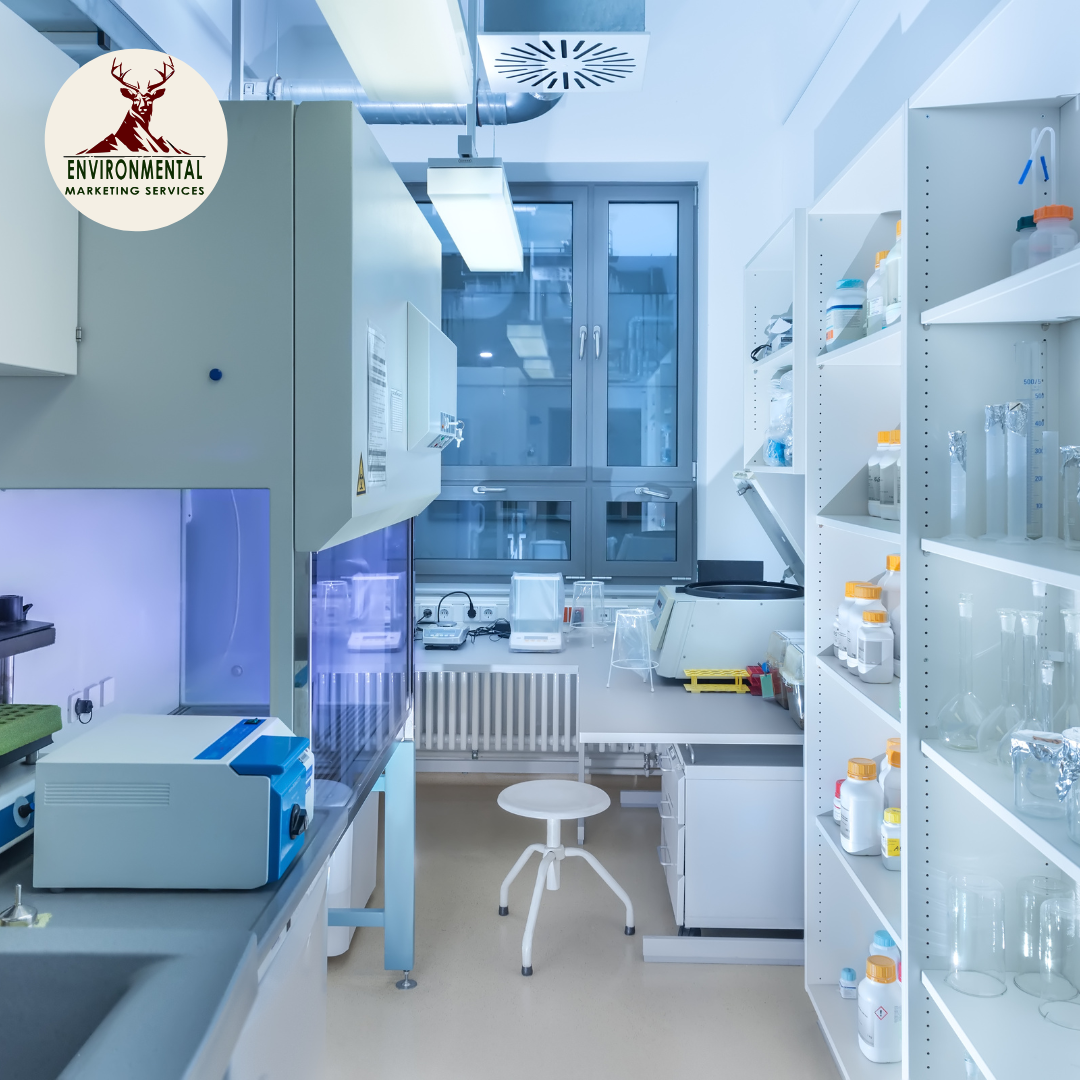
Laboratory waste can include anything from leftover chemicals to broken glassware, and if it is not handled the right way, people can get hurt and the space can become unsafe. This is a concern for many places that use labs every day, such as hospital labs, school science departments, and research facilities. All of them come across chemical waste, biological waste, and other materials that should never be tossed in a regular bin. That is where laboratory waste services come in. These services help remove waste safely and follow the rules that keep our workplaces clean, legal, and healthy.
By using professional help, commercial labs and facilities get more control over how waste is handled and where it ends up. It also means we avoid surprises down the road, like storage problems, chemical reactions, or legal issues connected to breaking disposal laws. Handling hazardous waste services with skill and care starts with knowing what counts as lab waste and how to get rid of it safely.
What Counts as Laboratory Waste
In most commercial labs, there is a mix of waste types being produced. Some of the most common ones include:
• Chemical waste (like unused solvents, acids, or flammable liquids)
• Biological waste (including samples, Petri dishes, or culture materials)
• Sharps (such as needles, broken glassware, and razor blades)
Each one of these comes with risks. A leaking bottle of old acid can burn through materials or release fumes. A misplaced syringe can lead to accidental pokes or infections. If these items are removed without sorting or labeling, the danger only grows. That is why every piece of lab trash has to be sorted ahead of time and clearly marked before it even leaves the building.
Most labs already have a process set up to split containers into chemical, biological, and sharp materials. But if the labels are missing or the containers are mismatched, crews that handle waste removal could run into problems. Correct labeling and preparation go a long way in keeping everyone safe and reducing confusion.
Safety First: How Lab Waste Should Be Handled
When waste is still inside the lab, how it is handled matters. The people working with chemicals or samples should always wear the right protective gear. Gloves, goggles, and lab coats help stop slips, splashes, and skin contact. It is not just about cleanup; staying careful from the first step creates better habits throughout disposal.
Using specially marked containers makes a big difference too. Sharps go into one type of box, while old chemicals or cleaned glassware belong in another. Containers should always be strong enough to hold what is inside and easy to seal when full.
Short-term storage matters as well. Once waste is placed in a labeled container, it should not sit around long. Labs should keep the storage area cool, well-ventilated, and away from regular workspaces. This setup makes pickups smoother when the waste is ready to go.
Why Businesses Should Never Throw Lab Waste in the Trash
It might seem easier to toss out an old sample or cleanup rag with the regular trash, but that choice can come back to cause trouble. Chemical waste can seep through landfill liners or react with other materials. Biological waste might spread germs long after it is thrown away. Sharps can pose a serious risk to anyone handling trash at the next stop down the line.
The systems used for everyday garbage are not built for this kind of job. Trash trucks, landfills, and dumpsters are not designed to deal with chemicals, sharp items, or biohazards. That is why there are specific rules set up by the EPA and other agencies that explain how to transport and treat these materials safely.
This is where trained hazardous waste services fit in. These crews know the correct process from pickup to final disposal. That path includes safety checks, matching materials to the right facilities, and keeping paperwork to show that each step followed the rules.
When to Call in the Pros for Lab Waste Support
Some labs can handle small amounts of waste using basic routines. But it is not hard for things to slip. Some signs that your current setup might need backup include:
• Spills that happen more often than they should
• Staff unsure about which bin is for what waste
• Containers that sit full for too long without a pickup
Those are signals that the system in place needs an upgrade. When labs add more equipment or bring in new kinds of materials, the waste plan might not grow along with it. That is when calling for support is the better choice.
A trained service team does more than show up with a truck. They help build better habits, organize storage spaces, and make sure labels match up with what is being used on site. They know the laws and the best routes to keep waste moving safely to its final stop. More importantly, they help avoid slowdowns or safety risks that could harm workers or the environment.
Expert Lab Waste Management: The Environmental Marketing Services Difference
Since 1998, Environmental Marketing Services has offered fully compliant hazardous, non-hazardous, and universal waste solutions for labs and businesses in nearly every state. Services include lab packing, chemical and biological waste handling, and even transportation using registered, certified haulers who follow current DOT and EPA regulations. The company’s experienced crews provide turnkey support for everything from container supply and labeling to manifest paperwork and safe disposal, so customers can be confident their materials are managed the right way.
Environmental Marketing Services also works with a broad range of generators, handling anything from small lab cleanouts to full-scale bulk chemical disposal projects. These specialized solutions are built for commercial labs of all sizes, with a focus on safety, documentation, and keeping clients in compliance with changing regulations.
Stay Clean, Stay Compliant
Lab waste may not look like much once it is packed in a bin, but how it is handled says a lot about the safety of the workplace. Following each rule and process helps protect staff and keeps labs running without bumps or surprises. Proper sorting, handling, and storage are not only about following rules; they help lower risks for everyone who walks through the lab.
Professional handling of hazardous waste services brings a level of care that is hard to match with DIY routines. The steps taken today, using the right bins, calling in pickups, and keeping spaces neat, protect both people and the environment. By sticking to smart rules and asking for help when needed, labs stay clean, stay safe, and stay on the right side of compliance. Businesses can count on Environmental Marketing Services when they are ready to manage their lab waste the right way.
At Environmental Marketing Services, we take safe lab waste handling seriously, and that includes knowing when to bring in expert help. When routines lead to full bins, mixed-up labels, or storage worries, it may be time to review your setup. We support commercial labs by making sure waste is removed the right way and managed under strict guidelines. Our support includes everything tied to proper disposal, including transportation, labeling, and final processing. To see how we handle all types of hazardous waste services, contact us today.