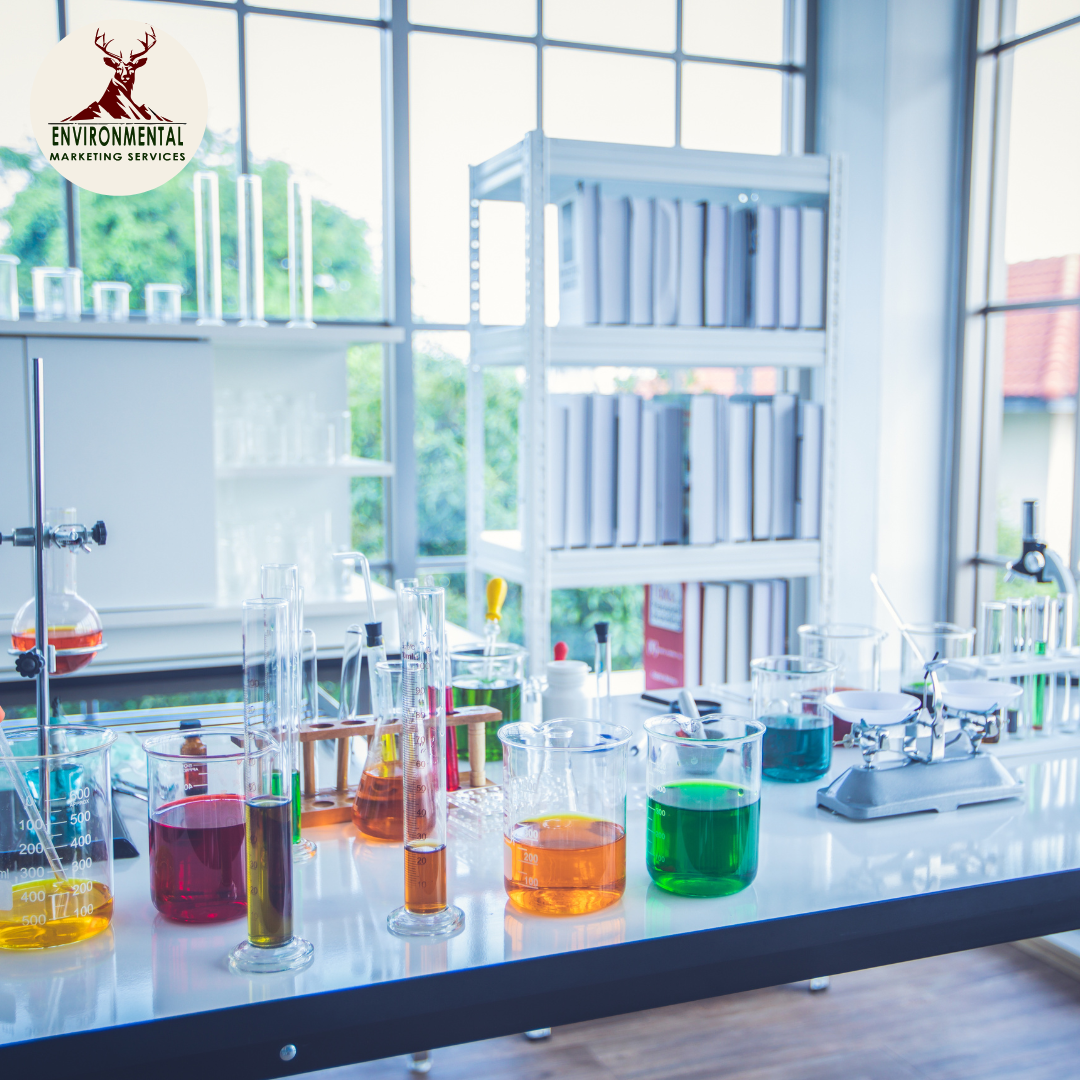
Lab packing plays a crucial role in keeping laboratories safe and compliant with regulations. As laboratories work with various chemicals and sensitive materials, organization and proper handling are paramount. Lab packing ensures that hazardous materials are managed effectively, protecting both the environment and those working within the lab. By carefully sorting and packing these materials, labs can prevent accidents and ensure compliance with strict safety standards.
The process of lab packing involves more than just tidying up. It’s a comprehensive approach to managing potentially dangerous substances, ensuring they are stored, handled, and disposed of correctly. This process helps labs run smoothly and reduces the risk of chemical spills or accidental exposure. Understanding how lab packing works is the first step in creating a safer laboratory environment for all involved.
Understanding Lab Packing
Lab packing is the systematic process of identifying and organizing lab materials, particularly those that are hazardous. It helps in managing risks associated with the storage and disposal of chemicals. By packing these substances correctly, labs can minimize the potential for adverse reactions, contamination, or accidents within the facility.
Various types of materials require careful attention when it comes to lab packing. These include:
– Chemicals like acids, bases, solvents, and reactants
– Biological specimens that could pose biohazard risks
– Any radioactive materials that need special storage guidelines
Each category demands specific packing protocols to ensure safety. For example, chemical waste must be categorized according to its reactive properties, and biological materials often require refrigeration and sterilization before disposal. Proper labeling is also crucial to avoid confusion and ensure that all lab staff can quickly identify the contents and handle them appropriately.
Lab packing is a preventive measure that acts as a shield against potential mishaps. By implementing effective strategies, labs can avoid unwanted chemical reactions or exposure to harmful substances, creating a secure and compliant lab environment.
Steps for Effective Lab Packing
Creating an efficient lab packing system involves several key steps:
1. Identify and categorize hazardous materials
Begin by listing all hazardous materials found in the lab. This includes evaluating their chemical properties, assessing risks, and noting any special requirements for disposal or handling.
2. Choose appropriate containers
Different types of waste call for different container solutions. Corrosive acids require specially lined containers that resist chemical breakdown, while flammable solvents are better suited to designated safety cans. Compatibility between waste and container type is critical.
3. Labeling requirements and best practices
Every container should be clearly labeled with the substance name, hazard class, and handling guidelines. Labels should be legible and water-resistant. The use of color codes, hazard symbols, and standardized wording helps lab personnel quickly identify risks and respond appropriately.
Effective lab packing depends on a methodical approach. An organized system makes it easier to monitor chemical use, eliminate expired stock, and maintain updated inventories. When everyone on the team understands these steps, it increases both safety and accountability within the lab.
Safety Precautions During Lab Packing
Safety should always come first during lab packing. Proper use of Personal Protective Equipment (PPE) plays a central role in shielding staff members from potential hazards. The typical setup includes lab coats, chemical-resistant gloves, safety goggles, and closed-toe shoes. When working with materials known to release vapors or dust, a respirator should be included as well.
Here are some additional safety tips to follow when packing lab materials:
– Understand the chemicals
Review all Material Safety Data Sheets (MSDS) to understand chemical properties and emergency procedures related to specific substances.
– Ensure adequate ventilation
Many chemicals can release fumes, so proper airflow must be maintained. Fume hoods and open windows help reduce the buildup of dangerous gases.
– Prepare for spills and exposure
Know where the spill kits and eye wash stations are located, and ensure all staff are trained in their proper use. Fire extinguishers and emergency shut-off switches should also be visible and accessible.
– Wear proper footwear
Sturdy, closed-toe shoes prevent injuries caused by accidental spills or dropped containers.
– Avoid working alone
Always have at least one additional person present while handling hazardous materials in case an emergency arises.
Taking these precautions not only reduces injury risk but also builds confidence among laboratory personnel. Comprehensive safety practices contribute to greater workplace efficiency in the long-term.
Regulatory Compliance in Lab Packing
Staying compliant with industry regulations is a requirement for all laboratories handling hazardous materials. Federal, state, and local agencies set rules that govern the classification, storage, transport, and disposal of chemical waste. Poor compliance can result in penalties, shutdowns, or environmental violations.
Key areas of compliance include:
– Documentation and record-keeping
Maintain detailed records of all packed materials, including container contents, quantities, and handling procedures followed. These documents allow inspectors and lab managers to verify compliance and maintain transparency.
– Correct labeling and signage standards
All containers must include hazard labels and instructions for proper handling. Storage areas should also have appropriate signage so staff can immediately recognize the type of hazard present.
– Regular staff training
Employees must be updated on new regulatory changes and trained on all safety protocols. Routine training sessions ensure a continual awareness of best practices and reduce the chance of regulatory incidents.
Missteps in regulatory compliance can lead to fines, reputational damage, and legal complications. Keeping procedures documented, labels accurate, and staff informed will help labs stay within safety and legal boundaries.
Building a Laboratory Culture Focused on Safety
Mastering lab packing goes hand-in-hand with maintaining a reliable and secure work environment. Laboratories that treat packing processes as a daily responsibility rather than a seasonal chore benefit greatly in terms of efficiency, morale, and compliance.
From selecting the right containers and applying detailed labels to inspecting PPE before use and confirming that records are current, each element strengthens the overall system. These practices not only minimize risk but also demonstrate responsibility and preparedness.
Environmental Marketing Services specializes in helping labs manage hazardous waste through professional lab packing support. By working with experienced waste management providers, laboratories can access expert guidance, remain compliant with all relevant regulations, and keep their team safe. Investing in proper lab packing practices today protects people, property, and progress tomorrow.
To maintain a safe and efficient lab environment, understanding and implementing proper lab packing procedures is key. If you’re looking for professional guidance, explore our comprehensive hazardous waste services to support the safe handling, storage, and disposal of dangerous materials. Environmental Marketing Services is committed to helping your lab meet safety standards with tailored solutions that prioritize compliance and protection.