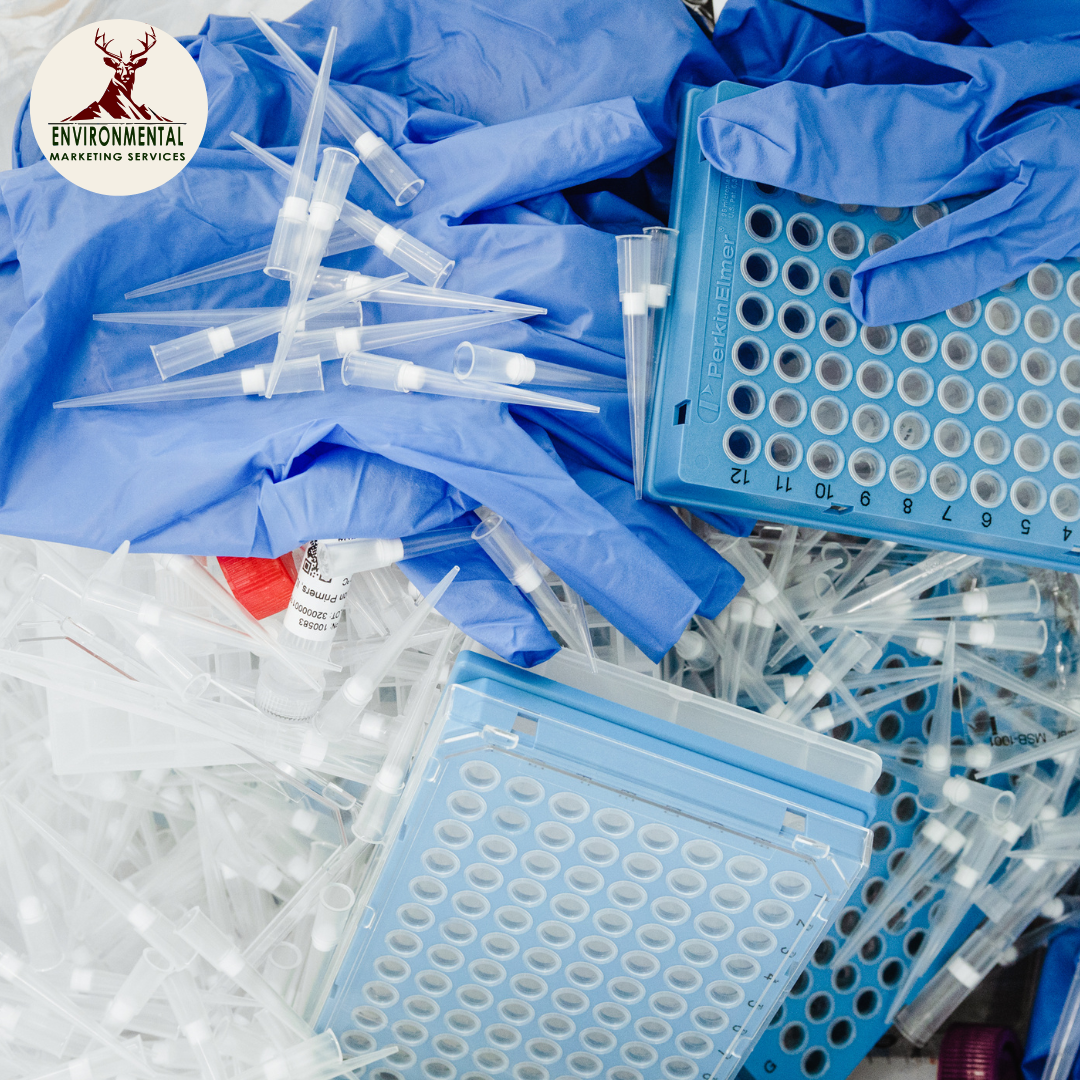
Handling lab waste responsibly is a critical task that impacts not only the environment but also the health and safety of those working with these materials. Lab waste consists of many dangerous substances that require careful consideration and appropriate disposal methods. Understanding the specifics of these waste types and how to manage them plays a key role in maintaining a safe laboratory environment.
Lab waste includes a wide range of materials, from chemical spills and used glassware to outdated equipment and biological samples. Each type poses distinct hazards. Without proper handling, they can lead to accidents or environmental damage. With the correct protocols in place, labs can reduce health risks, meet regulatory requirements, and create a cleaner and safer work environment for all personnel.
Types of Lab Waste
Lab waste is generally divided into four major categories: chemical, biological, radioactive, and general lab waste. Knowing the category of each type of waste is the first step toward proper handling and disposal.
1. Chemical Waste: This includes solvents, reagents, acids, bases, and cleaning agents. Many of these substances are toxic, corrosive, flammable, or reactive. Improper disposal of chemical waste can cause chemical reactions, fires, or health issues upon exposure.
2. Biological Waste: Includes cultures, clinical specimens, tissues, and bodily fluids. These materials may be infectious and can spread contaminants if not managed properly. They require methods such as sterilization or incineration to ensure safety.
3. Radioactive Waste: Comprising materials that emit ionizing radiation, this waste may include contaminated glassware, lab equipment, and isotope solutions. Radioactive waste presents long-term exposure risks and requires specialized storage and disposal strategies.
General Lab Waste: Though less dangerous, general lab waste such as paper towels, packaging, broken glassware, and plastics still needs to be disposed of properly. Improper sorting could cause contamination or reduce recycling effectiveness.
Understanding the differences among these types of waste allows labs to adopt specific handling procedures and prevent hazardous mix-ups. It also supports clearer training for lab personnel responsible for day-to-day operations.
Safe Handling and Disposal Practices
Keeping a laboratory safe begins with protecting staff and the environment through consistent adherence to safe disposal practices. For any type of lab waste, the first step is ensuring all employees are trained to recognize hazards and follow waste management protocols.
Chemical waste disposal starts with clear labeling, secondary containment, and waste segregation by chemical class. Handling may involve neutralization or stabilization processes before disposal. Containers used must be compatible with the chemical properties of the waste.
Biological waste demands sterilization protocols, with autoclaving being the common choice to eliminate biohazards. Some materials may also require incineration. It’s critical that such waste is stored in clearly marked, leak-proof containers lined with appropriate biohazard bags.
Radioactive waste involves even stricter control. It often needs temporary on-site storage in shielded containers until it can be transferred by licensed professionals to radiation-authorized disposal facilities. Careful monitoring, labeling, and recordkeeping are essential at every step.
General lab waste, though not typically regulated in the same way, must still be sorted and disposed of according to recycling and lab-specific protocols to avoid safety risks and maintain operational efficiency. Broken glass, for instance, must be collected in designated puncture-resistant bins.
Accurate labeling and segregating of waste are two simple steps that make a significant difference. Clear labeling eliminates uncertainty during disposal while proper segregation ensures each type of waste receives the treatment it requires. These actions directly support a safer, better-organized lab environment.
Regulatory Compliance
Laboratories are subject to various regulations designed to protect personnel and reduce environmental risks. Following these rules goes beyond checking boxes. It creates frameworks that promote better lab management, accountability, and transparency.
The Environmental Protection Agency (EPA) and the Occupational Safety and Health Administration (OSHA) enforce many of the standards that laboratories must follow. These include labeling requirements, waste tracking, storage procedures, and safe treatment or transport of hazardous materials.
Compliance begins within the lab and extends through documentation and reporting practices. Labs must maintain material safety data sheets (MSDS), training materials, waste disposal logs, and inspection records. In addition, conducting regular internal audits helps ensure standards are being met.
It’s equally important that all lab staff receive periodic training on compliance. Rules concerning hazardous waste are updated over time, and staying informed prevents unintentional violations. Being proactive results in fewer disruptions, improved workplace safety, and stronger environmental stewardship.
Investing in compliance efforts also strengthens a lab’s credibility and public trust. Violations can come with significant penalties, but beyond financial cost, lapses can compromise worker health and damage organizational standing.
How Environmental Marketing Services Can Help
Lab waste disposal is a delicate and often technical process. Environmental Marketing Services delivers professional support for a wide range of hazardous waste management needs, including those specific to chemical, biological, and radioactive materials.
Their team brings deep understanding of EPA, OSHA, and state-level requirements. By working directly with clients, they create strategies that align with both compliance demands and operational goals. The result is safer disposal and reduced risk of mistakes that could harm personnel or the environment.
Whether you’re running a small medical lab or a large research facility, Environmental Marketing Services offers tailored waste collection, labeling systems, transportation, documentation support, and staff training assistance. Their solutions simplify lab waste management and ease the burden of regulatory complexity.
Partnering with experienced professionals means decisions are based on up-to-date guidance and real-world experience. This keeps your lab protected, sustainable, and efficient. With Environmental Marketing Services, labs are equipped to manage even the most challenging waste issues with confidence and care.
Building a Safer and Greener Lab Environment
Lab operations are constantly changing, with advances in technology and shifts in regulations. Managing lab waste effectively is not a one-time task but an ongoing commitment. As environmental concerns increase, labs are expected to implement greener practices and stay ahead of industry trends.
Sustainable improvements might involve reducing waste at the source, investing in smart inventory controls, or switching to non-toxic alternatives where available. These steps not only help labs remain compliant but also demonstrate environmental responsibility that benefits the broader community.
Maintaining a culture of safety, compliance, and awareness leads to smoother operations and stronger performance across all lab activities. Beyond meeting regulatory expectations, responsible waste management supports long-term success and ethical practice.
By recognizing the value of specialized support and staying proactive, labs have the opportunity to make meaningful impacts. Working with trusted professionals like Environmental Marketing Services keeps your lab ahead of challenges and dedicated to the highest standards of safety and care.
By implementing thoughtful strategies for managing lab waste, you contribute to environmental sustainability and safety. If you’re seeking comprehensive solutions, discover how Environmental Marketing Services offers specialized hazardous waste services tailored to meet your lab’s specific needs. Ensure your lab complies with regulations while maintaining a safe environment for all.