Laboratories play a significant role in advancing science and technology, but they also generate a variety of waste that requires careful management. Proper laboratory waste services are necessary to ensure the safety of both workers and the environment. When you consider the types of waste found in a lab, from chemicals to biological materials, it’s clear why effective waste management is so important. Handling these materials responsibly not only protects those who work in these environments but also helps maintain public health and safety.
Managing laboratory waste is more than an operational task. It fosters a culture focused on safety and environmental responsibility. Laboratories must follow specific regulations and standards for waste disposal to reduce potential health risks and environmental damage. The responsibility doesn’t end with disposal. It involves building processes to manage waste consistently, promote accountability, and help labs remain compliant with evolving requirements.
Types of Laboratory Waste
In a laboratory setting, waste comes in various forms, each requiring its own handling and disposal method. Knowing how to manage each type of waste matters for both safety and compliance. Here are the main categories of lab waste and how they should be addressed.
1. Chemical Waste
This category includes acids, solvents, and reactive substances that can pose health or fire hazards. These materials must be stored in compatible containers and kept away from heat and incompatible substances. Labels should always be clear and specific to avoid dangerous mix-ups. Disposal of chemical waste must follow local, state, and federal regulations to avoid chemical spills or reactions.
2. Biological Waste
Biological or biohazard waste includes materials like blood samples, cultures, or anything contaminated with potentially infectious agents. These materials need to be sterilized, often through autoclaving, before disposal. Disposal containers must be leak-proof and labeled with biohazard symbols. Staff handling biohazard materials should be trained in contamination control practices.
3. Radioactive Waste
Radioactive waste typically comes from research processes involving isotopes or laboratory instruments that emit radiation. These materials must be stored in shielded, sealable containers to prevent exposure. Disposal requirements depend on the radioisotope used and must be carried out according to strict federal guidelines. Records need to be maintained on usage and disposal timelines.
General Waste
Though not hazardous, general waste still needs attention. This includes paper products, food waste, and other non-contaminated items. These materials can be recyclable or disposed of through regular sanitation services. Keeping this waste separate from hazardous types prevents contamination and minimizes disposal costs.
Proper identification and separation of these waste types form the foundation of an effective laboratory waste management plan. Misclassification can cause safety issues or lead to regulatory fines.
Best Practices for Managing Laboratory Waste
Good waste management practices help laboratories create safe environments and remain fully compliant. A consistent, well-structured system is more effective than reactive solutions. Below are four key practices that labs should implement.
1. Segregation Protocols
Effective waste management begins with segregation. This means assigning specific, clearly marked containers for each waste type and placing them in convenient locations. Color-coded bins, pictograms, and training signage can increase proper usage. Labs must ensure that staff do not mix waste types, which can turn non-hazardous waste into regulated hazardous material.
2. Proper Labeling and Storage
Every waste container must be labeled clearly with the type and content, including hazard indications if necessary. Proper labeling helps during audits, inspections, and disposal. Storage areas should be secure and allow for ventilation if necessary, especially for chemical or radioactive materials. Keep waste organized by date to follow first-in, first-out procedures where applicable.
3. Staff Training
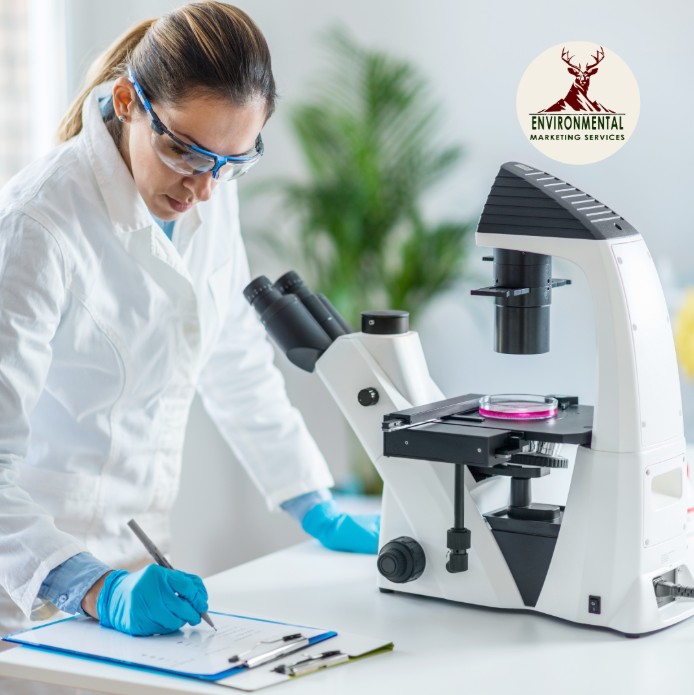
Lab personnel must be trained to understand the types of waste they generate, the protocols for each, and how to respond to accidents. Training should be part of onboarding and updated regularly to ensure team members are aware of any procedural or regulatory changes. A well-trained team helps avoid cross-contamination, environmental hazards, and non-compliance.
4. Routine Audits and Inspections
Periodic inspections allow managers to identify gaps in current waste protocols. During audits, examine labeling accuracy, storage conditions, and regulatory documentation. Addressing discrepancies early helps avoid penalties and maintains safety standards. Documentation of audits also reinforces accountability across the lab.
Sticking to these practices strengthens the lab’s defense against safety hazards and regulatory violations. Clear procedures lead to smoother operations and less disruption over time.
Environmental and Regulatory Compliance
Compliance with environmental and safety regulations is a central element of any lab’s waste disposal system. These rules are in place to ensure that hazardous materials are handled and discarded in ways that prevent harm to people, property, and the environment.
Labs must follow federal guidelines along with any state-specific protocols related to chemical, biological, or radioactive waste. Some rules focus on how waste is labeled or stored. Others specify treatment methods or place limits on how long waste can be held on site. Staying current with regulations requires ongoing education and sometimes consultation with experts in the field.
Environmental Marketing Services assists laboratories in maintaining compliance by offering professional guidance and customized waste management programs. We help labs meet all documentation requirements, reducing the risk of overlooked reporting or procedural errors. Well-maintained logs of waste generation, classification, movement, and disposal are typically required during audits. Our experienced team supports clients in gathering and organizing these critical documents.
Compliance is more than meeting a set of rules. It reflects a laboratory’s commitment to safety and responsible practices. Labs that stay compliant improve their public image while avoiding potential legal issues and maintaining operational integrity.
Choosing the Right Waste Management Partner
Partnering with a qualified waste management service provider can make a major difference in how a laboratory handles its waste. Given the complexity involved, it’s smartest to work with professionals who understand the specific needs of your lab and provide comprehensive support.
Here are a few key qualities to look for in a dependable waste management partner:
1. Expertise in Laboratory Waste Handling
Your service partner should have specific experience managing chemical, biological, and radioactive lab waste. Ask about their familiarity with relevant regulations and their team’s qualifications.
2. Complete Range of Services
Look for providers offering start-to-finish services, including site assessments, training, transportation, documentation, and final disposal. Comprehensive support reduces handoffs and limits liability.
3. Regulatory Compliance Assurance
Verify that the provider adheres to regional and federal standards at every step. They should maintain all required certifications and a record of compliance.
4. Focus on Sustainability
Providers that prioritize green practices add long-term value. This could include recycling programs, energy-efficient processes, or strategies to reduce how much hazardous waste is generated in the first place.
Outsourcing waste services removes a complex and often risky part of lab operations. A reliable partner helps with day-to-day needs while offering strategic insight into safer and more sustainable practices.
Raising the Bar for Lab Safety and Sustainability
Ongoing attention to laboratory waste management keeps labs safe, efficient, and ready to meet their responsibilities. Regulations shift over time, and lab teams must grow and adapt along with them. A supportive team, structured procedures, and the right service partnership help labs stay ahead.
Environmental Marketing Services works closely with labs to identify areas for improvement and put best practices into action. With a customized and compliant waste management plan, laboratories can safely handle whatever waste they generate and focus fully on their core mission: advancing knowledge and protecting people and the planet.
To enhance your laboratory’s waste management practices, explore our comprehensive hazardous waste services. Environmental Marketing Services offers tailored solutions that support safety, compliance, and long-term sustainability. Contact us today to learn how we can help maintain a secure and efficient environment for your lab operations.