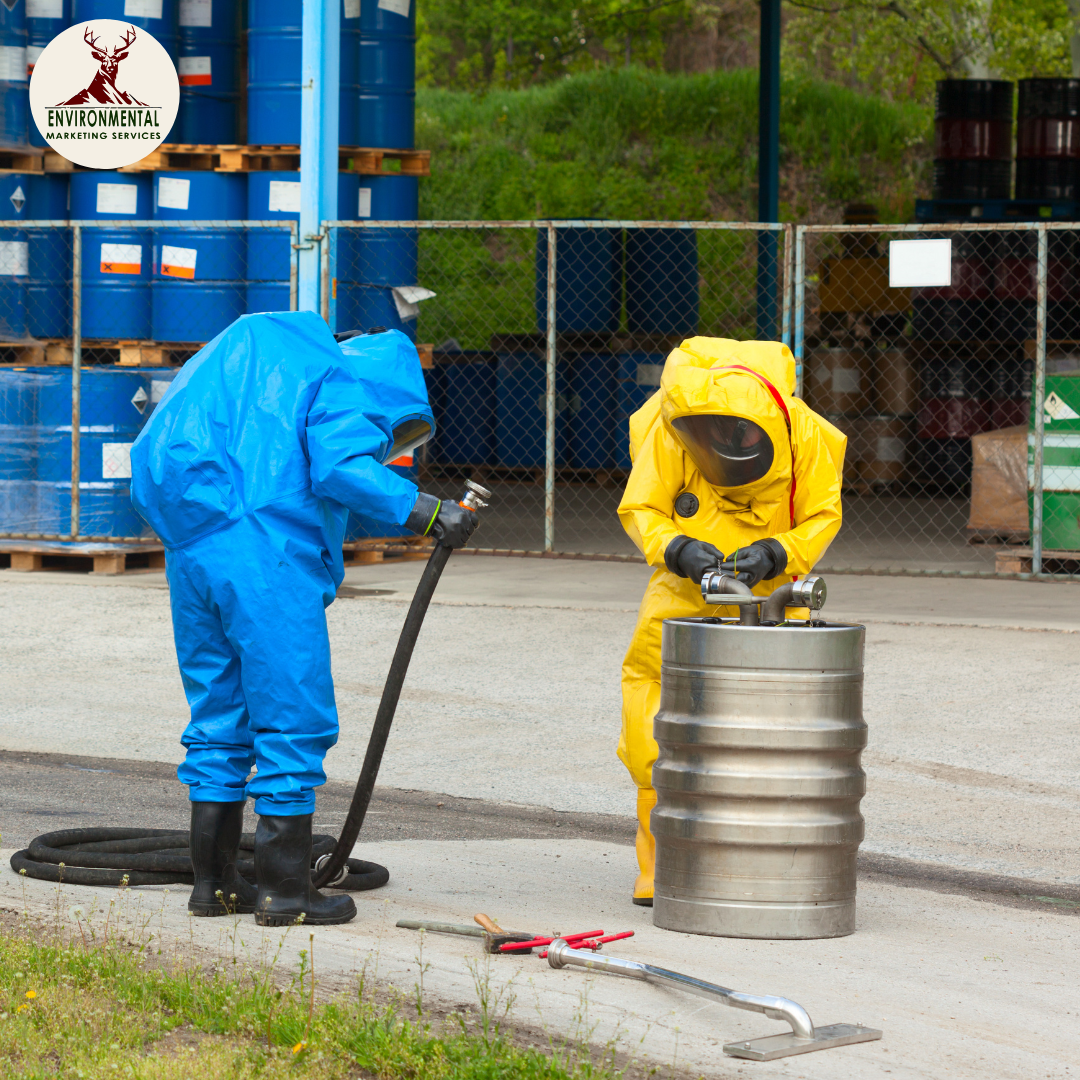
Handling hazmat waste is a significant responsibility for many businesses and organizations. Hazmat, short for hazardous materials, includes everything from chemical solvents and paints to batteries and medical waste. Proper disposal of these materials is necessary not only for regulatory compliance but also for protecting public health and the environment. Understanding how to manage this waste can help prevent serious safety and environmental issues.
Businesses that generate hazmat waste must follow strict guidelines when disposing of it. These regulations exist to reduce the chances of leaks, spills, and contamination. By keeping hazardous waste out of soil and water systems, companies help maintain cleaner and safer communities. Effective waste disposal is also a sign of a company’s commitment to responsible operations, which can strengthen business reputation and internal safety culture.
Types of Hazmat Waste
Hazmat waste can be broken down into several major categories. Each type has specific properties and handling requirements. Identifying the category of waste is the first step in determining how it should be managed.
1. Flammable: These materials can catch fire easily under normal working conditions. Examples include gasoline, aerosol sprays, alcohol-based solutions, and common cleaning solvents.
2. Corrosive: These substances can damage or destroy other materials through chemical reactions. Hydrochloric acid, battery acid, and sodium hydroxide are common corrosives found in industrial and laboratory environments.
3. Toxic: Toxic materials are harmful if inhaled, ingested, or absorbed through the skin. Pesticides, some cleaning compounds, lead-based materials, and expired pharmaceuticals fall into this group.
4. Reactive: These materials can cause explosions or release toxic gases when mixed with other chemicals or exposed to certain conditions. Examples include peroxides, cyanides, and ammonium nitrate.
Proper identification and classification of hazardous waste ensures each type is safely stored and transported. It helps prevent incidents like chemical reactions, equipment damage, or exposure that could threaten human health.
The Process of Hazmat Waste Disposal
Hazmat waste disposal involves multiple phases to safely manage hazardous materials from the point of generation to final disposal. This process ensures risks are minimized and compliance standards are met.
The first phase is collection. Waste is gathered from production areas, laboratories, or facilities and brought to appropriate storage spots. During this phase, it is important to group waste by type to avoid mixing incompatible materials. For example, flammable liquids should never be stored alongside reactive substances.
Segregation is followed by packaging. Each type of waste needs specific containers made of materials that can resist corrosion or leaks. Containers must be sealed and listed with clear labels describing the type of waste inside, hazard symbols, and key handling requirements. This identification makes it safer for anyone interacting with the materials and supports correct downstream processing.
Before final disposal, the waste must be transported to a licensed treatment or disposal facility. During transport, companies follow federal and state regulations, using licensed carriers and providing full documentation. The disposal method itself can vary. It may include incineration, chemical neutralization, or specialized recycling processes.
Recordkeeping throughout the entire process is another requirement. Companies need to document the amount, type, and handling of hazardous waste from generation to disposal. These records are critical not only for audits but for accountability and risk analysis.
Regulations and Compliance
Hazmat waste disposal must follow several local, state, and federal regulations. These rules are primarily enforced by the Environmental Protection Agency (EPA), which provides detailed programs for waste classification, storage, transportation, and disposal.
The EPA outlines best practices through guidelines, such as the Resource Conservation and Recovery Act (RCRA). These guidelines define how hazardous waste should be managed at each stage of its lifecycle. Companies are required to train personnel, provide written plans, and prepare emergency response procedures.
Businesses must remain informed about regulation changes that may affect how different types of waste should be handled. Staying compliant not only protects employees but also shields companies from legal penalties and environmental hazards.
Beyond federal oversight, some states may have stricter rules or additional requirements. It is important to align internal policies with both federal and state guidelines. Regular training and audits can help businesses keep processes aligned with regulations and reduce the possibility of costly errors.
Choosing Professional Services for Safety
Hiring professionals to manage hazmat waste brings many benefits. These specialists are trained in safe handling and disposal practices and stay current with regulations. This allows businesses to offload the technical burden and reduce risk without sacrificing compliance.
One of the primary advantages is safety. Professional services implement procedures that reduce the chance of exposure, accidents, or environmental harm. They use certified containers, apply correct labeling, and ensure materials are segregated and transported responsibly.
Another benefit is time savings. Trained professionals efficiently manage collection, documentation, packaging, and shipment, saving internal teams from navigating regulatory paperwork and procedures. Businesses also avoid the risk of noncompliance, as professionals are more likely to catch and correct issues before they escalate.
Professional services often include access to up-to-date disposal technologies that improve sustainability outcomes. For example, some chemical waste can be treated or recycled in ways that limit environmental impact and reduce long-term liability.
Ultimately, working with certified professionals can improve transparency, reliability, and peace of mind. Companies can continue focusing on their core operations—confident that hazardous waste is being managed according to all legal, safety, and environmental requirements.
Why Environmental Marketing Services is the Right Partner
With decades of experience in compliant waste disposal, Environmental Marketing Services serves as a trusted partner for companies dealing with hazardous waste. Our team brings full knowledge of EPA regulations and rigorous training protocols to deliver dependable, thorough service at every stage of waste management.
We understand the kinds of challenges businesses face when dealing with regulated waste. That is why we provide full-service solutions that begin with accurate classification and continue through packaging, transportation, and disposal. Businesses looking to meet rigorous safety standards and safeguard their team, their community, and the environment will find value in our approach.
Partnering with Environmental Marketing Services means gaining a reliable team focused on maintaining compliance and reducing risk while handling your hazmat waste professionally. We are ready to help you meet your goals with safety and precision.
Ensuring the safe disposal of hazmat waste is a significant responsibility, and partnering with professionals can make all the difference. If you’re looking to improve your company’s waste management practices, consider exploring our range of services for hazardous waste. At Environmental Marketing Services, we’re dedicated to providing compliant and reliable solutions that protect both the environment and your business operations.