Every community faces the pressing issue of managing hazardous waste, and Daytona Beach, FL, is no exception. The significance of this topic cannot be overstated, as hazardous waste can pose serious risks to both the environment and human health. From households to large businesses, everyone generates some form of hazardous waste. If not addressed properly, such materials can lead to contamination of soil and water, harm wildlife, and affect public health. This makes responsible disposal important for both individual and community well-being.
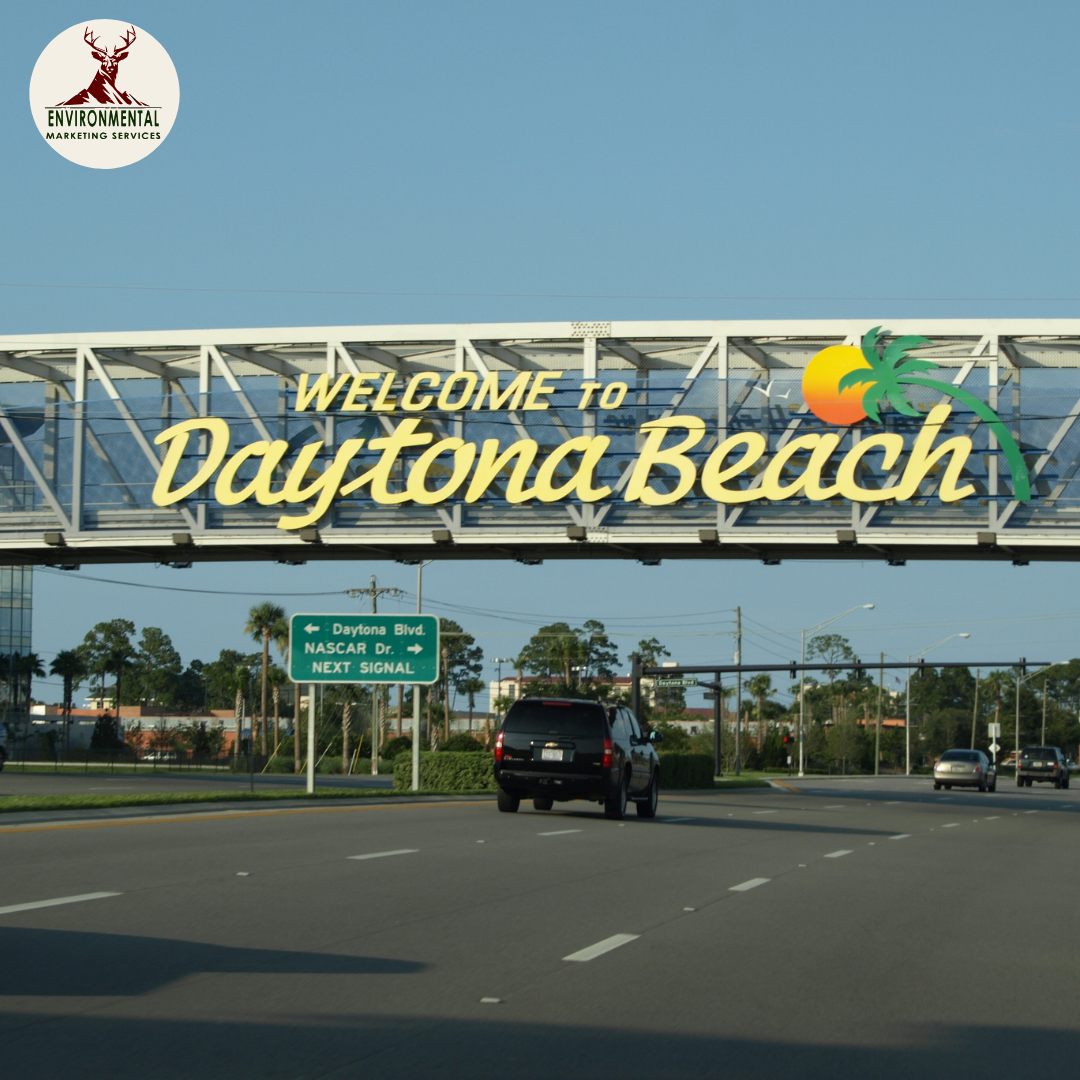
In Daytona Beach, the responsibility to protect the environment is shared by all. With its natural beauty and unique coastal features, keeping Daytona Beach clean and safe is a community priority. Proper disposal supports ecosystem health and ensures the area’s natural resources can be enjoyed for generations to come. Understanding what hazardous waste is and how to dispose of it correctly is the first step in doing your part.
Understanding Hazardous Waste
Hazardous waste comes in a variety of forms. In general, it includes materials that are corrosive, toxic, reactive, or flammable. These properties make such waste dangerous if it is not handled with care. Items like batteries, oil-based paints, pesticides, and some cleaning products are common examples found in households. Businesses may deal with larger volumes, including solvents, acids, and industrial equipment or electronic components.
Improper disposal of these items can lead to serious problems. Hazardous substances can leak into the ground, entering the water supply and spreading pollution. This can threaten the health of people and animals and also harm plant life. Recognizing hazardous waste and being conscious of how it is stored and discarded are key to avoiding these outcomes.
Throwing these types of waste into household garbage or pouring them down the drain can have lasting negative effects on the environment. It can also raise safety concerns, such as causing fires or chemical reactions in landfills and drains. Understanding both the types and traits of hazardous waste allows people and businesses to act responsibly.
Local Regulations and Compliance
In Daytona Beach, there are specific rules in place to guide the disposal of hazardous waste. These local and state regulations aim to protect residents and preserve the environment. Everyone generating waste—from individuals to large organizations—is required to follow the law when it comes to discarding materials classified as hazardous.
Compliance with these regulations involves more than just knowing what to throw away and where. It includes storing waste properly, using approved disposal and drop-off services, and keeping documentation when necessary. Those who fail to follow the rules may face fines or other penalties. More importantly, improper disposal can contribute to pollution and public exposure to hazardous materials.
For businesses, regulatory compliance is especially important. Larger quantities of hazardous materials may require specific handling and must meet certain safety standards before transport and final disposal. Staying informed about Daytona Beach’s disposal requirements helps everyone avoid issues and ensures the entire community benefits from a cleaner, safer environment.
Steps for Proper Hazardous Waste Disposal
Effective hazardous waste disposal starts with individual and organizational awareness. Whether at home or in a business setting, there are clear steps to follow in managing waste safely:
1. Identify and Separate: Determine which items qualify as hazardous waste and keep them distinct from normal garbage or recyclable items.
2. Proper Storage: Store hazardous waste in secure, labeled containers. Make sure the storage space is dry, cool, and away from children or pets.
3. Use Certified Services: Only use certified hazardous waste disposal providers who are authorized to process and remove dangerous materials.
4. Follow Legal Guidelines: Learn about local restrictions, facility hours, drop-off events, and transportation regulations before making arrangements for disposal.
5. Educate and Train: If you’re a business owner or manager, provide your team with training on proper handling, storage, and disposal practices to ensure workplace safety.
By following these steps, individuals and businesses reduce their risk of accidents, protect the environment, and align with legal responsibilities. Using professional services for hazardous waste helps ensure every part of the process is handled correctly.
Benefits of Professional Hazardous Waste Disposal Services
Working with professional hazardous waste disposal services offers many advantages. First and foremost, these specialists are trained to recognize, handle, and transport hazardous materials safely. They use proper containers, protective gear, and follow established procedures to minimize the risks of exposure, spills, or contamination.
Professionals reduce the likelihood of environmental damage. Their work helps prevent dangerous chemicals from entering local water supplies or harming wildlife. This keeps air, water, and soil cleaner for the community. With their help, potential mishaps—such as accidental fires, spills, or illegal dumping—can be avoided altogether.
Another benefit is their familiarity with local laws. Certified professionals understand Daytona Beach’s waste regulations, helping ensure you or your business remains fully compliant. This avoids penalties and enhances your commitment to safe, legal disposal practices.
Professional disposal services may also offer guidance on setting up a safe storage system or conduct audits to improve existing processes, especially for businesses that generate hazardous waste regularly. Their insight and support can enhance your company’s safety and environmental reputation.
Doing Your Part for a Safer Daytona Beach
Making Daytona Beach cleaner and safer is a community-wide effort. Responsible hazardous waste disposal is a key part of maintaining a healthy environment and protecting the well-being of residents and visitors alike. From the beaches and parks to the neighborhoods and businesses, everyone benefits when hazardous materials are managed responsibly.
Taking simple actions like storing hazardous items correctly, avoiding unsafe disposal, and working with certified services makes a lasting positive impact. Each of these steps helps protect water quality, reduce air pollutants, and preserve local wildlife habitats.
Whether you’re a homeowner cleaning out old supplies or a business managing larger volumes of waste, your actions influence the overall health and safety of the entire region. By staying informed and turning to professionals when necessary, everyone contributes to a better future for Daytona Beach. The collective effort of a community working toward cleaner practices ensures the area remains a beautiful place to live, work, and visit.
With shared responsibility and the right support, Daytona Beach can continue to thrive as a safe and environmentally conscious community. By choosing Environmental Marketing Services for your services for hazardous waste, you are prioritizing safe disposal practices that help safeguard both your property and the surrounding environment.
Our trained professionals handle waste responsibly and in compliance with all regulations. Reach out today to learn how we can assist with your hazardous waste disposal needs in Daytona Beach.