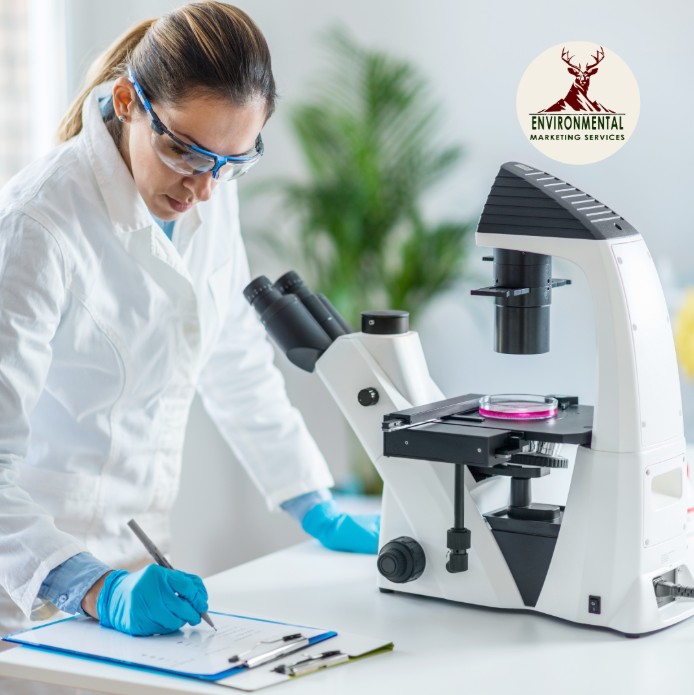
Hazardous waste characterization in a lab is simply knowing exactly what your waste is before you decide where it should go. When you classify waste correctly, keep incompatible chemicals apart, and back everything up with clear records, you set your lab up for safer, smoother hazardous waste disposal. That protects your people, your property, and your reputation.
In healthcare, pharma, academic, and industrial labs, even a small labeling mistake or unknown bottle can lead to big problems. In this article, we walk through how to look at what you have, sort it the right way, document it, and then match it with the right disposal path, based on what we see every day at Environmental Marketing Services.
Reduce Risk and Costs with Proper Lab Waste Characterization
Hazardous waste characterization is the process of deciding whether a lab waste is hazardous, what type of hazard it has, and how it should be handled and shipped. It is the base layer of compliant hazardous waste disposal. If this step is weak, everything that comes after it, from storage to transport, is at higher risk.
Good characterization helps your lab:
- Stay aligned with regulations and avoid enforcement
- Reduce chances of fires, releases, or injuries
- Limit long-term liability from mismanaged chemicals
It also supports cost control. When you classify and segregate waste correctly, you can:
- Keep non-hazardous waste out of hazardous streams
- Prevent incompatible mixtures that trigger emergency response
- Avoid denied or reworked shipments at disposal facilities
Spring can be a smart time to review your approach. New budgets, new projects, and staff changes in research and academic labs often mean new chemicals and new waste streams. A focused review of how you characterize waste can reset good habits for the rest of the year.
Understanding Regulatory Definitions Before You Start
Before anyone starts tagging bottles, it helps to know how hazardous waste is defined. Under federal rules, you first look at whether a material is a solid waste, then decide if it is a hazardous waste.
A waste can be hazardous because it is on a list or because it has certain properties:
- Listed wastes: F, K, P, and U lists
- Characteristic wastes: ignitable, corrosive, reactive, or toxic
Common lab examples include:
- Spent solvents from cleaning or extractions
- Unused or off-spec reagents and standards
- Corrosive acids and bases
- Heavy metal solutions, such as those with lead or chromium
- Universal wastes such as many lamps and batteries
Your generator category also matters. Very Small Quantity Generators, Small Quantity Generators, and Large Quantity Generators have different rules for documentation, accumulation time, and inspection. Larger generators usually face higher expectations for formal waste characterization and records.
If you work across more than one state, you may see extra requirements or different thresholds. Many multi-site labs set standard internal procedures, then check state rules before finalizing hazardous waste disposal decisions for each location.
Step-by-Step Approach to Classifying Lab Wastes
A simple, repeatable workflow makes waste classification easier for everyone in the lab. Start with process knowledge. Ask basic questions: What process made this waste? What went into it? Was it used once or many times? A short note in a log or on a form at the time of generation can save a lot of guesswork later. Then review Safety Data Sheets.
SDSs can help you see if a chemical or mixture is:
- Ignitable, based on flash point
- Highly acidic or basic, based on pH range
- Reactive or unstable
- Toxic, such as containing certain metals or organics
Next, follow a simple decision path:
- Is it a single, known chemical with an SDS?
- Is it a listed waste from a known process?
- Does it meet any hazardous characteristics?
- If not, is it clearly universal waste or non-hazardous?
If you still are not sure, analytical testing may be needed. This is common for mixed or aged waste where the original contents are not clear.
For unknowns and mixtures:
- Do not combine them just to “get them out of the way”
- Separate them by broad category such as acids, bases, solvents, solids
- Flag them for professional assessment and lab packing
Standard templates and checklists help a lot here. When each lab or department uses the same form to record how they reached a classification, results are more consistent across your organization.
Ensuring Chemical Compatibility and Safe Segregation
Characterization tells you what a waste is. Compatibility control keeps those wastes from reacting with each other. Even if everything is labeled correctly, poor segregation can still lead to dangerous situations.
Some basic rules many labs follow:
- Keep acids and bases in separate secondary containment
- Store oxidizers away from flammables and organics
- Separate halogenated from non-halogenated solvents
- Keep sharps and biohazardous materials out of chemical waste containers
- Store gas cylinders secured and in their own controlled area
Incompatible mixes can create heat, gas, or pressure, or destroy containers. For example, acids with cyanides or sulfides can release toxic gases, and strong oxidizers with organic solvents can lead to fire risks.
Spring is often a good time for a deeper lab clean-out:
- Check shelves and cabinets for aging or damaged containers
- Confirm labels are legible and complete
- Consolidate only clearly compatible wastes under proper guidance
- Correct storage issues noted during internal inspections
Strong compatibility control not only protects lab staff, it also protects transporters and disposal facility workers, and it helps keep your shipments moving without delays or repackaging.
Documentation That Streamlines Hazardous Waste Disposal
Once you classify and segregate your waste, you need documentation that tells the full story. Good records link your internal work to shipping and disposal.
Core elements include:
- Clear container labels with contents and hazards
- Accumulation start dates where required
- Waste profiles that describe each stream
- Inventory logs tied back to your characterization steps
Accurate descriptions help your disposal partner choose the right treatment:
- Chemical names or reasonable groupings
- Concentration ranges, not just “trace”
- Physical state, such as liquid, solid, sludge
- pH ranges for corrosives
- Presence of metals, halogens, or other key components
This information supports proper DOT shipping descriptions, manifests, and land disposal restriction forms. When paperwork is clear and matches the actual waste, inspections and facility approvals usually go more smoothly.
Many labs now build digital record systems or use existing EHS platforms. Keeping profiles, analytical data, and shipment histories in one place supports audits, internal reviews, and planning for future waste volumes.
Choosing the Right Disposal Path and Partner
All of this groundwork leads to one goal: picking the right disposal path for each waste stream. Depending on the waste, options can include fuel blending, incineration, neutralization, treatment, and stabilization, recycling, or specific universal waste programs.
A qualified hazardous waste disposal provider reviews your profiles and supporting data to match each stream with a compliant and efficient option. Proper characterization can open more treatment and recycling routes, while poor data can limit your choices.
For labs with multiple locations, nationwide transportation and disposal can offer:
- Consistent service and procedures across sites
- Coordinated lab pack projects
- Simplified tracking and reporting
When you plan lab clean-outs, new research lines, or seasonal inventory changes, bringing in your disposal partner early helps with packaging choices, labeling, and scheduling so your hazardous waste disposal program runs more smoothly from start to finish.
By building a solid characterization process, managing compatibility, and keeping strong documentation, your lab can turn hazardous waste disposal from a constant headache into a controlled, predictable part of operations.
Protect Your Facility And Stay Compliant Today
If you are ready to address your waste challenges safely and efficiently, we are here to help you take the next step. Our team at Environmental Marketing Services provides compliant hazardous waste disposal solutions tailored to your operations and regulatory requirements. Reach out so we can review your current processes, identify risks, and create a practical plan that fits your schedule and budget. To start the conversation, simply contact us and we will follow up promptly.