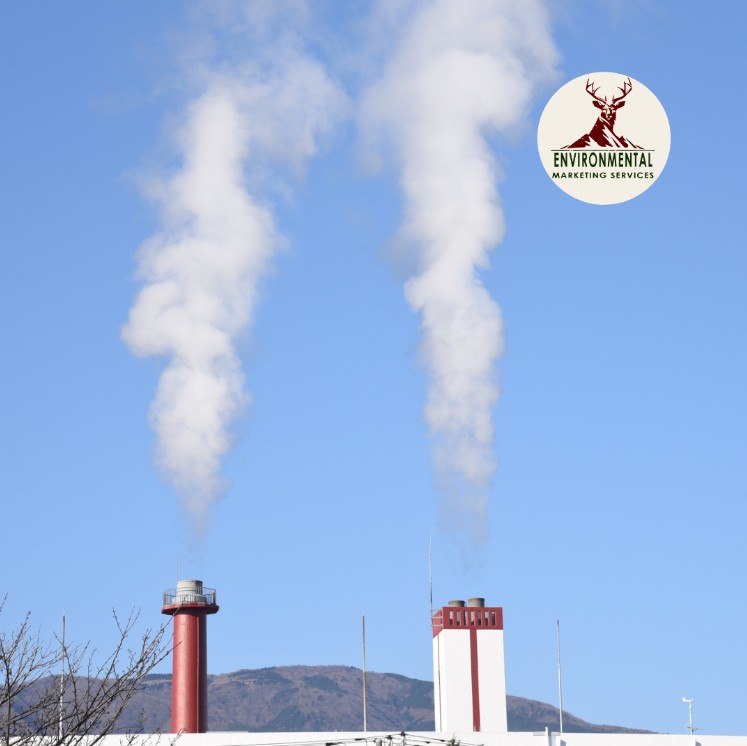
Cleaner Air From Hazardous Waste Incineration
Hazardous waste incineration is a controlled way to burn dangerous waste at very high temperatures so it can be safely destroyed. Commercial and institutional facilities use it to reduce volume, destroy toxic organic compounds, and in some cases support energy recovery. When handled correctly, it turns complex waste streams into stable ash, treated gases, and manageable residues.
People often worry about smoke, odors, and health impacts from stacks. That concern is understandable, especially in areas where air can feel heavy and trapped during temperature inversions or early spring weather shifts. The good news is that modern hazardous waste incineration units are highly engineered systems with multiple layers of emission control and strict oversight.
In this article, we walk through how scrubbers, filters, monitoring systems, and regulations work together to keep emissions in check. We also explain how careful waste handling upstream, by teams like ours at Environmental Marketing Services, supports cleaner air and better compliance for businesses across the country.
How Modern Hazardous Waste Incinerators Work
A safe incineration process starts long before any waste reaches the burner. First, there is waste acceptance and profiling. Each waste stream is characterized so operators know its chemical makeup and how it will behave under heat. That information guides how material is handled, stored, and fed into the unit.
The basic process usually includes:
- Controlled feeding systems that meter waste into the combustion chamber
- High-temperature burners that keep steady heat levels
- A main chamber where waste is fully burned
- A post-combustion zone where gases stay hot long enough to finish reacting
The main combustion goals are simple to say but complex to manage:
- Destroy hazardous constituents as fully as possible
- Maintain high temperatures in the right zones
- Keep gases in the chamber long enough for complete burning
- Create enough turbulence so fuel and air mix well
If any of those elements are off, you can get more products of incomplete combustion. That can mean higher emissions of pollutants that are harder to control later.
This is where upstream handling really matters. When waste is well characterized and properly segregated, the incinerator can run in a more stable and predictable way. At Environmental Marketing Services, we focus on profiling and managing hazardous, non-hazardous, and universal waste so it is directed to appropriate treatment and disposal. Better input management supports better combustion, more reliable operation, and cleaner stack gases.
Emission Control Equipment That Traps Pollutants
After combustion, the hot flue gas still carries pollutants. Air pollution control devices are designed to remove those pollutants before the gas exits the stack into the air.
Scrubbers are often the first major control step after initial gas cooling:
- Wet scrubbers use water or slurry sprays to capture acid gases like hydrogen chloride and sulfur dioxide
- Chemical reagents such as lime or caustic soda neutralize these acids
- Some metals and fine particles are also knocked out in the wet phase
- Collected liquid is treated as wastewater or recirculated through the system
Dry and semi-dry scrubbers inject powdered sorbents into the flue gas. These sorbents react with acid gases and are then captured downstream by filters. Dry systems are helpful where water use or wastewater generation is a concern.
Baghouses and other fabric filters are key for capturing fine particulate matter:
- Large banks of filter bags trap dust and ash as gas passes through
- Metal-laden particles stick to the fabric instead of escaping with the gas
- Automated cleaning systems shake or pulse the bags to keep them working well
Additional controls can be used to target specific pollutants:
- Activated carbon injection to adsorb mercury, dioxins, and furans
- Cyclones to spin out larger particles before they reach filters
- Quench chambers to cool hot gas quickly and help limit formation of some organic pollutants
These systems are usually arranged in series. Each stage is designed to remove a different group of contaminants at the point where removal is most effective. From the outside, people may see a visible plume and think it is raw smoke, but the gas has typically gone through several cleaning steps.
Cold weather and late winter conditions add some extra challenges. Wet scrubber systems must be operated to manage condensation and reduce corrosion risk, and piping and exposed equipment need protection from freezing. Proper design and maintenance help keep controls working as intended, even when temperatures shift quickly between night and day.
Continuous Monitoring to Verify Clean Operation
Good equipment is only one part of clean incineration. The other part is proving that it is working the way it should. Continuous emissions monitoring systems, often called CEMS, are installed to measure key pollutants and operating data in real time.
These systems can track:
- Gases such as nitrogen oxides, sulfur dioxide, carbon monoxide, and hydrogen chloride
- Oxygen levels in the stack to confirm proper combustion air
- Surrogates for particulate matter, along with opacity readings
- Flue gas temperature and flow
CEMS instruments record data around the clock. Operators watch these readings to spot trends and adjust how the unit runs. For example, they may change combustion air rates, modify burner settings, or adjust sorbent and carbon feed rates to stay comfortably within permit limits.
Real-time information is backed up by periodic performance tests. During these tests, independent specialists sample the stack and analyze it for specific pollutants, such as metals or organic compounds, that are not measured continuously. Facilities use these test results to verify destruction and removal efficiency for hazardous constituents and to confirm that the whole system, from combustion to controls, is working as designed.
It is common for operators to time detailed checks and stack tests before periods when production may increase, so they know the system is tuned and ready for heavier loads.
Regulatory Safeguards and Business Compliance
Hazardous waste incineration is one of the most tightly regulated forms of waste treatment. In the United States, it sits at the intersection of hazardous waste rules and clean air rules. While the detailed legal language can be complex, the practical results are clear for operators and for the communities around them.
Key safeguards include:
- Federal standards that set strict emission limits for hazardous waste combustors
- Clean Air Act requirements that define performance expectations and control methods
- State air permits that tailor conditions to local air quality needs
- Detailed rules for how hazardous waste is stored, tracked, and handled on-site
These rules translate into real-world protections such as:
- Required air pollution control technologies sized for the specific unit
- Formal training and qualification for operators
- Written plans for startup, shutdown, and upset conditions
- Recordkeeping and regular reporting to environmental agencies
For generators of hazardous, non-hazardous, and universal waste, this framework provides more than just a legal box to check. Using compliant transportation and disposal partners reduces long-term liability, creates a clear documentation trail, and builds confidence that every load is handled with environmental responsibility from pickup through final treatment.
For a company like Environmental Marketing Services, which supports clients across most of the United States, staying aligned with these rules is part of everyday operations.
Turn Emission Control Into a Compliance Advantage
Advanced emission controls are not only about staying out of trouble. They can also support bigger company goals. Facility managers, EHS leaders, and institutional decision-makers can point to strong waste management and incineration practices as part of ESG reporting, sustainability commitments, and community engagement.
Helpful steps for many organizations include:
- Reviewing current waste streams and how they are classified
- Confirming that disposal partners use appropriate incineration and emission-control systems
- Making sure manifests and certificates line up with internal audit needs
- Checking that seasonal changes in production are reflected in waste plans
When transportation and disposal are coordinated with experienced support, it is easier to keep documents organized, meet permit conditions, and answer questions from regulators or the public. At Environmental Marketing Services, we focus on matching each waste stream with compliant options for transportation and disposal so that any hazardous waste incineration used in the chain supports clean air, strong records, and dependable long-term compliance.
Protect Your Facility With Compliant Waste Incineration Solutions
If your operation generates regulated waste, now is the time to put a compliant, reliable plan in place. Our hazardous waste incineration support helps you manage complex streams safely while reducing liability and protecting your team. At Environmental Marketing Services, we work closely with you to assess your materials, recommend appropriate solutions, and coordinate end-to-end logistics. Ready to move forward, ask questions, or request a quote? Contact us so we can help you build a safer, fully compliant waste strategy.