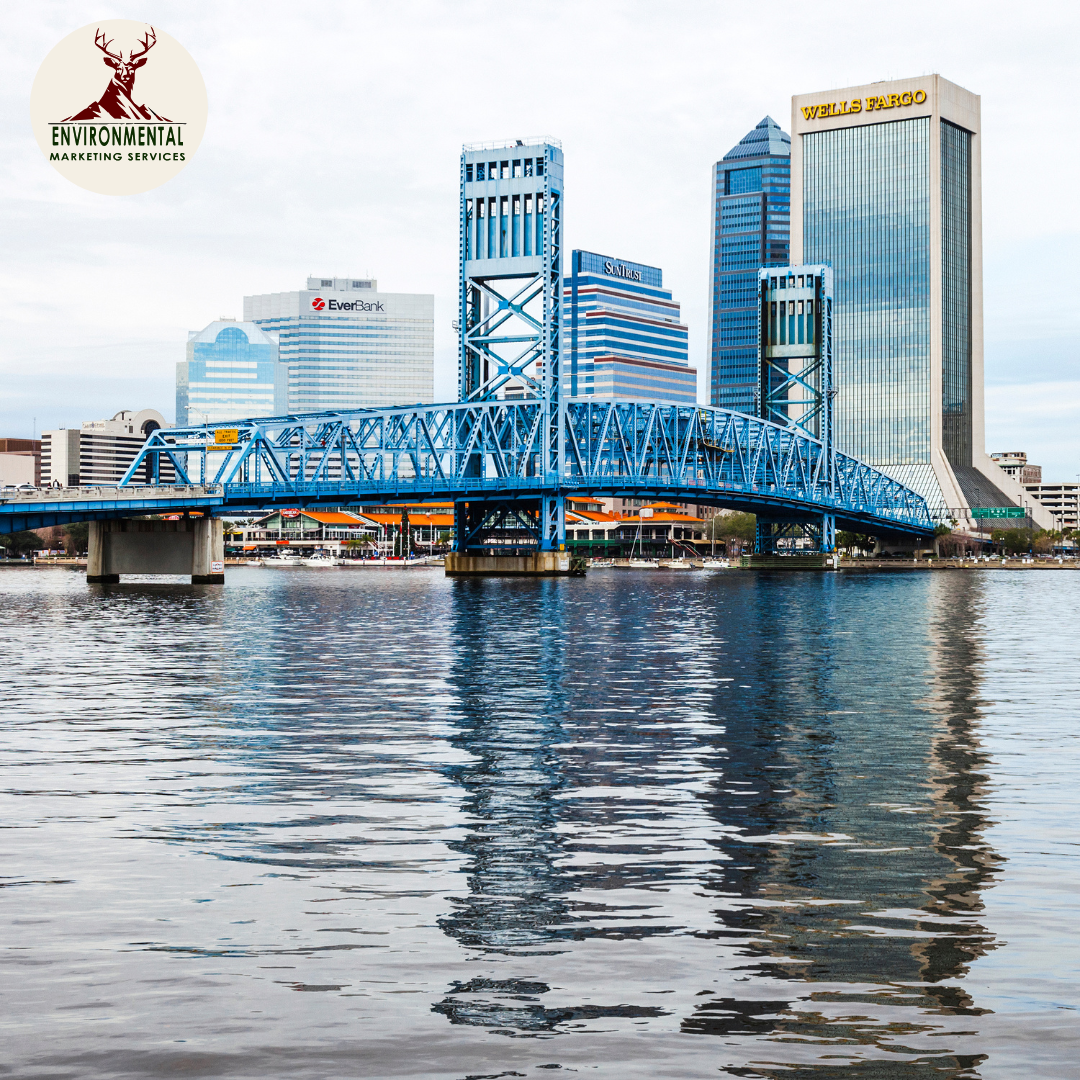
Managing hazardous waste correctly is key to keeping our environment and communities safe. Jacksonville, FL, like many other cities, faces challenges in dealing with waste that can be dangerous if not handled with care. From household cleaning agents to industrial byproducts, hazardous waste comes in many forms, and it’s vital to dispose of it responsibly. These materials, if improperly disposed of, can cause significant harm to our environment and health. Understanding how to manage them not only helps keep our neighborhoods clean but also ensures that our air, water, and soil remain uncontaminated.
In Jacksonville, the approach to hazardous waste disposal is about more than just process. It’s about protecting the future. As the city grows and changes, so do the demands on its waste management systems. Complying with local guidelines is important for businesses and residents, ensuring that they contribute to the well-being of their surroundings. With proper education and resources, Jacksonville can maintain its beauty and safety for years to come.
Why Proper Hazardous Waste Disposal Matters
The improper disposal of hazardous waste poses serious threats to both the environment and public health. When toxic substances seep into the ground, they can contaminate water supplies, damage ecosystems, and harm wildlife. For example, improper disposal of electronics can release heavy metals like lead and mercury into the soil, leading to long-term environmental damage. In a community like Jacksonville, with its abundant natural resources and proximity to important water bodies, protecting these areas is important.
Beyond environmental concerns, the mismanagement of hazardous waste can directly affect human health. Exposure to hazardous materials can lead to respiratory problems, skin irritation, and more severe health issues over time. Jacksonville residents and visitors could face these risks if waste isn’t properly controlled.
Preventing these outcomes takes a shared effort. Residents and businesses should be aware of the materials they use and understand how to dispose of them carefully. This responsibility also includes following local regulations that outline the correct methods for handling and disposing of these dangerous substances. By recognizing the impacts and taking appropriate actions, Jacksonville can protect both its people and natural surroundings.
Common Types of Hazardous Waste in Jacksonville
In Jacksonville, both homes and businesses create a variety of hazardous wastes. Knowing what types of waste are most common is helpful for disposal. Household items such as batteries, cleaning products, and leftover paint can be harmful if not handled correctly. Batteries, in particular, contain chemicals that can leak and negatively affect soil and water. Many common cleaners have ingredients that shouldn’t be poured down drains or thrown in regular trash.
For businesses, the types of hazardous waste vary across industries. Electronic waste, or e-waste, includes old phones, computers, and other devices that contain metals and substances hazardous to both people and the environment. Medical facilities work with biohazardous materials that must be treated with caution to avoid spreading infection or disease. Automotive and manufacturing companies also produce waste such as solvents, oils, and industrial byproducts that need careful handling.
When these materials make their way into landfills or water systems, the results can be long-lasting. That’s why recognizing these types of waste is the first step in safe management.
Steps for Proper Disposal
Proper disposal of hazardous waste involves several clear steps. Start by identifying the material. Look at the label or safety data sheet to understand what you’re handling. Some items will be labeled with symbols or warnings that give clues about the potential hazards.
Once the type of waste is identified, it’s critical to handle it safely. Use gloves, masks, or other protective equipment as needed, and make sure the materials are not mixed with regular trash. Each type of waste should be stored in its own clearly labeled container. For liquids, use sealed containers that won’t leak. For items like electronics or batteries, place them in a cool, dry area, away from heat or open flames.
Here are the basic steps:
1. Identification: Understand the type of hazardous waste.
2. Handling: Use safety equipment and care when touching or moving it.
3. Storage: Place it in proper containers labeled for the type of waste.
4. Disposal: Bring it to an authorized collection site or event.
Never pour hazardous liquids down household drains or into outdoor areas. These actions can contaminate the local water supply and spread pollution quickly.
Local Resources for Hazardous Waste Disposal
Jacksonville offers a number of ways for individuals and businesses to dispose of hazardous waste responsibly. The city regularly hosts collection events that accept items like paint, chemicals, e-waste, and other dangerous materials. These events are organized to make the disposal process easier and safer for the community.
In addition to scheduled events, several facilities in the Jacksonville area are available year-round to handle hazardous waste. These centers follow procedures that minimize risk and comply with environmental standards. Residents are encouraged to contact centers ahead of time to find out what materials are accepted and how they should be prepared for drop-off.
Environmental Marketing Services also assists with more complex or high-risk waste needs. Whether it’s support for large-scale industrial waste handling or helping a household properly dispose of old cleaners and batteries, having access to expert services is a benefit to the entire community.
When waste is disposed of properly through these channels, it keeps harmful substances out of the soil, water, and air. It also ensures that everyone—including pets, children, and wildlife—is better protected from accidental exposure.
Keeping Jacksonville Safe for Generations
Creating a cleaner and safer Jacksonville depends on the collective efforts of individuals, families, and businesses. Understanding the impact of hazardous waste and committing to responsible management can help prevent pollution, protect health, and keep natural spaces thriving.
For this reason, we encourage Jacksonville residents and organizations to stay informed and make use of the city’s many waste disposal resources. Whether it’s spending a few extra minutes separating waste materials or using professional services for safe removal, small actions make a big difference.
Jacksonville has a rich local environment and a strong sense of community. By continuing to prioritize safe waste disposal, the city can remain a beautiful and healthy place for current and future generations. Taking these steps now ensures we all play a part in protecting the land and people we care about.
If you’re looking for a safe and dependable way to handle waste in your community, our services for hazardous waste are tailored to support Jacksonville’s residential and commercial needs. Environmental Marketing Services is ready to partner with you to deliver effective solutions that protect both public health and the environment. Contact us today to learn how we can support your efforts.