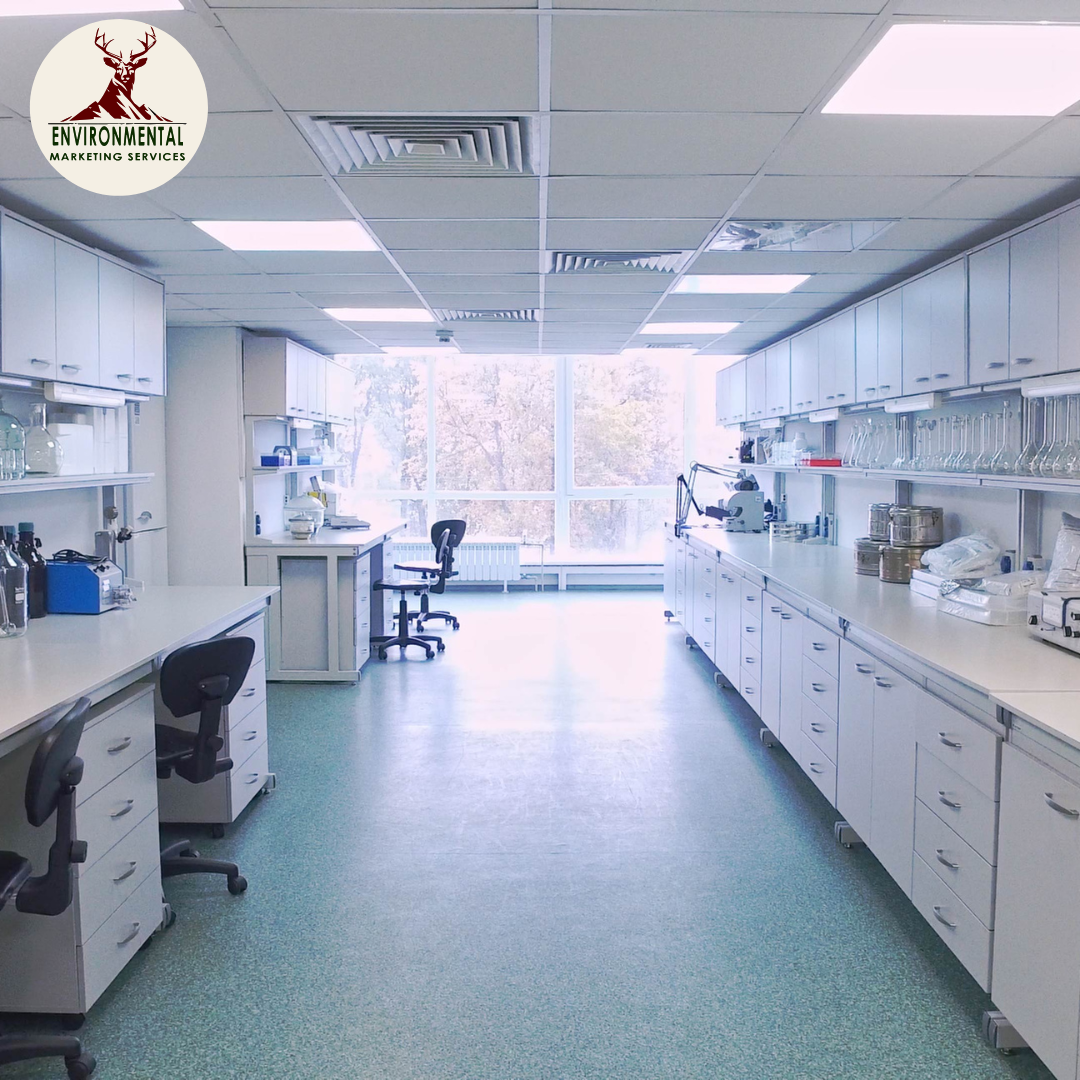
Proper lab waste disposal is a topic of growing importance as the focus on environmental sustainability and safety increases. Laboratories produce a diverse range of waste materials that, if not handled correctly, can pose significant risks to both human health and the environment. It’s important to understand and apply the right practices for disposing of this waste responsibly. New York, with its dense population and numerous research facilities, faces unique challenges in managing lab waste. Effective waste management not only ensures compliance with local and state regulations but also helps protect public health.
In New York, where space is tight and regulations are strict, labs must implement disposal strategies that are both compliant and efficient. Adapting to these requirements is not something labs can overlook. Laboratories play an important role in supporting safe urban environments, making it necessary for them to carry out their waste disposal processes with accuracy and care. With an organized approach, labs support public safety and environmental responsibility while meeting operational needs.
Understanding Lab Waste Categories
Effectively managing lab waste starts with identifying the types of waste generated. Each category must be handled, stored, and disposed of according to specific standards to maintain safety and compliance.
1. Chemical Waste
Chemical waste comes from substances used during experiments and research. These materials can be flammable, reactive, toxic, or corrosive. Proper chemical waste management starts with clear labeling and correct storage practices. Waste must be separated based on compatibility to prevent dangerous reactions. Only compatible containers should be used. When disposal is needed, labs are required to coordinate with licensed handlers to ensure safe and legal disposal methods.
2. Biological Waste
Biological waste includes materials that have been exposed to potentially infectious agents. This could mean used gloves, cultures, animal tissues, or similar items. Disposal should involve using biohazard bags or containers that prevent leakage. In many cases, autoclaving is used to neutralize the biological risk before disposal. Everyone who handles this kind of waste must wear protective equipment and follow strict guidelines to limit exposure.
3. Radioactive Waste
Not all labs use radioactive materials, but those that do face strict rules. Radioactive waste must be contained in shielded, leak-proof containers with clear labeling. These waste materials must be tracked from creation to disposal with detailed records. Federal and New York State regulations outline what labs must do, and there’s no flexibility in these guidelines. Failure to comply may pose serious risks and result in penalties.
Understanding these waste types and how to treat each is a first step toward better safety and compliance. A lab that categorizes and handles its waste properly reduces accidents, avoids penalties, and stays environmentally responsible.
Regulatory Framework in New York
New York enforces clear and detailed regulations for lab waste, aiming to reduce environmental hazards and public health risks. Regulations come from both state and city agencies, and labs must understand their specific responsibilities to remain compliant.
Labs in New York are required to keep logs documenting each type of waste produced, how it was stored, and when it was removed. Storage locations must comply with fire codes and hazardous material handling rules. Periodic audits and inspections ensure compliance. Missing documents, unsafe handling, or poor labeling can trigger fines and follow-up inspections.
In addition, regulations may change, and labs must stay up to date. One adjustment to local codes could impact storage rules or transport requirements. Non-compliance can lead to serious outcomes, including temporary shutdowns, loss of licensing, or personal penalties for lab managers.
By staying informed and maintaining complete records, a lab demonstrates responsibility. This not only avoids fines but supports smoother day-to-day operations.
Best Practices for Lab Waste Disposal
Following clear and consistent practices for lab waste disposal strengthens safety and environmental protection efforts—while also supporting compliance. Here are three key areas labs should focus on:
1. Segregation and Labeling
Labs must separate waste based on its classification. Chemical, biological, and radioactive wastes must never be mixed. Each container should be clearly labeled to identify the content, hazard type, and date. Labeling helps prevent improper handling and ensures that each waste type is directed to the appropriate disposal process.
2. Safe Storage and Transportation
All waste should be stored in compatible, leak-proof containers. Containers should be tightly sealed and stored in well-ventilated, secure locations away from areas used for staff operations. Moving waste from the lab to the disposal service requires following transportation rules. Approved carriers must be used, and the waste must be carefully packed so it doesn’t shift or spill while in transit.
3. Staff Training
Every team member must know how to handle different types of waste. Regular training sessions teach workers how to fill out labeling forms, identify hazards, and respond to incidents. A well-informed staff will recognize safety risks earlier and adopt better standards of care, keeping everyone in the lab safer.
When labs follow these steps, they see improvements in safety and compliance. Attention to technique, labeling, and staff training leads to a working environment that is more organized and less prone to mistakes.
Choosing a Reliable Waste Disposal Service in New York
An experienced waste disposal provider is a key part of managing lab waste well. New York regulations often require partnering with a licensed handler that understands local requirements. Here’s what labs should look for when selecting a provider:
1. Licensing and Certification
Confirm that your provider is properly licensed at the state and federal level. This ensures they are authorized to handle, transport, and dispose of each waste type your lab generates.
2. Experience and Expertise
A provider familiar with laboratory waste challenges will deliver better service. Years of experience help them spot inefficiencies in your process and offer practical recommendations. They are also prepared to handle uncommon or sensitive waste materials, which supports full compliance.
3. Clear Communication
Your provider should be responsive, reliable, and easy to reach. If a concern arises, clear communication ensures quick solutions. A provider that offers routine waste pickups, emergency services, and timely documentation of each transaction makes life easier for your lab team.
4. Cost-Effective Solutions
While pricing is a factor, it must reflect the service quality. A competent provider will help reduce long-term costs by preventing fines or unexpected service interruptions. Review their pricing against value, not just rates alone.
Making the right choice gives your lab long-term stability. It reduces your team’s workload and opens the door to consistent regulatory success.
Steps Toward Long-Term Waste Management Success
Managing lab waste in New York demands precision, responsibility, and well-supported processes. Regulators expect it, the environment depends on it, and your team’s safety relies on it. From understanding chemical, biological, and radioactive waste to practicing smart segregation, safe transportation, and structured staff training, every step matters.
Choosing a professional waste disposal partner helps expand your lab’s capacity to meet these needs. With services that meet local rules and adapt to your schedule, labs enjoy consistent operations and peace of mind. Whether your lab handles small-scale daily processes or runs multiple departments with varied waste outputs, solid waste management sets your lab up to succeed.
With the growing challenges of lab waste management, finding reliable solutions is more important than ever. For comprehensive support, learn how we can help with solutions for radioactive waste. Environmental Marketing Services is here to ensure your lab stays compliant and environmentally responsible.