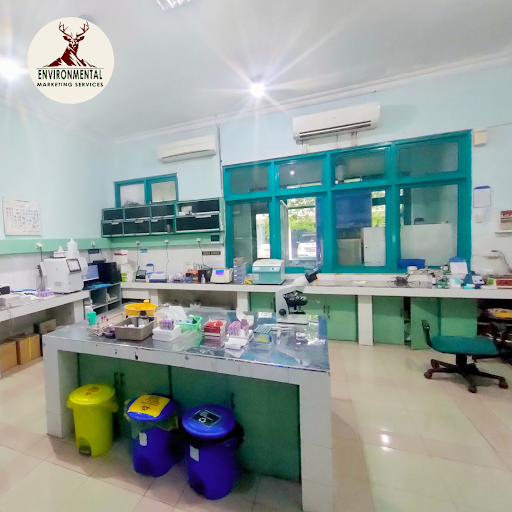
When we think about how labs run, most people imagine computers, microscopes, and shelves lined with bottles. Just as important is what happens when those bottles are empty, broken, or too old to use. Waste disposal in laboratory settings matters more than people might guess. From sharp objects to toxic chemicals, lab waste needs to be handled the right way to avoid safety risks and legal problems.
Using the wrong storage, skipping labels, or mixing different types of waste can lead to dangerous spills or reactions. Some of these materials are flammable. Others are harmful to breathe in or touch without gloves. This is why we take the time to collect and sort lab waste with care. Early February is a great time to review how things are being handled before the spring projects pick up. It is a chance to reset and make sure our lab is still following smart, safe steps.
Understanding Laboratory Waste Types
Not all lab waste is the same. We separate it into categories to keep each type under control. Here are the three main groups:
- Hazardous waste includes materials that are flammable, toxic, corrosive, or reactive. Common examples include solvents, acids, or unused chemicals from experiments.
- Non-hazardous waste is safer but still needs proper handling. This might be broken glassware, paper towels used to clean lab counters, or outdated lab supplies that do not pose serious risks.
- Universal waste covers items like batteries, fluorescent lamps, and certain kinds of electronic equipment. These may seem safe but can cause harm if tossed in normal trash.
Each waste type needs to be sorted, labeled, and packaged the right way. That means using the correct container, adding dates and labels, and keeping them in a spot built for that kind of material. Matching the waste to its correct container helps during transport and stops accidents before they happen.
Risks of Improper Laboratory Waste Disposal
Throwing lab waste into regular trash bins might be easy, but it is never the safe choice. Mixing the wrong chemicals can lead to reactions that create heat, smoke, or dangerous gases. Broken glass spread in a trash bag could injure someone taking out the garbage. These little mistakes add up fast.
There is also the issue of harm to the environment. Pouring chemicals down the sink or tossing electronics in the dumpster can pollute water systems or damage local soil. That is not just a problem for nature; it can bring fines and damage a lab’s reputation.
Lab staff are also at risk. Bad habits, like not sealing containers or ignoring warning signs, put the whole team in danger. Taking shortcuts can cause spills, burns, or long-term health problems from exposure to toxic fumes.
Safe Handling and Storage Practices in Lab Settings
Managing waste in a lab goes beyond what gets thrown away. It starts from the moment materials are no longer needed. Strong habits and a clean setup can make all the difference.
- Use containers that match the waste type and keep them sealed when not in use
- Label all containers clearly, showing what is inside and when it was added
- Separate materials that do not mix well, like acids and bases, to avoid reactions
- Set up spill kits nearby and make sure staff know how to use them
- Post clear disposal rules at each collection point as a daily reminder
These daily habits keep our spaces safer and more organized. They also make it easier to work with disposal services when it is time for pickup.
Partnering With a Professional Waste Disposal Service
Some labs try to handle every step of waste disposal on their own, but that is not always safe or legal. When it comes to transporting and treating hazardous materials, we always turn to professionals.
Licensed waste handlers know how to pack different materials and follow strict safety rules during transport. They understand container types, paperwork needs, and how to manage reactions if something goes wrong during transit. We trust them to move old chemicals and sharp debris the right way.
One advantage that many laboratories appreciate is partnering with waste handlers who are fully permitted and insured for transporting hazardous and universal waste, helping protect your team and your business throughout every step. We hold the necessary permits and provide manifest tracking for every pickup, giving you full documentation from start to finish.
We are not only hauling things away, we are helping you stay compliant and avoid errors. Our professional knowledge covers everything from chemical inventory checks to special treatments for unusual waste. Letting our trained people take the lead reduces the chance of fines or accidents, giving your lab more time to focus on research and daily work.
Staying Compliant With Waste Regulations
Waste laws do not look the same in every state, and they are not always easy to follow unless we are paying attention. Rules from the EPA and local agencies are based on what kind of waste we create and how much of it a lab produces daily, weekly, or monthly.
- Labels must include correct names, dates, and hazard warnings
- Containers have time limits for how long waste can sit before disposal
- Storage areas must meet certain safety standards, like keeping flammable materials away from heat
We stay current on changing regulations and help labs adhere to complex requirements, including those specified by the U.S. Department of Transportation for waste transport. This means your lab always has up-to-date guidance for documentation, container selection, and handling practices.
Following the rules helps everyone, not just inspectors. Labs stay safer, staff feel more confident, and unexpected issues do not sidetrack important projects. It also shows that we are protecting the people around us, even outside our doors.
Setting Your Lab Up For Long-Term Success
Keeping waste under control is not just about avoiding problems. It is about building a lab where people can focus, trust their surroundings, and know the space supports the work being done. Sorting it out early in the year makes spring transitions smoother and avoids the headaches that come from rushed changes.
By following smart methods for handling, storage, and collection, we set ourselves up for long-term safety. Blocking spills, tracking materials, and knowing when to bring in outside help are signs of a well-run lab. As we begin a new season, this is a good time to double-check our disposal plans and clear out what no longer serves. Safe, steady habits help protect everything and everyone that passes through our lab.
Reviewing waste protocols and prepping for seasonal cleanouts gets easier when we handle the most sensitive materials for your lab. Chemical leftovers, contaminated containers, and reactive products call for planning and care, and our hazardous waste services are built to cover a wide range of disposal needs, helping you manage safety and keep up with compliance. At Environmental Marketing Services, we support labs of all sizes with clear solutions for ongoing waste management goals. Contact us to schedule a consultation and review your current disposal process.