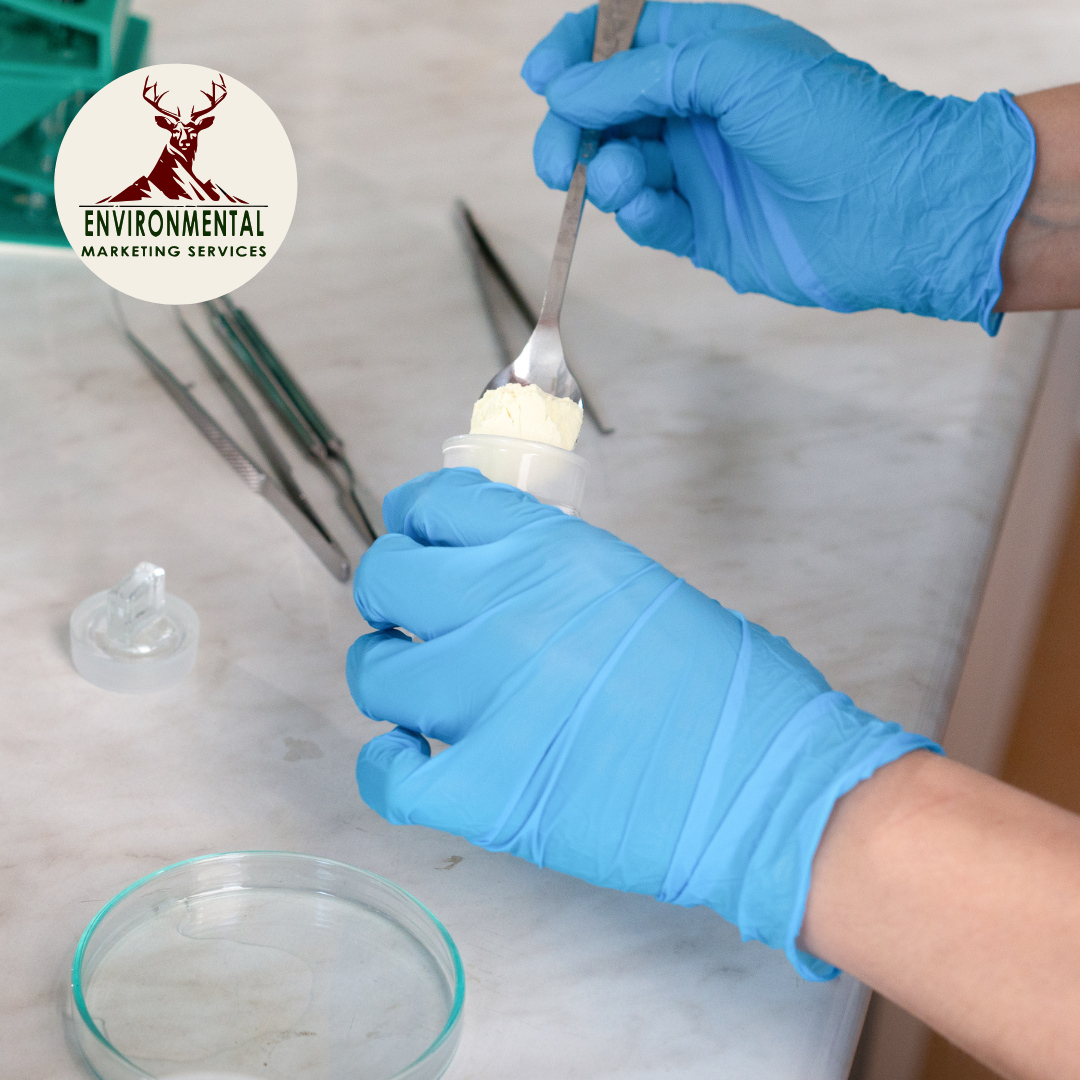
Laboratory waste disposal is more than tossing used gloves or empty bottles in the trash. This type of waste often includes materials that need special handling to prevent harm to people, property, and the environment. Businesses, research labs, manufacturing facilities, and schools often end up with lab waste that can be hazardous or regulated in some way.
Late February is a smart time to think about cleanup processes, especially with spring projects just around the corner. It is easier to manage waste safely when you get ahead of it before inventories grow or projects restart. By looking at what kind of waste you have and how it is stored, you can avoid problems before they start.
Understanding Different Types of Lab Waste
The first step in safe disposal is knowing what you are working with. Lab waste falls into three main groups, and each one is handled differently.
- Hazardous waste includes flammable liquids, toxic chemicals, corrosive substances, and anything reactive.
- Non-hazardous waste might be empty containers, broken glass that is not contaminated, or basic office-type items found in lab areas.
- Universal waste can include things like batteries, bulbs, and some electronics.
Sorting waste into the right group matters. It helps reduce risk, keeps disposal routes separated, and prevents dangerous mixing of materials. For example, expired reagents should never go in the same container as general trash. Taking a few extra minutes to sort waste properly goes a long way in keeping everyone safe.
We help businesses separate and manage these waste types, using DOT-approved containers for safe on-site accumulation and secure transport.
Hazards of Improper Laboratory Waste Disposal
The risks of throwing lab waste in the wrong place are not small. Some chemicals react badly when mixed. Even a small spill can cause toxic fumes or damage.
There is a bigger impact, too. Waste that makes its way into the wrong system can pollute rivers or groundwater, or even damage soil. Over time, this kind of pollution can stick around and affect areas far beyond the lab itself.
Then there is the legal side. If a business does not follow disposal rules, it could face penalties or fines. Mislabeling containers or letting incompatible waste collect in the same place might feel small in the moment, but it can lead to bigger and more expensive problems. That is why it is not just safer but smarter to get disposal right from the start.
Step-by-Step Waste Collection Best Practices
Once you know what kind of waste you are dealing with, the next step is learning how to store and collect it safely.
- Use labels on all containers that clearly mark what is inside.
- Store each type of waste in a proper container that matches its hazards.
- Keep storage areas cool, dry, and away from busy foot traffic.
If something spills, follow the lab’s clean-up protocol using gloves, absorbents, and proper disposal of rags or materials used. Do not mix spilled materials with general trash.
It is also important to keep incompatible materials away from each other. For example, acids and bases should never share a storage area. Planning ahead and walking through the space regularly makes it easier to catch mix-ups before they cause harm.
We provide chemical waste programs that simplify staff training and documentation, ensuring every item is handled according to state and federal regulations.
The Role of Waste Management Professionals
When the waste is ready to go, it is time to bring in trained waste handlers. These professionals are certified to transport and dispose of lab waste according to strict rules.
They hold licenses for the trucks that carry hazardous materials and use disposal routes that are legally approved. That is why this part of the job should never fall to someone who is not trained for it. Internal lab staff may be great at sorting or storing, but the actual disposal process brings more risk and complexity than it may seem at first.
Working with experienced professionals helps lower the chance of an accident and keeps your business in compliance at the same time. Whether you are getting rid of acids, solvents, or expired test kits, using proper hazardous waste services is the smart move.
Getting Ready for Seasonal Lab Cleanouts
Late winter is a good time to audit your lab supplies, especially before new orders start arriving in spring. A seasonal cleanout helps you get rid of what is expired or unused and makes it easier to stay organized for the year ahead.
Here are a few ways to get ready:
- Start an inventory list of all chemicals, reagents, and lab supplies.
- Check expiration dates and mark any items for disposal.
- Schedule time for staff to safely group and label materials.
Regular cleanouts do not just clear up space. They make daily tasks safer and faster when people are not digging through old stock. They also help prevent mix-ups or storage clutter that leads to accidental spills.
Safe, Simple Waste Disposal Starts with Planning
Lab waste may be part of the job, but how we manage it makes all the difference. Knowing the difference between hazardous, non-hazardous, and universal waste is one of the first things to get right. From there, smart collection and safe storage help prevent problems and make pickups easier.
Skipping steps or ignoring unsafe habits does not just lead to mess. It can bring risks to the people around us and cause real damage beyond the lab walls. Waste piles grow fast, especially during busy times of year, so setting up clear steps now helps keep things running smooth long-term.
Getting help from trained waste professionals takes the guesswork out of disposal. It is one less thing for your staff to worry about while keeping health, safety, and the environment in check.
Partnering for Year-Round Compliance and Safety
Choosing a certified team like ours means your business benefits from 25 years of experience in compliant handling, documentation, and sustainable disposal across 47 states. From single-day cleanouts to setting up ongoing waste management, you get peace of mind at every step.
At Environmental Marketing Services, we know that staying safe and compliant with waste rules takes more than just good intentions. Whether your lab is clearing out chemicals, expired test kits, or used equipment, having dependable support makes all the difference. Our trained professionals handle every step, so you do not have to second-guess storage, transport, or pickup decisions. To see how we can help with your lab’s hazardous waste services, contact us today.