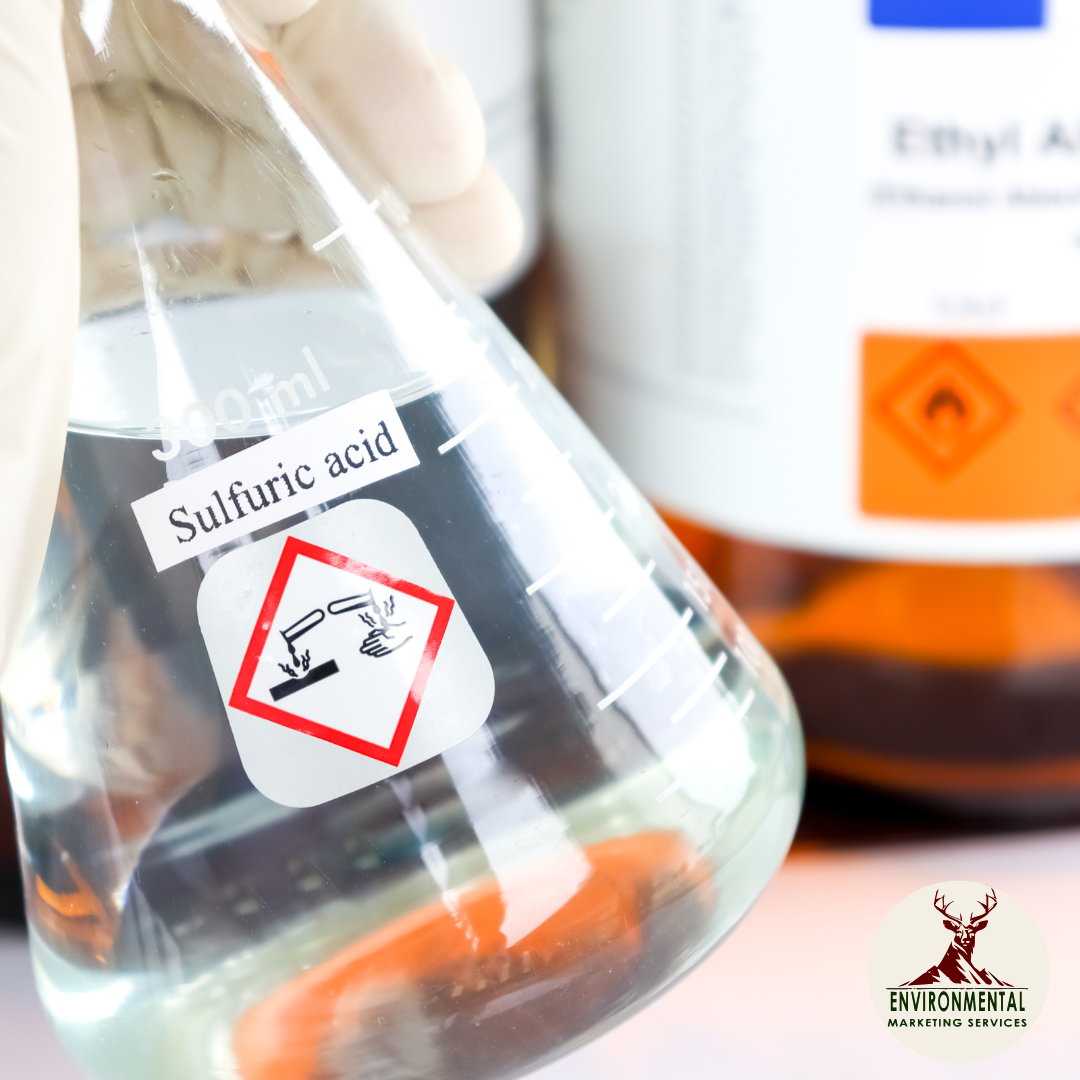
Laboratories of all types create waste, and that waste needs to be handled carefully. Whether it is a school science lab, a hospital, or a research facility, leftover materials can include chemicals, biological samples, broken glass, and more. When this waste is not managed the right way, it can cause serious problems for people and the environment.
This is where laboratory waste services come in. These services help keep labs safe by making sure waste is sorted, labeled, stored, and removed the right way. With winter on the horizon and many labs gearing up for seasonal breaks, this is often the right time to review how waste is being handled. In colder months, activity in labs can temporarily slow down, giving staff a chance to clean up or swap out chemical stock. That makes late fall a good time to think about safer ways to manage waste.
Understanding Different Types of Laboratory Waste
Not all waste is the same. In lab settings, we deal with many types of materials, and it is important to separate them from the start. This helps reduce the risk of dangerous reactions, leaks, or exposure.
Lab waste is usually sorted into two main groups: solid and liquid. Solid waste can include things like used gloves, pipettes, sample containers, or broken glassware. Liquid waste often comes from experiments that involve leftover chemicals, solvents, or rinses from cleaning out equipment.
Then there is the question of what is hazardous and what is not. Hazardous waste includes anything that might be toxic, flammable, reactive, or corrosive. Non-hazardous lab waste might still need to be handled with care but does not pose the same level of risk. For example, water that was used to rinse glassware might be non-hazardous, while ethyl ether is highly flammable and requires special handling.
Here are some common types we see across different labs:
• In school labs: outdated chemicals, broken thermometers, and mixed solutions
• In hospital settings: samples in small vials, sharps, and trace chemotherapy materials
• In industrial and research labs: solvents, flammable liquids, heavy metals, and unknowns
Sorting waste correctly is the foundation for safe disposal. Without it, the risks go way up.
Why Proper Handling Matters Year-Round
Lab waste is not something that can wait. Dangerous materials do not take time off, and if they are not stored or removed safely, the results can be harmful.
Chemical exposures can happen pretty easily when waste is labeled wrong or mixed incorrectly. Even something as simple as using the wrong collection container can lead to spills, leaks, or harmful fumes. From there, those problems do not just stay inside the lab, they can harm local water systems, soil, and air quality.
During the winter, we run into a few more issues. Transporting chemicals during freezing temperatures adds risk, especially with pressurized or reactive substances. Some materials can turn unstable when they get too cold. Roads and access points may also be harder to reach, which makes winter pickups more complicated.
That is why hazardous waste services are even more important this time of year. Handling things the right way helps avoid delays, protect the environment, and most importantly, keep people safe. Environmental Marketing Services has decades of experience transporting and managing hazardous, non-hazardous, and universal waste for laboratories and businesses in all seasons.
Steps to Safe Waste Collection and Storage
Safety starts with small steps in any lab. Before anyone comes to collect waste, it needs to be sorted, labeled, and stored properly. This protects everyone on site and anyone who will handle it later.
Here are a few important tips:
• Separate all waste by type, do not combine chemicals, even if they seem similar
• Label all containers clearly, and include full chemical names where possible
• Use strong, sealed containers made for lab waste (no regular bins or trash bags)
• Keep waste in a stable, secure spot that is away from heat, ignition sources, or moisture
We also stress what not to do. Do not pour waste down drains or throw it in the trash. Do not let unknown materials pile up. Do not assume another shift will take care of it. Each step in this chain affects the one that comes next.
Environmental Marketing Services provides specialized lab pack services to properly classify, segregate, and package small quantities of hazardous chemicals, ensuring regulatory compliance and safe removal whether the waste is known or unknown.
Working with Professionals for Waste Disposal
Even small labs can create complicated waste problems. That is where professional help comes in. Trained teams know the right way to handle chemical, biological, and hazardous waste using tested procedures and proper equipment.
The first thing we focus on is safety, for your site, your staff, and the environment. When labs try to handle too much on their own, it is easy to miss steps or make unsafe assumptions. Working with specialists also means following the proper laws and regulations. Waste needs the right kind of label and manifest, especially if it crosses state lines or contains restricted substances.
Professionals can also help keep records up to date. Whether it is for inspections, audits, or just peace of mind, good documentation matters. If a facility is ever reviewed, clear records show that everything was handled by the book.
Environmental Marketing Services operates across 47 states and can support regulatory-compliant waste disposal for organizations of all sizes, providing the expertise needed for proper documentation and safe practices.
Results of Responsible Waste Services
Labs that follow strong waste practices see a clear difference. Safer workspaces, fewer hazards, and better oversight all come from doing the basics well. Chemical storage feels less overwhelming when things are not cluttered or disorganized. Staff handling waste feel more confident when labels are clear and containers are sealed.
In colder months, these habits matter even more. Equipment might be stored longer than usual during breaks. Heating systems in buildings can shift airflow and impact where fumes collect. Cleaning up ahead of the season helps avoid problems before they happen.
Using good sense and the right support makes laboratory waste services smoother for everyone involved. It keeps people safe, operations cleaner, and the larger environment protected through every season.
Stay Ready for Winter with the Right Partner
As your lab gets ready for seasonal downtime or clears out before the new year, taking a closer look at how waste is managed can make a big difference. Keeping your workspace safe and compliant starts with reliable handling and smart storage. We help facilities manage everything from flammable liquids to broken labware, making dependable disposal straightforward. To see how our hazardous waste services can support your lab’s needs, contact Environmental Marketing Services today.