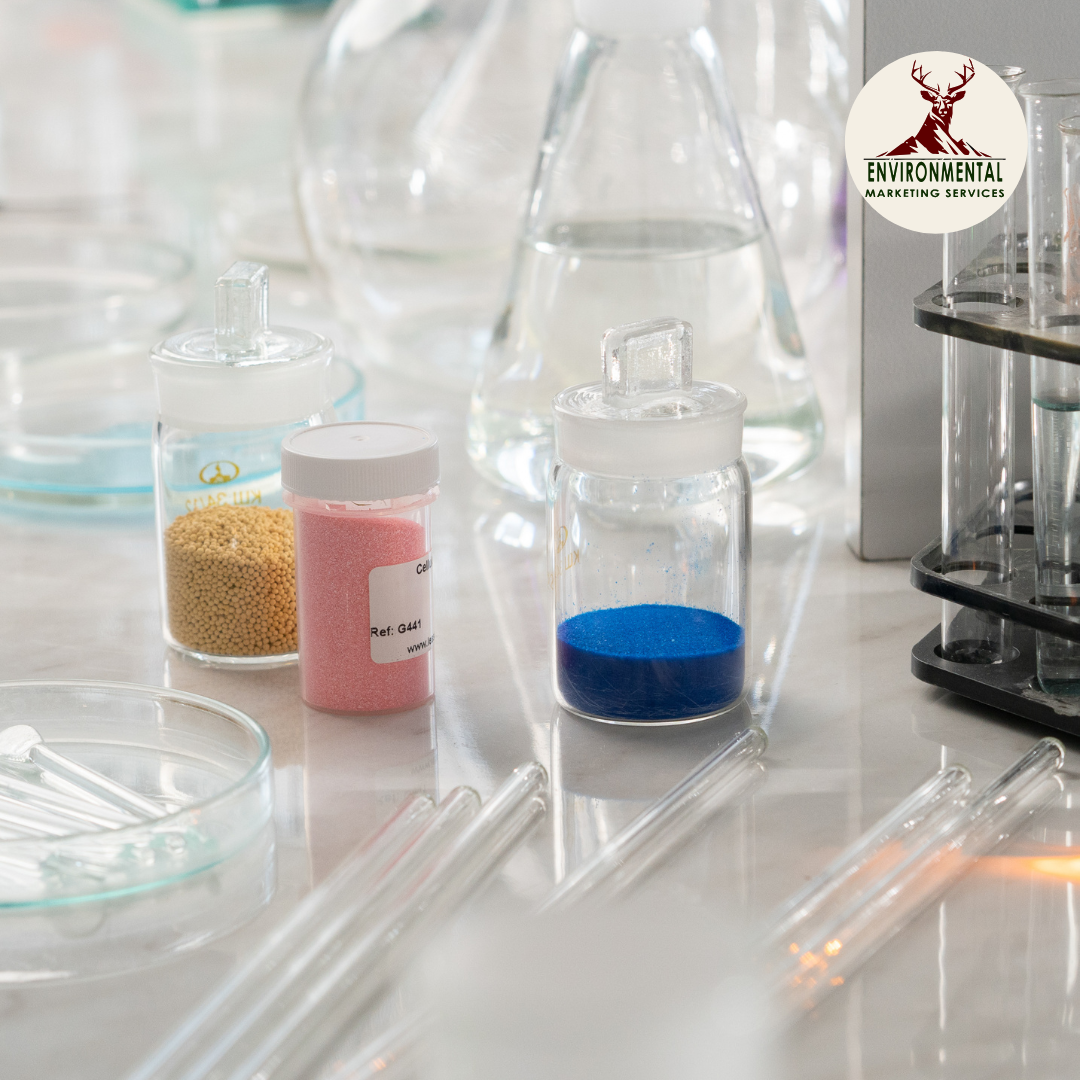
Laboratory waste management means handling all the leftover materials a lab produces in a way that keeps people safe and follows the rules. Labs often deal with sharp objects, old chemicals, used gloves, or broken containers, and if these pile up or are stored carelessly, they can lead to problems like spills or injuries. Some waste may be harmless, but other kinds can be dangerous if not labeled or handled the right way. We use hazardous waste services to take care of this in a professional and safe way. Starting with simple routines and staying organized can make a big difference. The sooner lab waste gets sorted out and removed, the safer the work environment becomes for everyone.
Understanding Laboratory Waste
Not all lab waste looks the same, and that makes it important to know what we are dealing with. There are two big categories: hazardous and non-hazardous waste. Hazardous waste includes leftover chemicals, flammable liquids, and anything that can react or cause harm. Non-hazardous waste covers items like rinse water, sample vials without chemicals, or clean packaging. What matters is not just what it is, but how it is managed.
Labs usually end up with waste from routine tasks like testing, research, or cleaning. Expired or unlabeled chemicals, broken glassware, and unfamiliar samples are just a few examples. Letting these pile up can lead to leaks, contamination, or fire risks. Poor storage or guessing what is inside a bottle can also put people at serious risk. That is why waste should never be left for too long or handled without care.
Sorting and Labeling: First Steps in Staying Safe
Before anything is moved out of the lab, waste needs to be sorted the right way. That means separating it based on what it is and how dangerous it might be. Acids do not belong with flammable materials. Broken glass should not mix with chemical plastic containers. By keeping these items apart, we help prevent chemical reactions and safety risks.
Once sorted, labels come next. Every container should have a label showing exactly what is inside, when it was added, and who handled it. If that is missing, handlers could treat it the wrong way and cause spills or exposure.
• A bottle labeled “solvent” instead of naming the exact chemical might be packed incorrectly
• Sharp glass tossed in the wrong bin could rip through bags and injure someone picking it up
• Grouping acids with bases without checking the risks can lead to unexpected reactions
In most labs, even small mistakes with labeling or sorting can cause problems later. Sticking to simple labeling rules and organizing items clearly cuts down risks fast.
Storage and Transport Rules for Lab Waste
Once everything is sorted and labeled, it needs to be stored until a licensed service picks it up. Containers must be strong and sealed tight. Putting them in spill-proof pans or bins adds another layer of safety, especially when working with liquids or corrosive items.
Proper placement makes a difference too. Storing waste far from active workstations and heat sources helps reduce the chance of an accident. In the cooler months, waste needs to be shielded from freezing temperatures as well. Some containers can become brittle or break when exposed to the cold.
When transport begins, trained professionals come in and follow strict rules. They wear the right safety gear, check the labels again, and use DOT-approved vehicles to carry waste away. From pickup to final disposal, there are multiple steps that keep lab staff and outside workers safe.
Inside the lab, staff are responsible for preparing the waste, double-checking labels, and filling out any forms required for tracking. Once waste leaves the site, the responsibility shifts to the disposal provider. But that does not mean our job ends. We still need to check everything is ready before it goes out the door.
What Labs Can Do to Stay Compliant
It is not hard to slip up with lab waste rules. Common mistakes include using the wrong label, storing waste too close to workstations, or skipping container checks. Some labs do not remove waste until storage drums are nearly full, which raises safety concerns.
Building safer habits does not have to be complicated. Simple routines help us stay ahead:
• Set up weekly waste area checks and remove full containers right away
• Keep a written log of what goes in and out of each waste station
• Make it a habit to replace damaged or unreadable labels
• Teach new staff the sorting steps from day one
Trying to manage lab waste alone can lead to gaps. That is why bringing in trained professionals who know the rules helps avoid problems. Whether we are slowing down in January or ramping up for a new project, having proper waste habits in place keeps everything on track.
Expert Solutions for Laboratory Waste
When it comes to smooth management and responsible removal of laboratory waste, Environmental Marketing Services provides licensed pickup and full disposal for a wide range of chemical and universal wastes. The company supports businesses and labs across 47 states and is well-versed in EPA and DOT regulations. Solutions like lab packing, chemical recycling, and on-site waste evaluations help ensure every step meets strict compliance. This professional approach helps clients reduce risks and maintain safety, no matter the scale or complexity of their waste streams.
Safer Labs, Cleaner Results
Handling lab waste the right way is not just something we do for convenience; it is how we protect people, property, and the environment from harm. When chemicals are expired, containers break, or samples are no longer needed, that waste cannot simply sit around waiting. It needs to be handled and removed properly.
By matching our routines to the rules and checking our steps regularly, we can keep hazards low and lab operations running smoothly. Whether we are managing one bottle or dozens of barrels, how we sort, label, and store waste makes a big difference to long-term safety. Working with expert waste handlers lets us focus on science while knowing our waste is being managed the right way.
Environmental Marketing Services helps labs keep safety and waste removal simple, so chemical waste, broken containers, and unlabeled materials never sit in storage longer than needed. Freezing weather or changes with staff can slow things down, but our team handles tricky jobs and moves waste through every step with care. We offer reliable hazardous waste services to fit your lab’s needs. Ready to make waste management easier? Contact us today.