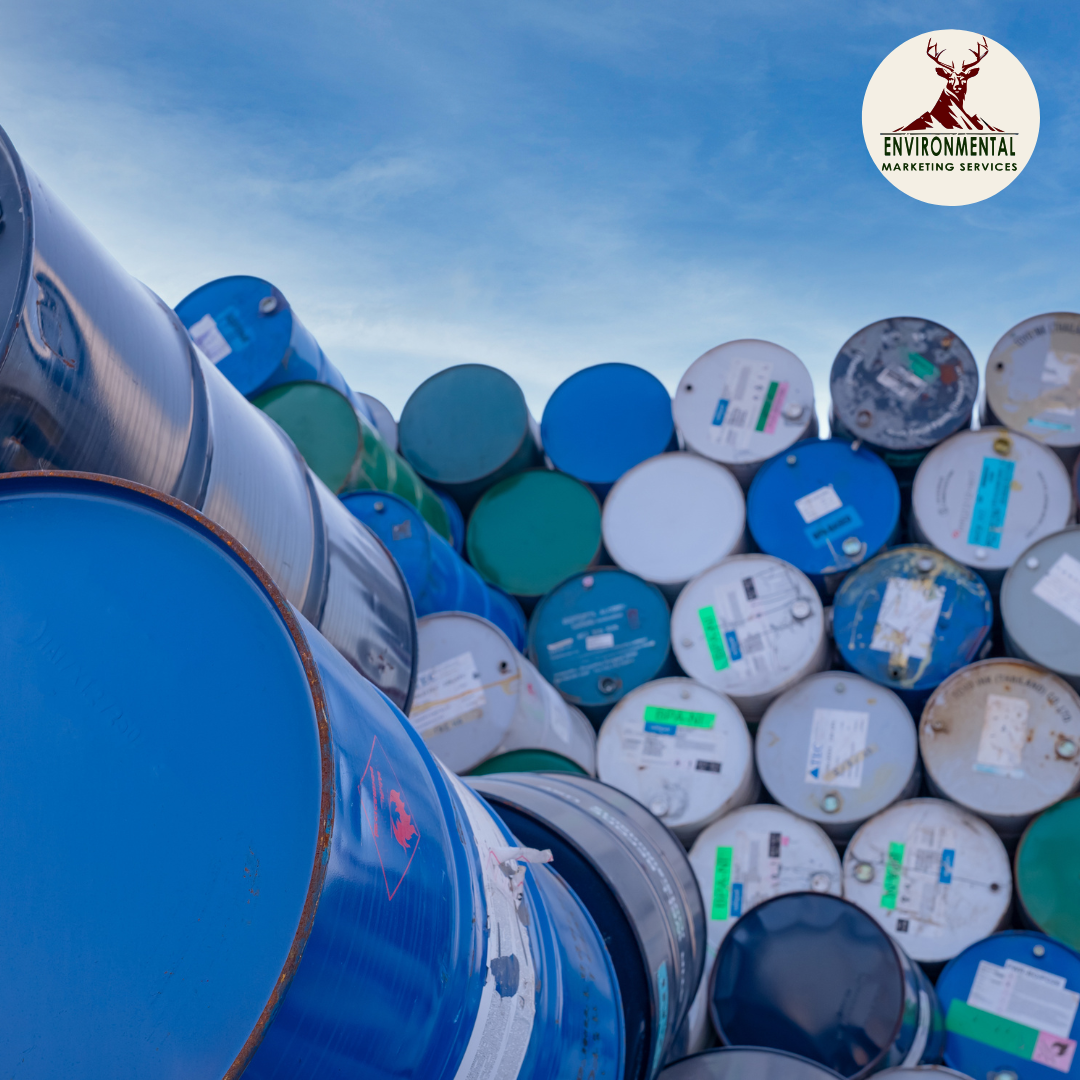
Hazardous waste disposal has become a key aspect of creating a safe and healthy environment in places like factories, hospitals, and laboratories that produce hazardous wastes. These materials can be harmful not only to human health but also to wildlife and ecosystems if not managed properly. Taking care of hazardous waste ensures that harmful substances don’t end up in the environment, causing pollution and health risks.
Items and materials we encounter every day can become hazardous when they are no longer needed. Think about old batteries, chemicals from cleaning supplies, or even expired medicines. Each of these can pose different threats if not handled with care. That’s why it’s important to learn about the sources of hazardous waste and how to dispose of it properly.
Identifying Hazardous Waste
Recognizing what qualifies as hazardous waste is the first step in responsible disposal. Hazardous waste generally includes materials that are dangerous or potentially harmful to our health or the environment. These can be liquids, solids, gases, or sludges. Identifying these wastes correctly allows for proper handling and disposal.
Common Hazardous Wastes:
– Chemicals: Used in manufacturing processes, cleaning, or other applications.
– Batteries: Contain heavy metals like lead or cadmium that need careful disposal.
– Medical Waste: Items like needles, vials, and used bandages from healthcare settings.
– Pesticides and Fertilizers: Used in agriculture, they contain chemicals that can be toxic to humans and animals.
Different industries produce specific types of hazardous waste. For example, a laboratory might deal with chemical reagents, while a hospital might handle biological waste. Identifying the type of waste can help determine the necessary precautions for safe disposal and minimize negative impacts on the environment. Knowing the nature of the hazardous waste you are dealing with helps in choosing the best way to manage it, ensuring both safety and compliance with local regulations.
Proper Handling and Storage
Once you’ve identified hazardous waste, handling and storing it safely is the next step. Proper handling involves wearing the right protective gear to minimize exposure. Gloves, masks, and goggles can prevent contact with harmful substances. Always make sure that anyone dealing with hazardous waste knows how to handle emergencies, like spills or exposure.
Storage plays a critical role in preventing accidents and contamination. It’s important to use containers that are specifically designed for hazardous waste. These containers should be clearly labeled to avoid any confusion. Ensure that containers are sealed tightly and stored in well-ventilated areas. Keeping incompatible wastes separate is key. For instance, certain chemicals can react dangerously if mixed, so keeping them in separate areas is safer. Regularly check storage areas for leaks or damages that might compromise safety.
Disposal Methods
Choosing the right disposal method depends on the type of waste. Incineration is one option for certain medical or chemical wastes, converting them safely into ash and gases. Another method involves chemical neutralization, where hazardous chemicals are converted into less harmful substances through a chemical reaction.
Following local regulations and guidelines is mandatory. It’s not just about avoiding hefty fines; it’s about ensuring the process is safe for people and the planet. Local regulations provide specific instructions tailored to different types of hazardous waste, ensuring compliance and safety.
The Role of Professional Services
Handling hazardous waste can be complex and risky. That’s where professional services come in. They not only have the expertise but also the equipment to manage hazardous waste safely and effectively. Professionals are knowledgeable about legal requirements and can help ensure that disposal is compliant with all necessary regulations.
Using a professional service allows you to focus on your primary activities without worrying about hazardous waste management. They can offer tailored solutions to meet your specific needs, from managing small quantities to handling industrial-sized volumes.
Safeguarding the Future
Ongoing efforts in hazardous waste management are an investment in health and safety. Consistent practices help in keeping our surroundings cleaner and reducing potential hazards. By being proactive, we make sure the health of communities and ecosystems is protected.
Choosing to handle hazardous waste responsibly ensures a safer world for future generations. Encouraging sustainable practices today helps in reducing the potential challenges tomorrow might bring. Taking these steps seriously is an opportunity to make a positive impact on our environment.
Keeping Your Environment Safe
Taking everything into account, understanding and managing hazardous waste is not just a responsibility, but an opportunity to safeguard our surroundings. Proper identification, handling, and disposal contribute immensely to environmental and personal safety. By being informed and proactive, individuals and businesses can contribute to healthier communities. As you consider hazardous waste in your own context, exploring professional services ensures these processes are managed efficiently and safely.
For comprehensive solutions to handle waste responsibly, consider exploring our hazardous waste services. Environmental Marketing Services ensures your waste is managed safely and in compliance with all regulations, helping you maintain a clean and healthy environment.