Hazardous waste is a topic that often flies under the radar, yet it is one of the most important environmental issues we face today. While we go about our daily lives, hazardous materials could quietly pose threats if not properly managed. From chemical byproducts to old electronics, hazardous waste is more common than many people might think. Proper disposal is not just about following rules. It is about protecting our health and our planet.
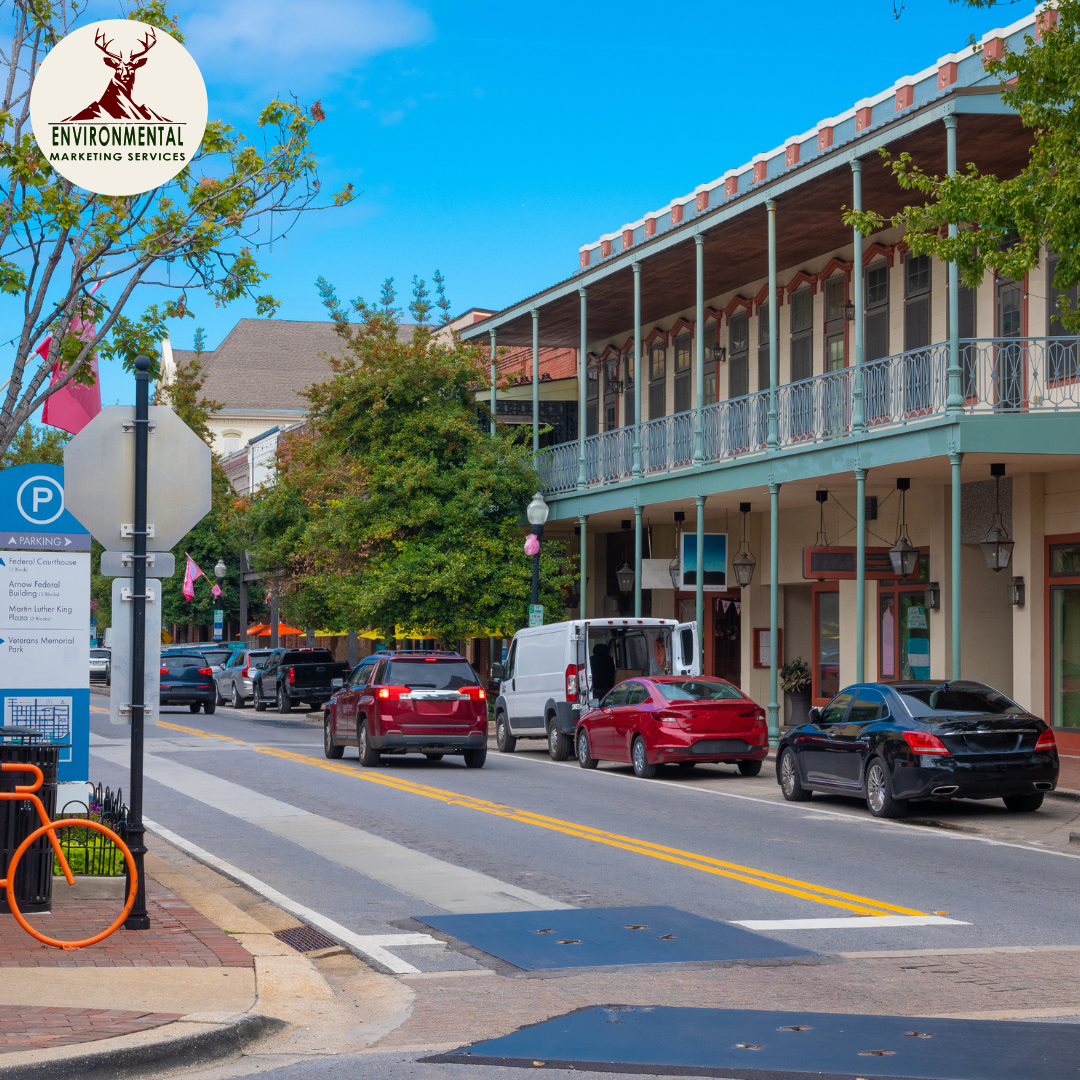
In Pensacola, Florida, the importance of managing hazardous waste is magnified by its beautiful beaches, diverse ecosystems, and tight-knit communities. As residents and businesses interact with the environment in various ways, it’s meaningful to keep these spaces clean and safe. Responsible disposal methods are not just best practices. They are a way to protect future generations.
Understanding Hazardous Waste
To better understand this topic, it helps to know what qualifies as hazardous waste. Hazardous waste includes any material that can be harmful to people or the environment if not disposed of correctly. This can include items like batteries, pesticides, cleaning products, and even leftover paint. Some materials may seem harmless but become risky when they enter natural systems or are mishandled.
In Pensacola, key sources of hazardous waste often stem from industrial activities. Shipyards, chemical facilities, and construction zones regularly deal with materials that require careful handling. At the same time, everyday tasks people do at home also contribute. For example, improperly dumping motor oil or garden chemicals can lead to larger environmental concerns.
When hazardous waste is not managed correctly, it can cause serious problems. Chemicals might seep into the soil and contaminate local water supplies. Wildlife can suffer from exposure to toxic substances, and people can face health risks ranging from respiratory issues to long-term illness. This is why both awareness and action are needed to reduce these risks.
Proper disposal is about more than avoiding damage. It is a way to show care for the community and preserve the region’s natural beauty.
Regulations And Compliance
Managing hazardous waste is as much about legal responsibility as it is about environmental stewardship. In the United States, federal agencies like the Environmental Protection Agency (EPA) play a key role in setting regulations. A major piece of legislation is the Resource Conservation and Recovery Act, commonly referred to as RCRA. This law establishes a framework for proper hazardous waste management, from creation to disposal.
In Florida, the state builds on these federal foundations with additional requirements. Regional agencies pay close attention to areas like Pensacola because of their proximity to sensitive waterways, including the Gulf of Mexico. Both businesses and individuals need to be aware of how local rules may impact their disposal practices.
Failing to follow the law can have harsh consequences. This might include hefty fines, legal action, and reputational damage. In more serious cases, environmental violations can impact business operations and pose risks to public health. That’s why it pays to stay informed and proactive rather than wait until there’s an issue.
Making compliance a core part of operations isn’t just smart, it’s the right thing to do to help maintain a clean and safe community.
Safe Disposal Methods
Handling hazardous waste the right way begins with clear steps. It starts with identifying the materials that qualify as hazardous. Once identified, keep these materials separate from other types of waste. This keeps contamination from spreading and makes processing more efficient and safe.
The containers used for storing hazardous waste are also important. They should be sturdy, leak-proof, and properly labeled. This helps prevent accidents and ensures everyone knows what materials they are dealing with.
Transporting hazardous waste must also follow specific rules to protect those involved and the community. Transport vehicles should meet certain safety standards and drivers should be trained in emergency handling. Once delivered, waste needs to be processed at a facility that is designed to handle harmful materials.
Trying to manage this entire process without professional help is risky. That’s why using certified disposal services makes a major difference. These providers understand the rules and can carry out each step safely. Businesses that use certified services can feel confident that their actions meet both safety and legal expectations.
Choosing The Right Waste Disposal Partner
Not all disposal services are created equal. Selecting the right one can have a big impact on how successfully hazardous waste is handled. A good place to start is checking whether the partner is certified and carries all required permits. This tells you they operate within legal standards.
Experience also matters. A provider that understands the types of waste common to certain industries, such as construction or marine operations, will be more prepared to handle specific challenges. This kind of knowledge reduces the risk of mishaps and ensures smoother service.
Many clients also value a tailored approach. Look for a partner that builds its services to support your unique needs, rather than offering one-size-fits-all solutions. Customization helps create a more efficient and reliable plan that fits your operation.
Sustainability is another key factor. Choose a provider that uses disposal methods focused on minimizing environmental impact. This shows not only regulatory care but also social awareness.
By working with a proven professional, your business can stay focused on its goals while ensuring safe waste management behind the scenes. Reliable partnerships can lead to improved performance, fewer risks, and greater peace of mind.
Helping Pensacola Stay Safe and Sustainable
Keeping Pensacola clean goes well beyond following rules. It involves a community-wide effort that includes smart planning and ongoing action. One of the best things both individuals and businesses can do is stay aware of what they are contributing to the waste stream. Regular audits of waste output can help pinpoint areas for improvement.
Pensacola also supports many helpful community programs. Events like neighborhood cleanups, electronic recycling drives, and hazardous waste collection days make it easier for residents to dispose of items the right way. These local efforts boost participation and raise awareness about proper disposal habits.
Schools, local businesses, and neighborhood groups all have an opportunity to make a difference. Whether it is starting a recycling initiative at a local shop or hosting an educational program, everyone benefits from greater awareness and participation.
The work of protecting Pensacola’s natural spaces is shared by all. When residents and businesses come together, the entire area becomes a safer, healthier place to live, work, and enjoy. With the right knowledge, resources, and partners in place, maintaining safety and sustainability can be part of daily life.
To ensure your hazardous waste is managed with the utmost care and compliance, explore our professional services for hazardous waste. Environmental Marketing Services is committed to helping you protect your community and surroundings by working with experienced professionals who prioritize safe and effective waste handling. Reach out to us to learn how we can support your long-term environmental goals.