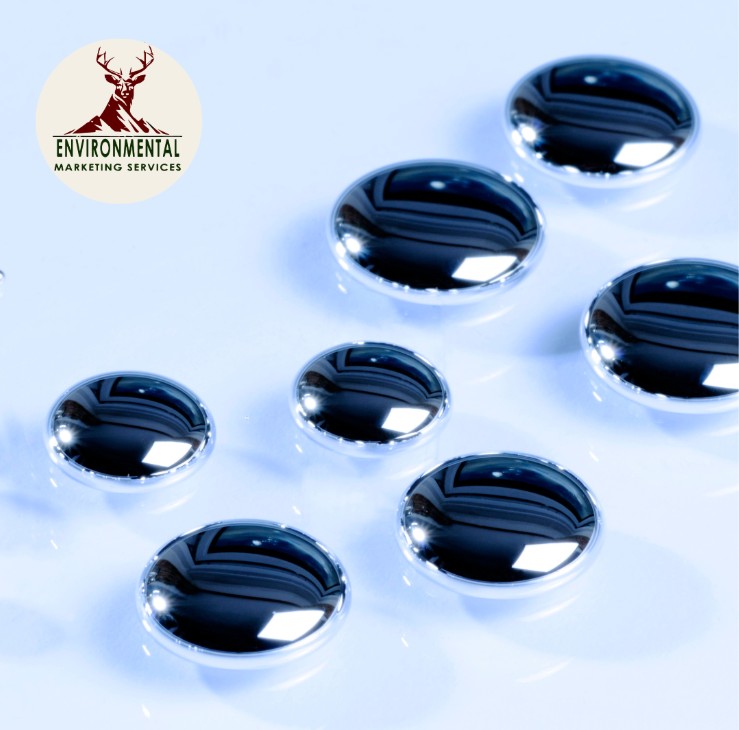
Mercury disposal is not just something to think about once or twice a year. For labs, manufacturing facilities, and chemical storage sites, it is a year-round concern, especially during winter when old equipment is more likely to break. Cold temperatures can lead to unexpected issues like cracked thermometers or busted fluorescent tubes. When they do, there is more than just cleanup involved.
Mercury is dangerous, even in small amounts. It can become a vapor at room temperature, which means it does not stay put. Indoors, that can quickly become a serious problem. Safe disposal is not only about following rules; it is about protecting people who work or visit those spaces.
The right steps can stop long-term damage and take the guesswork out of what to do next. That is why we rely on industry-approved methods, clear labeling, and professional hazardous waste services to manage mercury before it turns into a bigger issue.
Understanding Mercury and Where It’s Found
Mercury is a shiny silver liquid metal. What makes it risky is how easily it can become a gas and move through the air. Unlike many other chemicals, mercury does not need high heat to pose a threat. A simple room-temperature spill is enough to cause harm.
It shows up in more places than most people expect. Many are familiar with older thermometers, but commercial environments carry other risks too. These include:
- Pressure and temperature switches
- Lab instruments with mercury components
- Fluorescent light bulbs
- Older thermostats
- Dental and medical tools
A single broken item might not seem like a big deal. But even small amounts of mercury can release harmful vapors. If left to sit, they can spread far beyond the original spill. Proper cleanup makes all the difference between a small, contained response and a widespread safety issue.
Why Mercury Needs Special Disposal
Mercury does not break down in the environment. Once released, it sticks around. Indoors, this is especially dangerous. Mercury vapor can fill the air quickly, and without good airflow, these gases have nowhere to go. That is why we always take spills seriously, no matter the size.
In workspaces, exposure can harm lungs, brain function, or even affect memory over time. Long-term exposure raises these risks, making careful handling a must in any facility using chemicals. It is not just about the element itself. Mercury waste falls into a few categories:
- Pure elemental mercury
- Mercury-containing items like bulbs or switches
- Items contaminated by contact, like gloves or absorbent pads
Each type needs its own process for storage and disposal. Mixing them together or treating them like regular waste is not just unsafe; it is against the rules. And those rules matter.
Collection and Handling Steps for Mercury Waste
The first step in safe mercury disposal is collection. That means setting aside time and supplies to deal with waste before it builds up. Items are stored in sealed containers, with lids screwed tight and zero leaks. Containers should sit in a well-ventilated spot, away from foot traffic or high areas of activity.
Along with the container, every bit of mercury waste must be clearly labeled. That includes the contents, the hazard level, and a date added. Without that, sorting or pickup could break down fast. We always remind our clients how important this attention to detail is before arranging a pickup.
Local and federal rules come into play here too. The Department of Transportation (DOT) regulates how mercury can be shipped. The Environmental Protection Agency (EPA) tracks what qualifies as universal waste and how that affects handling. Sticking to these guidelines is not just the law; it helps keep people and spaces safe.
Professional Support Makes Mercury Disposal Safer
Handling mercury the right way takes planning and training. That is why licensed teams are so important. We have seen how risky it can be when mercury is cleaned with paper towels or vacuumed. Both make it worse. Trained specialists follow strict steps to stop those problems before they start.
Sometimes that means extra tools, like a spill kit filled with absorbent agents designed for mercury, or using a negative pressure system to keep vapor from escaping into other rooms. These are not items most labs or processing plants keep on hand, but they make a big difference when seconds count.
We provide mercury waste solutions for facilities in a variety of industries, handling both small quantities from labs and larger volumes from commercial sites. Our staff is trained in the latest Environmental Protection Agency and Department of Transportation regulations, ensuring every project meets or exceeds regulatory requirements.
We know the EPA and DOT rules down to the letter, but we do not expect our clients to. That is our role. Letting trained help take over means fewer missed steps and better outcomes all around.
Cleaner Results with Professional Mercury Disposal
Disposing of mercury safely is not only about following rules; it is about creating a space where everyone can work without worry. Services that handle mercury correctly help prevent environmental harm, reduce workplace risks, and avoid legal problems down the line.
Established in 1998, we have built a careful system for collecting, packaging, transporting, and properly disposing of mercury and other hazardous materials, serving businesses across 47 states from our Seneca, South Carolina, headquarters.
It is easy to overlook an old piece of equipment, especially during quiet seasons like midwinter. But the longer mercury sits, the harder it becomes to manage. Having a plan in place and a clear process to follow takes pressure off your team and keeps daily operations running without a hitch.
Stay Safe and Compliant Season After Season
Mercury disposal needs to be handled with care. When it is managed by those who know what to expect, commercial sites stay safer, cleaner, and better prepared for whatever comes next.
At Environmental Marketing Services, we help businesses manage mercury waste safely from start to finish. Whether you are handling old lab gear or broken equipment, acting quickly can prevent small spills from turning into bigger risks.
Our experience with labeling, packaging, and proper storage means nothing gets overlooked. For those needing support with collection or compliance, our hazardous waste services follow strict federal and state guidelines. Contact us today to plan your next disposal safely and confidently.