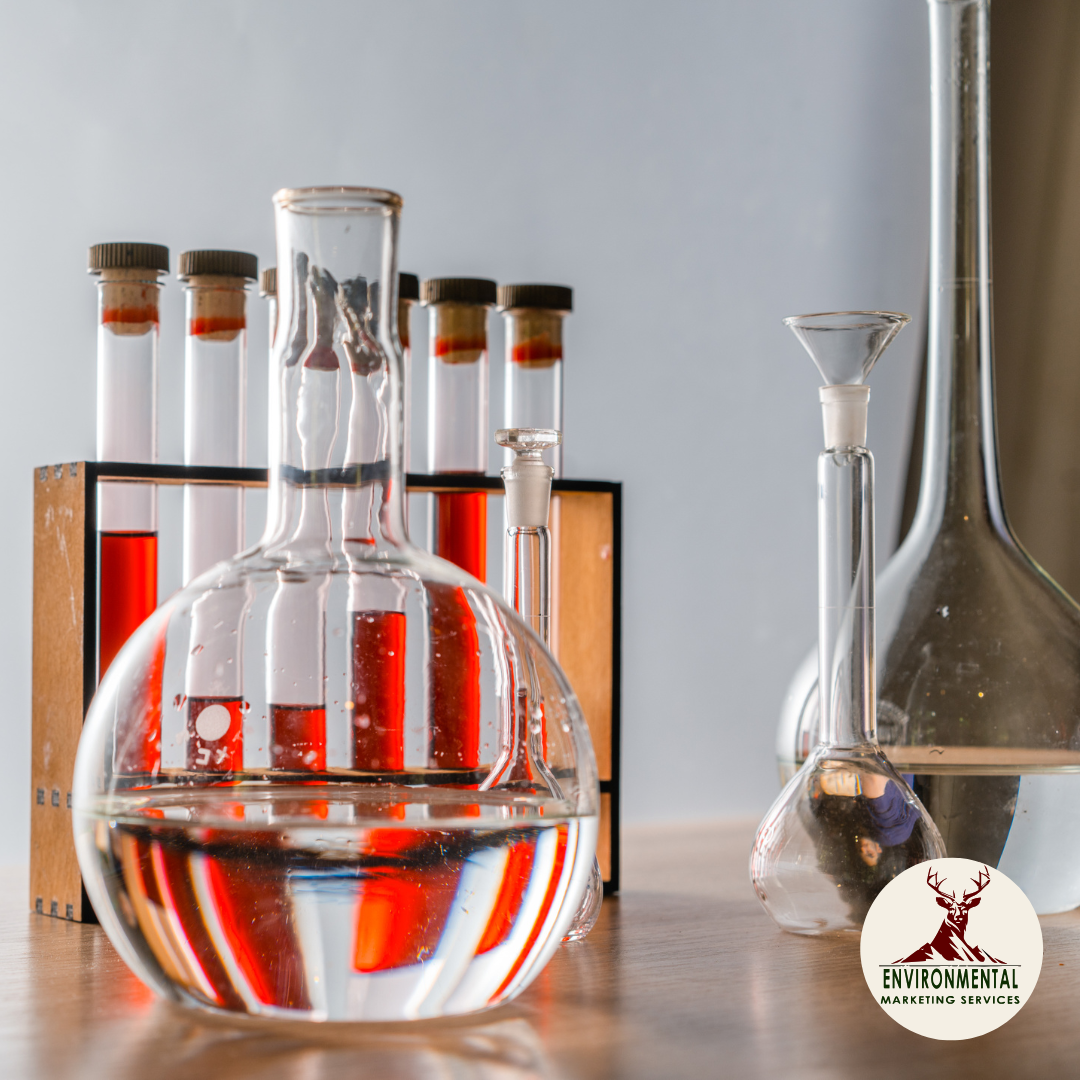
Chemistry labs use lots of materials that can pose risks if they aren’t handled the right way. After tests or research projects wrap up, there’s often leftover waste. This could be anything from small amounts of unused chemicals to broken lab glass or used safety gear. Every item needs its own kind of disposal based on how harmful it is.
Chemistry lab waste disposal is about more than just cleaning up. It’s built around safety, keeping labs working without delays, and sticking to the rules that protect people and the environment. That’s even more important before winter break, when schedules shift and staff may be off for a few weeks. Taking the time to make sure everything is handled properly now helps avoid bigger problems later.
What Counts as Chemistry Lab Waste?
Not all lab waste is the same, and knowing how to sort it is the first step. Something as simple as a used glove or broken pipette needs different handling than a leftover solvent. Here are a few types of waste we run into often:
• Leftover or expired chemicals that are no longer needed
• Used or contaminated gloves and lab coats
• Broken glassware like test tubes or beakers
• Old reagents that have lost their strength or gone out of date
• Filters, rags, or other items used for cleanup that may carry residue
It helps to understand the categories waste can fall into. Hazardous waste is anything that can be flammable, toxic, reactive, or corrosive. This usually includes many common lab chemicals. Non-hazardous waste might include rinse water or outdated materials that aren’t harmful if handled safely. Universal waste covers items like certain batteries or lighting equipment that contain small amounts of hazardous substances but are handled differently under federal guidelines.
The way waste is sorted and labeled from the start can make or break the disposal process. Labels need to be clear and accurate, especially when chemicals are combined or transferred between rooms. Mislabeling or skipping proper steps turns a simple cleanout into a risky situation.
Safe Storage and Handling Before Disposal
Storage areas in a lab do a lot of heavy lifting. They need to be clean, clearly marked, and safe for both long-term and short-term use. Before waste is moved off-site, keeping it in the right spot and in the right way matters just as much as the disposal itself.
Labeling is key. That includes full chemical names (no formulas or abbreviations), hazard warnings, and collection dates. Seals and containers should be secure with no cracks, leaks, or damage. Taped-on notes or hand-written tags aren’t enough when hazardous waste services are involved.
As winter break nears and staffing shifts, it gets even more important to stay ahead of the game. Waste should never be left behind in hallways or under benches. It’s easy to think, “We’ll deal with it after the break,” but colder temperatures, lower monitoring, and weather problems can turn a sloppy storage job into a real hazard.
Common mistakes we see? Stacking incompatible chemicals too close together, mixing liquids without knowing how they react, or letting open containers sit just a little too long. Fixing those choices takes much longer than doing it right the first time. Being proactive with storage helps prevent accidents and keeps everyone safer.
Following Rules and Meeting Lab Requirements
State and federal rules are clear when it comes to lab waste, and they apply everywhere from industrial research centers to high school classrooms. The Environmental Protection Agency (EPA) controls most hazardous waste rules, while transportation agencies set the rules for how waste is moved off-site. Most labs, especially those in schools or government buildings, have even stricter rules layered on top of the national ones.
Different rules apply depending on whether the waste comes from a business, school, or research group. For example, school labs that produce less than a certain amount of hazardous material may qualify as small-quantity generators. Still, that doesn’t mean the rules are optional.
Keeping up with requirements isn’t just about following the law. It helps cut down on accidents and keeps equipment, workspaces, and lab staff clear of trouble. Skipping steps or rushing the process could lead to fines, injuries, or facilities getting shut down, none of which anyone wants to deal with ahead of the holidays. The costs of non-compliance, whether they are monetary, reputational, or safety-related, can add up quickly. Routine training and updated procedures ensure labs are always prepared for inspections and changes in regulations.
When and Why to Call in Lab Waste Professionals
Sometimes, it’s clear that professional help is the right move. If a lab has unknown chemicals, large volumes of waste, or a tight deadline before break, outside support can help keep things safer and smoother.
Professional waste teams are trained to handle the big picture. At Environmental Marketing Services, we are experienced in lab packing, chemical disposal, and the strict documentation needed for regulatory approval. We provide everything from the right containers for different types of chemicals to proper manifest paperwork and inventory services for compliance. We also know how different substances react, how to sort them, and how to complete the transport without disrupting the building.
Working with professionals isn’t just good planning, it’s smart risk management. One wrong move during collection or transport can put people and property in danger. Reliable support means no second guessing, no last-minute scrambling, and no surprises once winter shut-downs begin. Many labs benefit from building a longstanding relationship with professional waste teams, as this helps them identify improvement areas and maintain a safer environment over time.
Ready for Winter: Closing Safely
As labs wind down toward year-end, waste disposal takes on more weight. The last thing anyone wants is to return from winter break and find a leak, a fine, or a full waste room waiting. Even in well-run labs, all it takes is one oversight left behind in December to cause setbacks in January.
By staying on top of labeling, sorting, and storing now, we avoid the rush later. Winter weather, staffing gaps, and holiday breaks change how things flow, but good waste habits stay the same. Making chemistry lab waste disposal part of the closing routine keeps research safe, spaces clean, and schedules on track no matter the time of year. Scheduling waste pickups, double-checking containers, and confirming that nothing is left behind are important steps in the closing process.
Preparing your lab for winter break means keeping waste under control so you can return smoothly in January. We handle every step safely with reliable solutions that fit labs of all sizes, even when time and safety matter most. From containers to paperwork, we manage the process with care. For help with hazardous waste services, contact Environmental Marketing Services today.