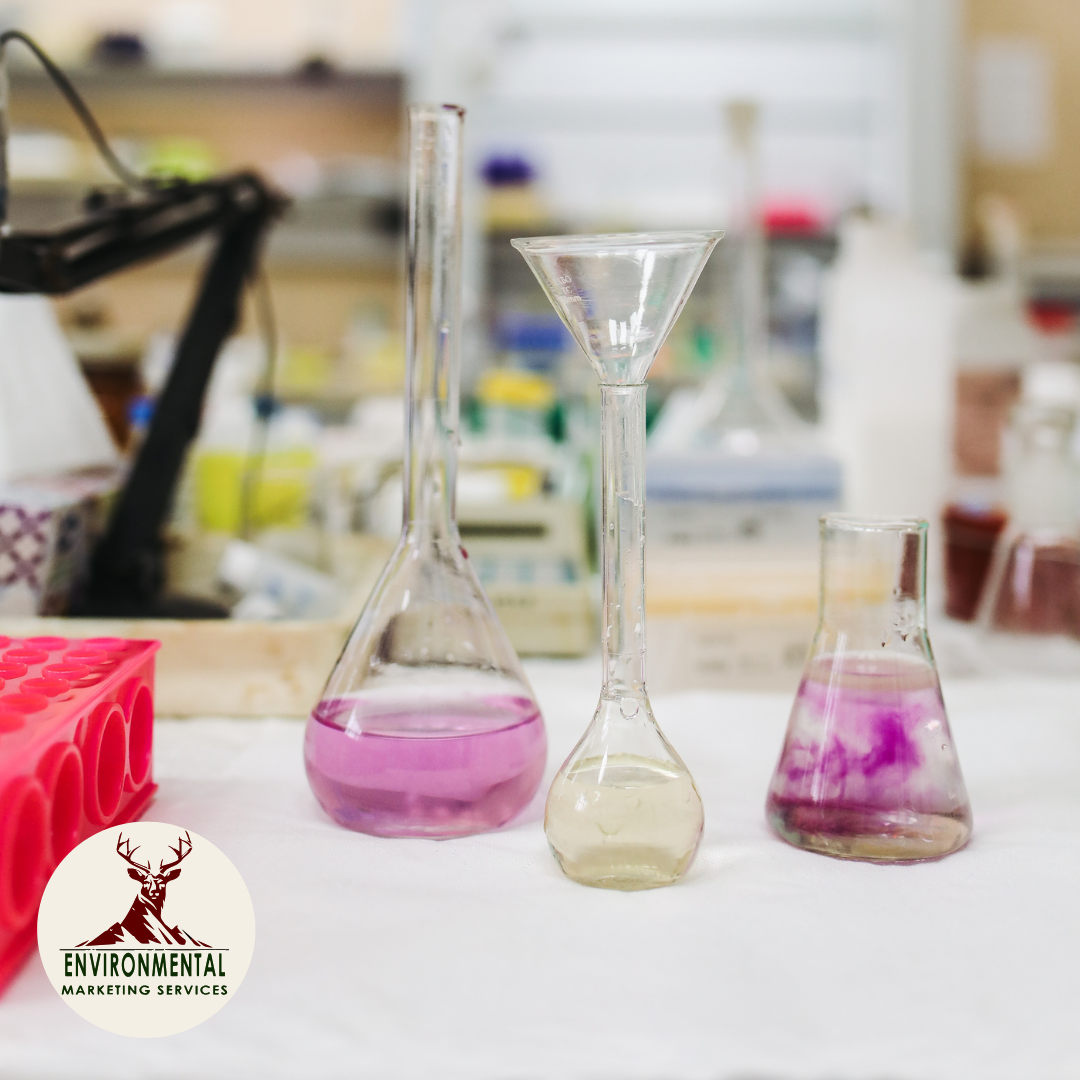
Chemistry labs produce all sorts of waste, and not all of it can be tossed in the trash. From expired chemicals and solvent mixtures to broken glassware that has come in contact with hazardous materials, there is a long list of items that need special attention. Handling this waste the right way keeps people safe and helps protect the environment. It also prevents trouble with rules that are in place to make sure waste does not end up where it should not.
Knowing how to manage different waste types is not just about following steps. It is about building good habits inside the lab. When rules around labeling, storage, and disposal are followed, it gets easier to avoid messes, mix-ups, or dangerous reactions. That is where hazardous waste services come in, and why they matter in every commercial lab setup, big or small.
Understanding the Types of Chemistry Lab Waste
Waste from labs falls into a few common groups. Knowing where something belongs helps make sure it is stored, moved, and disposed of the right way.
• Hazardous waste includes items that are flammable, toxic, corrosive, or reactive. Think of things like acetone, strong acids, or chemicals that produce fumes when exposed to air.
• Non-hazardous waste might still be used in experiments, but it is not dangerous on its own. This could be plastic containers, paper towels, or non-contaminated lab gear.
• Universal waste covers items like batteries, lightbulbs, or electronic devices. Those may seem safe, but they still need special handling.
Classifying these items properly makes a big difference. When labs name waste clearly and group it correctly, there is less chance for accidents. It also helps match the waste with the right containers, storage locations, and disposal methods.
Why Proper Waste Disposal Matters in a Lab Setting
Working with chemicals means there is risk. The wrong mix, a spill, or even a mislabeled container can put people in danger. Eye injuries, skin burns, and toxic fumes are all real concerns. Waste that is not stored or removed the right way only increases the odds.
It is not just about people, though. When chemical waste ends up in the wrong drain or leaks during rain, it can pollute groundwater, soil, or even local streams. That damage adds up quickly, especially near commercial or industrial zones.
Agencies like the Environmental Protection Agency (EPA) set laws to prevent those problems. They also expect labs to follow them. If a lab gets something wrong, like storing flammable liquids next to corrosives, there might be penalties. Staying on the right side of those rules is much easier when labs follow a waste disposal plan matched to their daily work.
Safe Collection and Storage Practices
Keeping waste in check starts with how it is collected. Waste should not just be stored where there is room. Different waste types should be separated from each other at the collection point, whether it is liquids, solids, or sharps.
Labeling cannot be skipped. Every container should clearly show the chemical name, hazard type, and date collected. This avoids confusion, double-checks compatibility, and makes inspections smoother. Simple printed labels often work best.
Storage conditions matter just as much. Sealed containers prevent leaks and stop fumes from spreading. Keeping storage areas cool and dry helps avoid chemical reactions. Labs should regularly check their waste containers, too. If caps go missing or labels bleed from moisture, it is time to fix it. Preventing even one leak makes a big difference in safety.
It is a good idea for labs to designate a specific area for waste accumulation, separate from where experiments are conducted. This keeps waste out of busy workspaces and makes monitoring easier. Waste containers should always be kept closed unless waste is actively being added. Inspections conducted on a regular schedule help identify problems early and reduce the risk of hazardous conditions developing over time.
If labs are collecting sharps or broken glass, they should use puncture-resistant containers. These should be labeled as “sharps” and never be overfilled. Minimizing the risk of cuts or exposure to residual chemicals keeps everyone safer while handling disposal.
Choosing the Right Waste Disposal Partner
A lab can manage collection and storage, but getting the waste off-site is another matter. Chemical waste cannot be tossed into a dumpster or flushed away. It needs to be moved by people with the right licenses and tools.
Good disposal partners do not just pick up boxes. They check that containers are safe for transport, and they often help labs stay inside the rules. That might include meeting federal guidelines or helping prepare shipping paperwork.
Scheduling pickups regularly keeps waste from piling up. When expired chemicals sit for too long, they begin to lose stability. Regular removal makes the workspace safer and helps reduce buildup that could lead to errors or mixed materials.
We hold the required permits and transport certifications for hazardous waste across 47 states. Our team provides specialist assistance for labs of all sizes, including those with unknowns or legacy chemicals found during cleanouts.
Seasonal Notes for Fall Lab Cleanouts
Fall is a smart time to take stock of waste and supplies before things slow down over the holidays. This season is cooler, which lowers the heat-related risks of transporting flammable or volatile chemicals.
By late November, many labs receive fewer shipments and prepare for end-of-year downtime. It is the perfect window to look through expired products, clear storage shelves, and reset for winter. Scheduling cleanouts ahead of time avoids the last-minute rush during holiday closures, when staff may be limited or transport harder to schedule.
Cooler weather also means less stress on containers during transit. On hot days, pressure inside sealed waste drums can rise. In late fall, this is not as likely, which adds a layer of safety when materials are moved from site to site.
We also offer scheduled pickups and on-call waste removal, adapting our services to meet client needs throughout peak seasons and during facilities’ slower periods.
Keeping Your Lab Safe and On Track
Safe chemical waste management in commercial labs is about more than following regulations. It is about creating a workspace that supports productivity, protects people, and cares for the environment. The best practices, clear labeling, secure containers, and timely removal, form the backbone of a responsible lab routine.
At Environmental Marketing Services, we help commercial labs keep their spaces safe and compliant by managing waste with careful attention and planning. Whether you are organizing a seasonal cleanout or handling ongoing disposal needs, having the right tools in place makes the job smoother. Staying ahead of risks means understanding how to collect, label, and store materials the right way and making cleanup part of your regular routine. To see how our hazardous waste services fit into a safe disposal plan, contact us today.