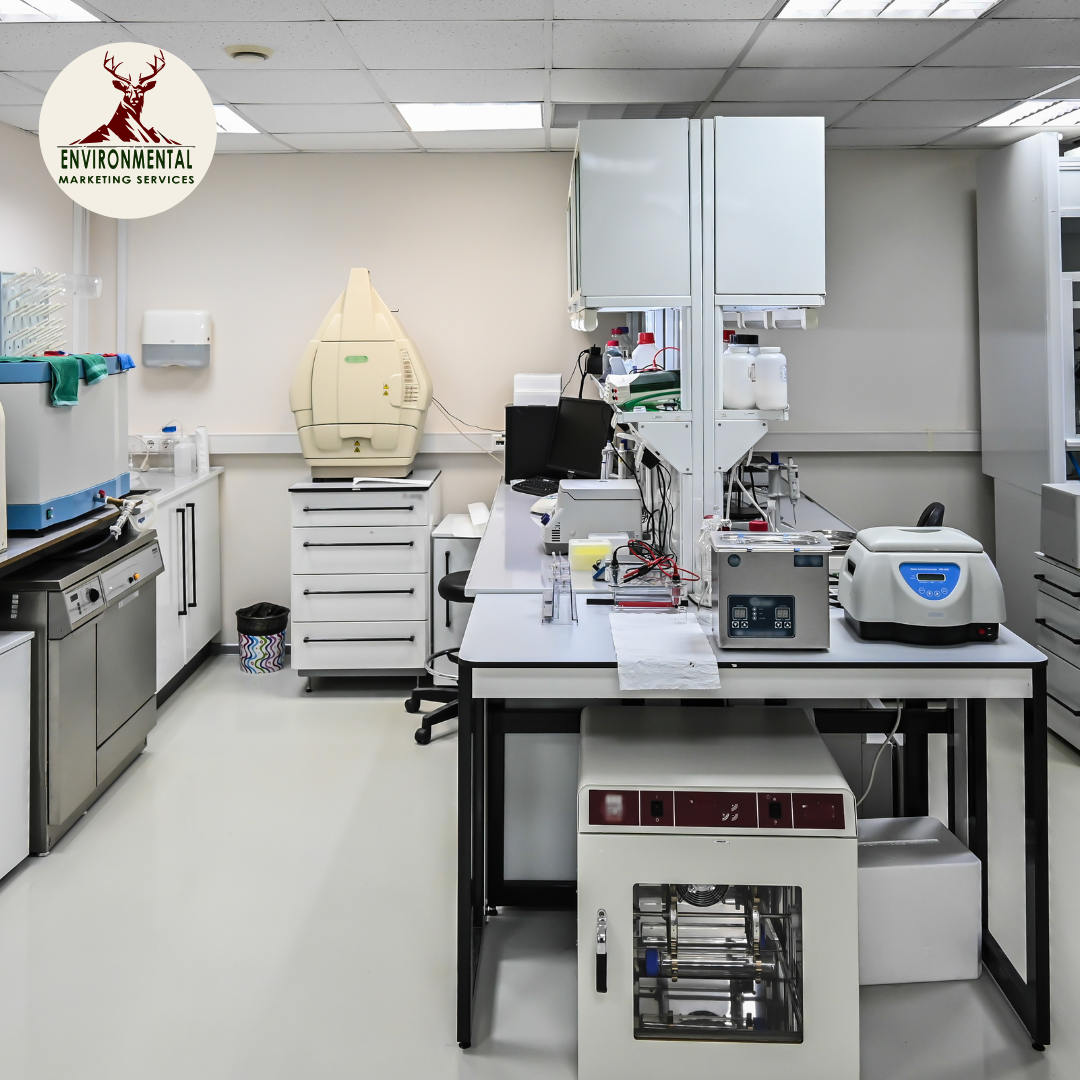
Proper disposal of chemicals in laboratories is crucial to ensuring safety for both the environment and laboratory personnel. Handling chemicals safely not only safeguards human health but also prevents potential environmental contamination. Laboratories often contain a wide range of chemical processes that generate waste materials. Without appropriate disposal protocols in place, these materials can quickly become dangerous.
In any laboratory setting, the importance of correct chemical disposal practices cannot be overstated. By adopting standardized methods for managing chemical waste, laboratory staff can promote a safe working environment, maintain regulatory compliance, and protect natural ecosystems. The first step toward safe practices is recognizing which chemicals are hazardous and how to reduce the risks they present.
Identifying Hazardous Chemicals
Laboratories often deal with a mix of chemical substances, and it’s important to understand which ones are considered hazardous. Common hazardous chemicals include acids, bases, solvents, and reactive agents. Acids and bases have the potential to cause severe burns and damage to equipment and property. Solvents may release vapors that harm indoor air quality and pose health risks. Reactive chemicals can ignite or explode under certain conditions, leading to severe injuries or equipment loss.
Improper disposal methods add to the danger. For example, pouring solvents down the drain risks polluting local water supplies. Mixing incompatible chemical waste can result in unexpected and dangerous reactions. Even a small oversight can have serious consequences, so laboratories should implement clear identification procedures such as:
– Inventory management: Maintain an up-to-date list of all chemicals, including their properties and potential hazards.
– Material Safety Data Sheets (MSDS): Reference these for specific handling and disposal details related to each substance.
– Training and education: Ensure all personnel can identify hazardous materials and follow safety protocols.
Identifying risks early helps prevent accidents, promotes accountability, and builds a safety-first culture in the lab.
Proper Storage Practices Before Disposal
Appropriate storage is an often overlooked step in hazardous waste management, but it plays a major role in preventing incidents before the actual disposal process begins. Chemicals need to be stored with care to avoid leaks, harmful exposure, and dangerous reactions.
One of the simplest yet most effective practices is clearly labeling each container. Labels should include details such as the chemical name, concentration, acquisition date, and relevant hazards. This helps all team members quickly recognize the material and take the correct precautions.
Segregation is another key element. Storing incompatible substances in the same area can result in harmful reactions. For instance, acids should be kept away from bases, and oxidizers should be separated from flammable materials. Grouping each type of chemical by compatibility supports both safety and organization in the lab.
When temporary storage becomes necessary, keep these best practices in mind:
– Ventilation: Make sure storage rooms and cabinets allow for sufficient airflow to minimize vapor buildup.
– Security: Store chemicals in locations with restricted access to prevent unauthorized handling.
– Inspection: Conduct frequent inspections for leaks, signs of corrosion, or expired products.
By putting these steps into practice, labs can manage hazardous substances with a higher level of control and reduce risks well before disposal occurs.
Safe Disposal Methods for Laboratory Chemicals
Chemical disposal must align with both safety procedures and environmental guidelines. No single method works for all substances, so the approach should depend on the chemical’s class, volume, and hazard rating. Some of the most effective methods for safe disposal include:
– Neutralization: This technique is commonly used for acids and bases. When neutralized properly, they form less harmful substances that pose fewer risks during disposal.
– Incineration: High-temperature incineration is appropriate for certain organic wastes. The heat breaks them down into simpler compounds, making them safer to manage.
– Chemical treatment: Some waste products may be altered chemically before disposal to reduce their hazardous nature.
To apply these methods safely, proper preparation and documentation are required:
1. Preparation: Sort the waste according to how it will be treated, ensuring different types are kept separate.
2. Documentation: Keep accurate records of what is being disposed of, including its quantity, identity, and date.
3. Collaboration: Partner with certified disposal companies that follow both local and federal safety and environmental laws.
Professional disposal teams understand how to manage chemical waste without exposing people or the environment to danger. Labs that depend on expert service gain peace of mind, avoid penalties, and protect their reputation.
Regulatory Compliance and Environmental Responsibility
Regulation plays a large role in chemical waste management. Laboratories must follow strict rules that govern storage, transportation, and disposal. Laws vary by region, but common regulations are enforced by agencies that aim to limit the impact of hazardous substances on people and natural ecosystems.
Being aware of these legal requirements helps laboratories avoid fines, legal issues, and environmental damage. Compliance also ensures that staff operate with transparency and accountability. Some laboratories go beyond compliance by choosing to make environmentally responsible decisions, such as:
– Recycling chemicals when possible
– Using less hazardous alternatives in processes
– Updating storage and disposal procedures regularly
Choosing environmentally safer options supports community health and reflects a lab’s long-term commitment to sustainability.
Labs that take responsibility for how they handle chemical waste are showing leadership within their field. That commitment builds trust with staff, visitors, and regulatory inspectors alike.
Protecting Both Your Laboratory and the Environment
Laboratories that use professional services for hazardous waste management benefit from specialized knowledge, dependable processes, and the peace of knowing chemicals are handled in the safest way possible. That support allows laboratory staff to focus on their work while staying confident that their disposal process aligns with safety standards.
Environmental Marketing Services helps laboratories maintain compliance, avoid accidents, and protect shared resources. With a skilled understanding of handling, storage, and disposal, our team ensures your facility stays organized, safe, and committed to responsible chemical management.
Ensuring the efficient management of hazardous materials is key to maintaining a controlled and compliant laboratory environment. To support your facility’s safety goals, explore our comprehensive services for hazardous waste. Environmental Marketing Services is committed to helping you manage chemical waste safely and responsibly.