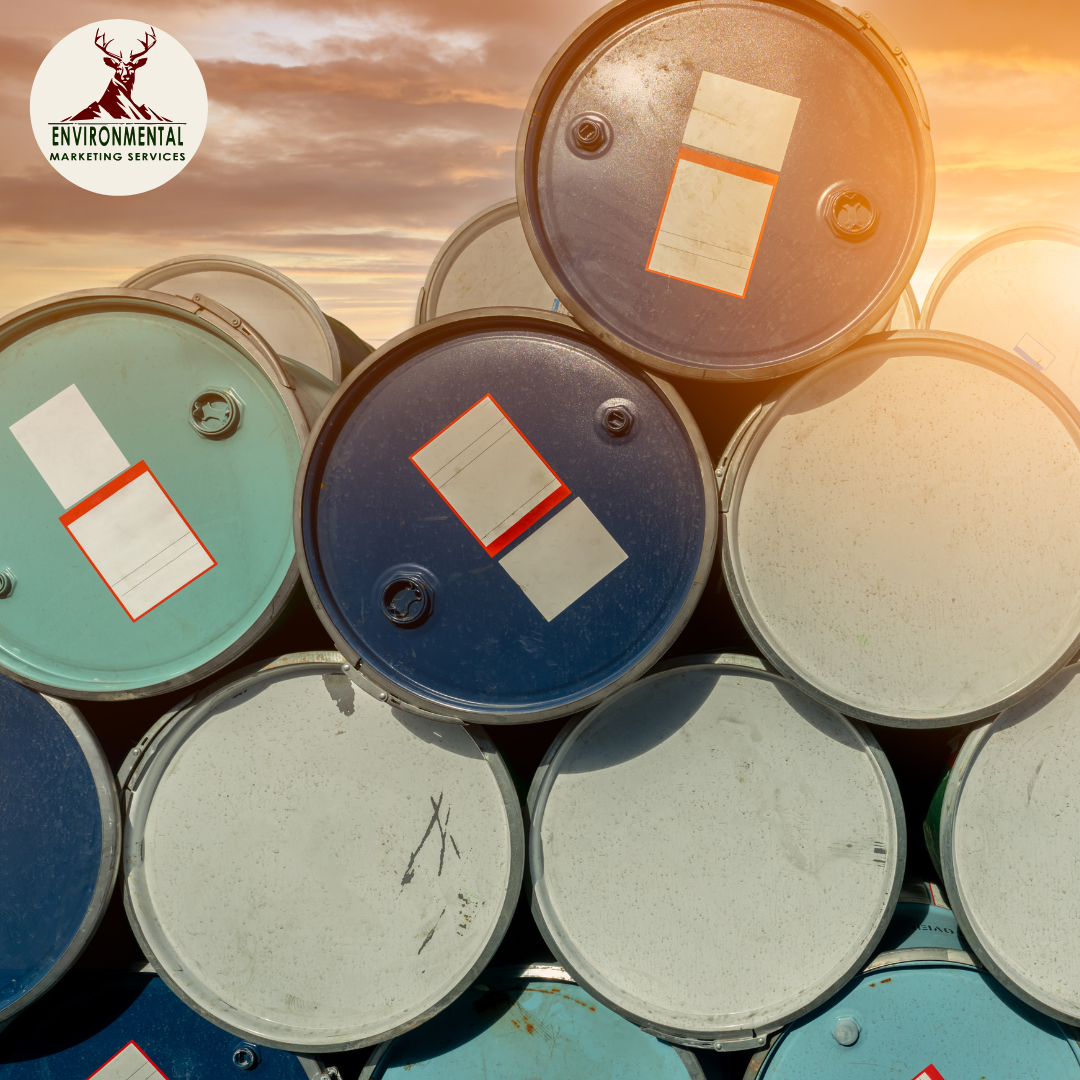
Everyday life generates waste, some of which poses significant risks to our health and the environment if not handled properly. Hazardous waste includes materials that are flammable, toxic, corrosive, or reactive, and require special disposal procedures to ensure safety. Understanding the importance of hazardous waste management is the first step to ensuring it doesn’t harm people or wildlife.
Proper management of hazardous waste involves knowing how to identify it and implement safe disposal methods. This process protects not only the environment but also public health. With the right systems in place and by following strict regulations, communities can effectively address the challenges posed by hazardous materials.
Identifying Hazardous Waste
Recognizing hazardous waste is a key part of managing it correctly. There are several types to be aware of, each with distinct properties and risks.
1. Flammable Materials: These ignite easily and include gasoline, paint thinners, and certain cleaning solvents.
2. Corrosives: These substances can damage skin, metal, or other materials. Common examples are acids and bases used in industrial or cleaning products.
3. Toxic Waste: This includes items like pesticides, lead, and mercury that can cause harm when inhaled, ingested, or absorbed.
4. Reactive Substances: These are unstable under normal conditions and may cause explosions or toxic fumes. Examples include lithium batteries and some pool chemicals.
These hazardous materials are not limited to industrial facilities. Many homes contain them as well. Old batteries, leftover paint, bleach, aerosol cans, and motor oil are found in garages, basements, or cupboards. Learning how to recognize these materials is a step toward safer handling and disposal.
Improper handling or disposal can lead to fires, soil or water contamination, and health issues. By identifying waste properly, families and businesses can help reduce long-term consequences for the environment and public safety.
Methods for Safe Hazardous Disposal
Disposing of hazardous waste safely takes more than just throwing it in the trash. Several methods are used depending on the type of waste being managed.
Chemical treatment can neutralize or break down hazardous substances into safer compounds. Neutralization works well for acidic or alkaline waste, bringing it to a pH level that no longer poses a risk. Oxidation is used to destroy dangerous elements by turning them into less harmful byproducts.
Incineration involves burning hazardous waste at high temperatures. This process reduces its volume significantly and can destroy harmful contaminants. However, proper air pollution controls must be in place to avoid releasing toxic emissions. It works well for waste that cannot be treated chemically, especially items that are toxic or infectious.
Secure landfills are used when waste cannot be safely treated or burned. These landfills are engineered to isolate hazardous materials with layers of protective lining and leachate collection systems. This design prevents toxins from reaching the soil or groundwater. They are monitored closely to detect any signs of leaks or structural failure.
Each method has specific use cases depending on waste characteristics, volume, and regulatory requirements. Choosing the right disposal method greatly reduces long-term risks and ensures compliance with environmental safety practices.
Legal Regulations and Compliance
Hazardous waste management is heavily regulated to protect people and the environment. These laws outline how waste must be identified, handled, stored, transported, and discarded.
Most regulations include rules for labeling hazardous materials, maintaining proper storage, and documenting all steps of the disposal process. Generators of hazardous waste must also file reports and maintain records to demonstrate accountability.
Failure to comply with these legal standards can harm communities and result in costly fines or legal action. Businesses must ensure their procedures align with local, state, and federal guidelines.
Staying compliant means conducting regular audits and training staff who handle hazardous waste. Compliance also involves staying informed about changes in laws and updating procedures accordingly. A well-documented system helps ensure that handling is both lawful and safe from start to finish.
Seeking Professional Hazardous Waste Services
Managing hazardous waste involves careful planning and expert knowledge. Many businesses turn to professional hazardous waste disposal services to ensure proper handling from identification to final disposal.
Professional services offer trained staff who understand how to manage different types of waste in compliance with all laws. They also have access to specialized equipment and facilities that are certified for safe disposal. This adds a layer of safety businesses cannot achieve on their own.
By hiring professionals, companies reduce liability and improve their environmental responsibility. These services also offer the documentation needed to prove compliance for inspections and audits.
Environmental Marketing Services provides tailored support to businesses across various industries. With experience in regulatory standards and safe handling practices, our team helps companies reduce risks and implement better solutions for hazardous waste disposal.
Looking Ahead: The Future of Hazardous Waste Management
Hazardous waste management continues to evolve as new technology and sustainable practices become more available. Forward-thinking methods promote cleaner, safer outcomes both for organizations and their surrounding communities.
One trend is more accurate and automated identification of hazardous waste through digital tracking systems and sensors. These tools allow quicker classification and ensure that waste is processed using appropriate methods.
Recycling and resource recovery are becoming more common, with some hazardous substances being decontaminated and reused safely. For instance, recovered solvents or metals can be purified and repurposed, reducing the reliance on raw materials and conserving space in landfills.
Sustainability practices encourage waste minimization at the source. Businesses are streamlining operations, improving materials management, and opting for greener alternatives to reduce the need for hazardous products altogether.
Keeping pace with these advancements ensures businesses are ready for future regulations and consumer expectations. Cleaner and safer waste handling is more than a requirement. It is a long-term investment in both environmental preservation and operational reliability.
Effective management of hazardous waste is not just about compliance; it’s about safeguarding our communities and environment for future generations. If you require expert support in managing complex waste needs, explore our hazardous waste services through Environmental Marketing Services. Our experienced team can guide you through sustainable practices and regulations, ensuring a safer, cleaner approach to waste disposal.