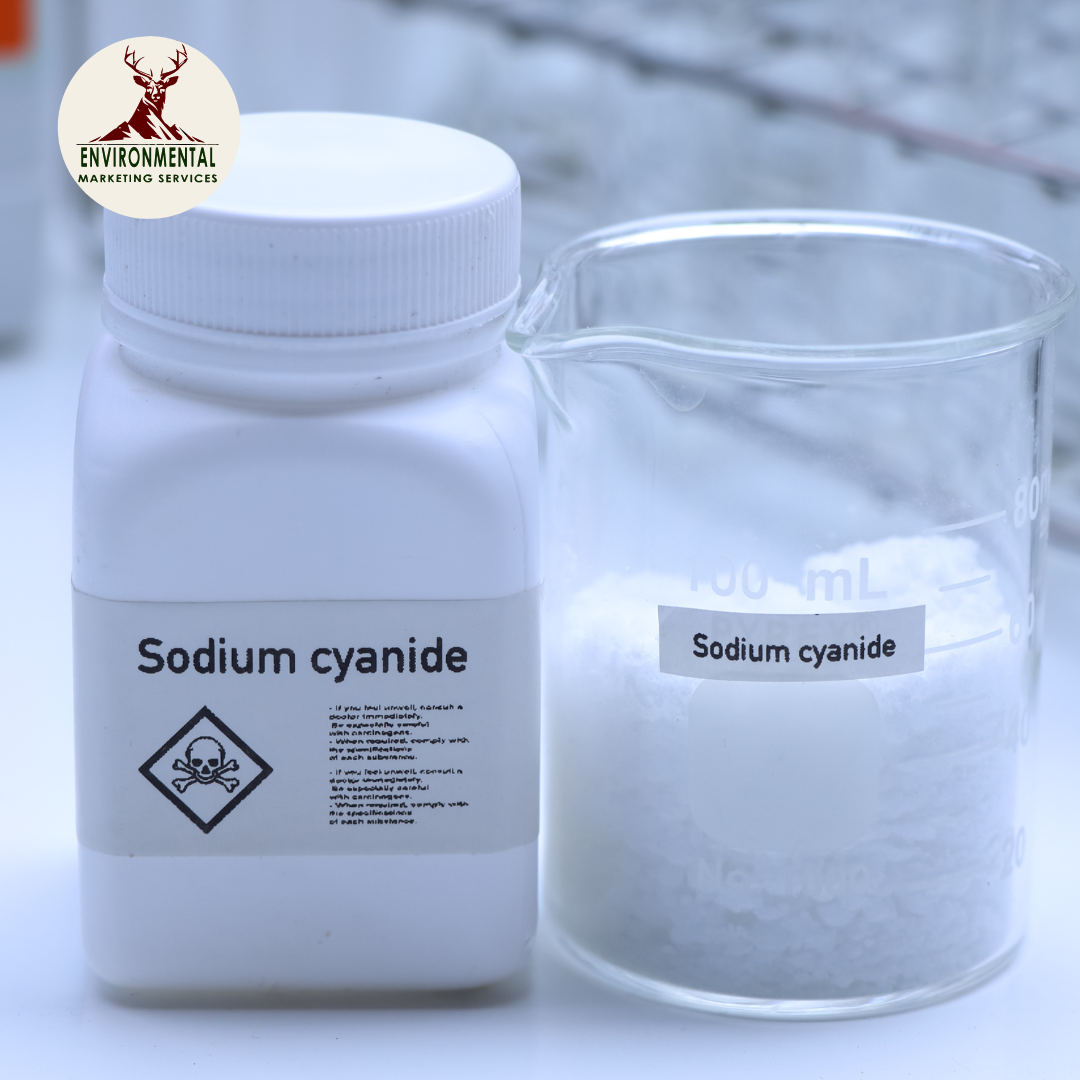
Lab waste disposal means safely getting rid of the materials a lab no longer needs. That includes chemical leftovers, broken tools, used samples, and other byproducts from lab work. When handled the right way, waste does not pile up or cause problems. If it is done wrong, it can lead to injuries, chemical reactions, or even shutdowns.
Labs use a mix of chemicals and materials that need special attention. Some are toxic, others are flammable, and some might be sharp or infectious. That is why having a clear disposal process matters so much. When we use hazardous waste services that meet safety rules, we protect people and keep the lab on track.
Understanding Common Types of Lab Waste
Not all lab waste is the same. Some items can go through standard disposal, but others pose a bigger risk. Knowing the categories helps us choose the safest path.
• Hazardous waste includes old solvents, acids, heavy metal solutions, and flammable liquids.
• Non-hazardous waste might be paper towels, packaging, or rinsed glassware with no chemicals.
• Biological waste can include used petri dishes, cultures, or body fluid samples.
• Sharps are anything sharp enough to puncture skin, like needles, blades, or broken glass.
Each group needs its own container and method. Mixing a sharp object into a bag of soft waste can injure someone. Pouring a spent acid into the wrong bottle might spark a reaction. That is why sorting waste at the source is safer and more reliable than trying to fix mistakes after the fact.
Safe Handling Before Disposal
Even before the waste gets moved off-site, it must be handled with care. Safe storage and labeling help others know what they are touching and where it needs to go.
• Put every waste type in its own labeled container.
• Make sure containers are strong, closed tightly, and leak-free.
• Keep labels clear and permanent so nothing gets misread or worn off.
Lab staff play a key role here. Everyone handling waste should know the steps and follow them without shortcuts. Spills and mix-ups often happen when someone rushes or assumes a material is harmless.
Waste storage areas need regular cleaning. When bins overflow or sit in hot, crowded rooms, safety risks climb. Keeping these zones clear and orderly makes everyone’s workday safer.
Regulations and Compliance in Lab Waste
Labs cannot just toss waste wherever they want. State and federal rules outline how it must be stored, moved, and disposed of. These rules come from agencies like the EPA and DOT, and they are designed to protect health, safety, and the environment.
By staying compliant, labs avoid fines and reduce risk. That means:
• Keeping reliable records of what is stored and where.
• Using approved containers and labeling standards.
• Training all staff to follow current waste handling policies.
Regulations can change as new chemicals, tools, and risks appear. Making regular training part of lab routines is a smart idea. When everyone knows the current expectations, labs can stay ready and safe.
Choosing the Right Disposal Partner
Many labs do not handle the final disposal on their own. Instead, they work with licensed professionals who specialize in waste pickup and removal. Choosing the right partner makes the process easier and safer.
We look for these qualities in a waste service partner:
• Knowledge of state and federal waste rules.
• Licensed transportation of hazardous or sensitive materials.
• Services that include clear recordkeeping, labeling, and container pickup.
• Options like lab packing or scheduled pickups that match our day-to-day needs.
Environmental Marketing Services offers lab packing, chemical identification, and containerization as part of their full-service hazardous waste disposal, which follows EPA and DOT guidelines for compliance and safety. The company also handles universal waste such as batteries and fluorescent lamps and offers scheduled or on-demand pickups throughout 47 states.
Working with disposal experts means we do not have to second-guess steps or guess what goes where. This keeps us organized and focused on the work we are meant to do, instead of managing waste full-time.
Why Every Season Calls for a Waste Check
A lab’s pace often shifts with the season. Winter might mean more indoor chemical use or supply buildup, while spring is reserved for new projects and cleanup. That makes early February a smart time to review how waste is handled.
Cold weather can affect how we store certain chemicals. Some may freeze, separate, or build pressure in their containers. Others may need warmer storage to stay stable before pickup.
Regular checks should not wait for problems to appear. A seasonal review helps us catch what is out of date, what needs removal, and whether any changes are needed as the weather shifts. Waste plans are not one-time setups. They work best when reviewed often.
Keep Your Lab Safe, Clean, and Focused Year-Round
Handling lab waste the right way is about more than following rules. It is the way to protect the people who make the lab run and keep the work environment safe and steady. Good waste practices help avoid unnecessary risks and keep the lab ready for new projects.
With professional guidance and a flexible approach, labs can prevent compliance headaches and keep their teams safer. Scheduled, seasonal, and specialized services from Environmental Marketing Services allow labs to focus on their research and daily work, knowing their waste is handled responsibly.
At Environmental Marketing Services, we help labs stay on track by handling waste properly, from sorting and storage to pickup and disposal. Staying compliant means more than just checking boxes, it keeps your team safe and your workspace running smoothly. When it comes to chemical waste, medical materials, or broken lab tools, our experience helps avoid risky mistakes and delays. We simplify cleanup by offering solutions through our hazardous waste services. Contact us today to set up a safer, smarter plan for your lab waste.