Laboratories are hubs of innovation and exploration, filled with diverse types of chemicals. These substances are essential for experiments, yet require careful handling when they are no longer needed. Disposing of laboratory chemicals in a safe manner ensures that harmful substances do not seep into the environment or pose risks to human health. By understanding proper disposal methods, we help maintain the integrity of research and protect the ecosystem.
The goal of this article is to explain how to safely and properly dispose of laboratory chemicals. Whether you work in a large research facility or oversee a small academic lab, understanding and applying safe chemical disposal practices can prevent accidents, reduce harm to the environment, and support compliance with safety laws.
Understanding Laboratory Chemicals
Laboratories work with a wide variety of chemicals, ranging from common acids and bases to more complex solvents and reactive compounds. Each class of chemical has its own hazards and specific handling requirements. Strong acids, for example, can damage skin or equipment on contact. Bases can burn tissue and corrode materials. Solvents often produce toxic vapors that can affect both lab workers and air quality. Reactive materials may ignite or explode if exposed to incompatible substances, heat, or air.
Disposing of these chemicals improperly poses serious risks. Pouring reactive chemicals down the drain or mixing them together can result in dangerous laboratory incidents. Over time, incorrectly discarded chemicals can contaminate soil and water sources, leading to long-term health and environmental effects.
It is key for lab workers to not only recognize each chemical’s properties but also know the proper way to handle and store them during and after use. For example, a high school chemistry teacher will need to ensure expired chemicals or those used in an experiment are never poured into a sink without proper neutralization and collection for disposal.
Procedures for Safe Chemical Disposal
Managing chemical disposal safely starts with a few critical procedures, each designed to lower risk and promote efficiency.
1. Identification and Segregation
Begin by identifying all chemical substances present in the laboratory. Maintain an up-to-date inventory that includes the substance name, chemical composition, potential hazards, and expiration date. Once each chemical is identified, segregate them according to compatibility groups. This helps prevent hazardous reactions and makes disposal more manageable.
2. Safe Packaging and Labeling
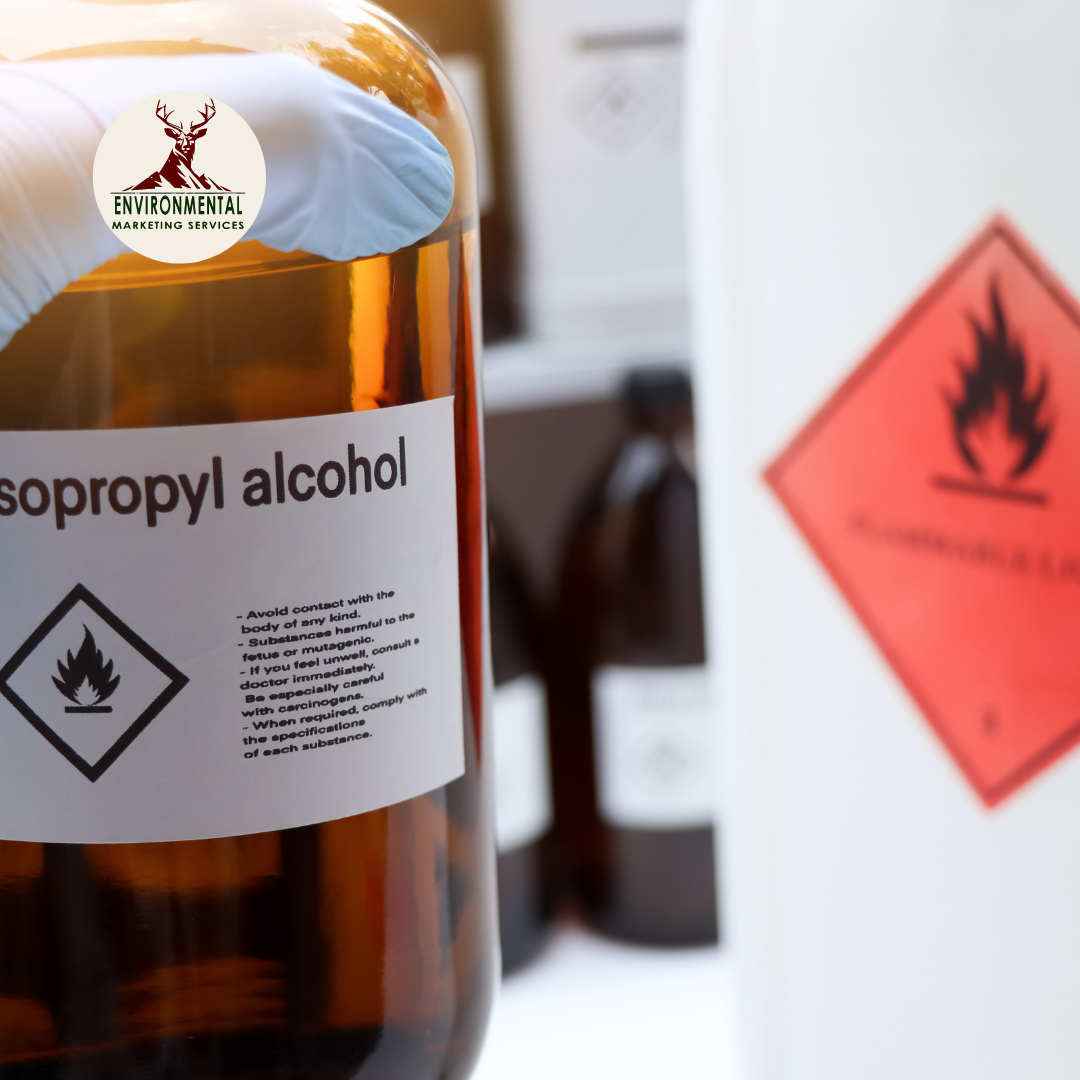
Use the correct containers for each chemical, making sure they are compatible with the substances they hold. Leaking or corroded packaging can cause spills, trigger harmful reactions, or release toxic vapors. Once packaged, label each container with information including the chemical name, hazard type, handling precautions, and date of packaging. Clear labeling prevents mix-ups and helps disposal professionals handle the waste accurately.
3. Temporary Storage
Designate a secure, dry, and well-ventilated space within your facility where waste chemicals can be stored while waiting for final disposal. Keep this storage area restricted to authorized personnel only. Chemicals must be stored upright, sealed tightly, and organized in a way that avoids exposure to light, moisture, or incompatible substances.
Following these steps consistently reduces the chance of accidents and ensures that the waste can be handled properly by disposal experts.
Legal and Environmental Regulations
The disposal of laboratory chemicals is regulated by local, state, and federal laws to reduce environmental impact and safeguard public health. Each agency sets standards for labeling, handling, transporting, and disposing of hazardous materials. In the United States, the Environmental Protection Agency (EPA) and the Department of Transportation (DOT) are two primary authorities that oversee waste protocols for laboratories.
Adhering to these regulations is not just about legal protection. It’s a foundational part of being a responsible organization that respects the greater community. Noncompliance can lead to costly penalties and potentially harmful exposure or pollution. Understanding the legal responsibilities that come with laboratory waste disposal helps keep operations smooth and reduces unnecessary risks.
For example, some substances may fall under hazardous waste classifications and require specific documentation, permitting, and reporting. Laboratories must make sure that each step, from labeling through transportation, complies with these expectations.
Choosing a Professional Disposal Service
Chemical disposal requires expert knowledge, proper equipment, and awareness of legal restrictions. Hiring a professional disposal service offers clear advantages and provides peace of mind.
– Expertise and Training
Trained professionals have experience dealing with all classes of chemical waste and stay informed about the latest safety standards. Their background allows them to assess, classify, and manage hazardous materials accurately.
– Safety and Compliance
A dependable provider makes sure that all disposal actions meet regulatory requirements. This helps laboratories avoid legal risks and protects the health of employees, the public, and the environment.
– Convenience
Disposing of chemical waste can be time-consuming and technically demanding. By hiring professionals, laboratories free up internal resources and reduce the burden on their staff.
When choosing a chemical disposal partner, look for licensed and certified professionals with a well-documented track record. Make sure they offer solutions that fit your lab’s chemical profile and are transparent about their methods and recordkeeping processes.
Environmental Marketing Services supports laboratories by handling chemical waste safely and responsibly, keeping safety and compliance at the forefront of every task we perform.
Protecting Your Lab and the Environment
Creating a safe laboratory environment is an ongoing effort. Proper chemical waste management lowers exposure risks, keeps laboratories running effectively, and reflects a strong commitment to environmental safety.
Here are a few best practices to promote a safer and environmentally responsible lab:
– Conduct regular safety training for all staff handling chemicals
– Keep safety protocols up to date and easily accessible
– Use proper containers and clear labels for all substances
– Separate waste by compatibility type and risk level
– Use checklists to track all steps from chemical use to final disposal
These efforts do not just make the lab safer in the short term. Over time, they build a stronger safety culture that enhances lab productivity and protects both people and natural ecosystems.
A well-maintained waste system also prepares your lab for audits or inspections and shows that your organization takes compliance seriously.
Ensuring Safety with Expertise
Effective laboratory chemical disposal demands a detailed understanding of materials, risks, and safe handling methods. When managed correctly, it protects people, property, and the environment.
At Environmental Marketing Services, we dedicate our work to helping laboratories maintain compliance, promote safety, and meet environmental protection goals. Our experience makes managing even the most sensitive chemical waste types a safer and more straightforward process.
For anyone tasked with laboratory safety or waste oversight, recognizing when to involve expertise can make all the difference. Appropriate disposal strategies aren’t just a policy requirement. They reflect a broader commitment to health, safety, and the proper stewardship of the natural world.
Maintaining proper disposal practices is key to a safe and efficient laboratory environment. For laboratories looking to manage waste responsibly, explore our services for hazardous waste. Environmental Marketing Services provides dependable support to help you meet regulatory requirements while protecting your team and the environment.