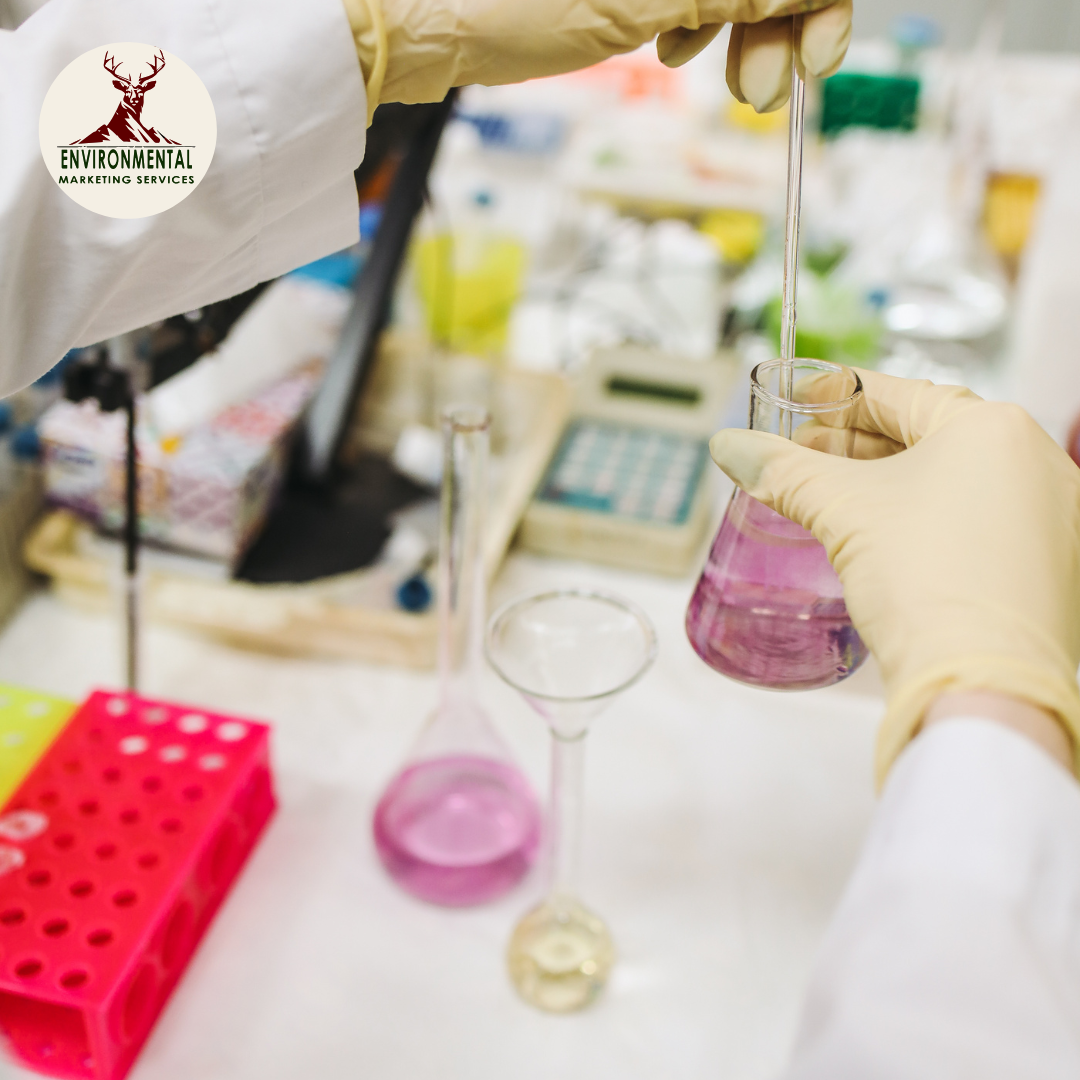
Laboratory chemical disposal is more than just getting rid of old bottles. It’s a full process that helps keep labs safe and workplaces running smoothly. When we work with chemicals every day, it’s easy to let unused or expired materials pile up. But over time, these leftovers can become dangerous. They take up space, increase the chance of spills, and may even give off harmful fumes. Removing them the right way isn’t only smart; it’s required.
That’s where professional knowledge and regulated steps come in. Just tossing chemicals in a bin or down the drain doesn’t cut it. These materials can’t be treated like regular trash. They need to be sorted, packed, and taken to disposal sites that know exactly how to handle them. A good chemical disposal process isn’t just about clearing shelves; it’s about keeping people safe and following the rules set out by the Environmental Protection Agency. That’s where hazardous waste services play a big role in keeping everything on track.
Safe Handling Before Disposal Starts
Before anything ever leaves the lab, safe storage makes a big difference. The way we hold onto chemicals while they’re still in use or awaiting disposal can affect both short-term safety and long-term disposal steps.
• Keep chemical containers closed tightly and stored away from heat, sunlight, and incompatible materials.
• Make sure every item has a clear label, even if it’s an old bottle or one that’s only half full.
• Separate chemicals by type. Flammables, acids, and bases should be in their own secure spots.
When chemicals sit around too long, labels can fade or containers may crack from age. That’s when risks start building up. Keeping things organized, sealed, and properly stored reduces accidents and helps disposal go faster when pickup comes. Taking time to sort and recheck items before a scheduled collection helps the pros do their job safely once they arrive.
How Chemicals Are Collected and Packed
Most businesses don’t just dump everything into a single truckload. The right way to send chemicals off-site is through a method called lab packing. It’s a detailed process where professionals group chemicals by hazard class before putting them into containers for transport.
Here’s how that looks:
1. Pros wear protective gear and enter the site with the right tools and packing materials.
2. They sort through chemicals, making sure nothing is leaking or mislabeled.
3. Waste is grouped into categories, cushioned, and placed in containers built to avoid spills or reactions.
This careful sorting is part of why lab packing matters. It lowers the chance of accidents during transport. Chemicals that aren’t mixed properly can react with each other, raise pressure, release gas, or even cause fires. By packing each lab’s waste the right way, we avoid those risks and keep the entire removal chain safer.
What Happens After Pickup
Once chemicals leave the site, they still need to go somewhere, and that part is just as important as collection. Depending on what the waste is, it may be burned, neutralized, stabilized, or treated in another way that reduces harm.
• Some chemical waste is sent for incineration at high-heat facilities.
• Others go through chemical treatment that makes them less reactive or less toxic.
• In some cases, neutral materials may end up in landfills that can legally take them.
We never use casual drop-offs or bulk dumping. These chemicals must be moved and treated only at sites allowed to handle them. Licensed disposal companies know which waste streams need which treatment methods. Any shortcut could mean polluting the environment, putting workers in danger, or breaking state waste rules.
Rules and Regulations Every Lab Must Know
Chemical waste isn’t just about handling; it’s about following laws. There are strict rules from different agencies, mostly the EPA and the Department of Transportation. Labs that ignore them can face shutdowns, fines, or worse.
At a minimum, labs must:
• Know what counts as hazardous waste and how much they generate.
• Keep up-to-date labels and logs for materials waiting for disposal.
• Store containers in a way that prevents leaks, fires, or exposure.
These rules aren’t optional; they’re written to stop harmful materials from damaging the air, water, or ground. Staying compliant keeps coworkers, emergency responders, and the whole community safer. Regular training helps us all stay updated, and working with people who know the rules makes it easier to stay on track.
Responsible Disposal, Reliable Results
Proper lab chemical disposal isn’t just a one-time task; it’s an ongoing part of safe work in any lab that handles chemicals. From everyday storage to ongoing removal plans, staying safe takes care and planning.
Working with trained waste professionals saves time, keeps our staff safe, and means we don’t have to second guess if something’s being done the right way. It also helps reduce the risk of spills or rule breaks, especially during busy times of year like midwinter, when schedules shift and operations slow down.
Trusted Solutions for Laboratory Chemical Disposal
As a partner for labs and organizations across 47 states, Environmental Marketing Services offers fully compliant chemical disposal, lab packing, and recycling, tailored for generators of any size. The company keeps up with federal and state requirements and provides supporting documentation for every step, so your business remains audit-ready and environmentally responsible.
At Environmental Marketing Services, we take safe handling seriously from the first container to the last piece of paperwork. Managing chemicals the right way starts with knowledge, care, and the proper tools for each step. Our approach to disposal planning includes packaging, labeling, transport, and everything in between, especially when dealing with regulated materials. For businesses that need help organizing, removing, or identifying waste, our hazardous waste services are built to support safe, legal, and efficient cleanup. Contact us to schedule a pickup or plan your next disposal cycle.