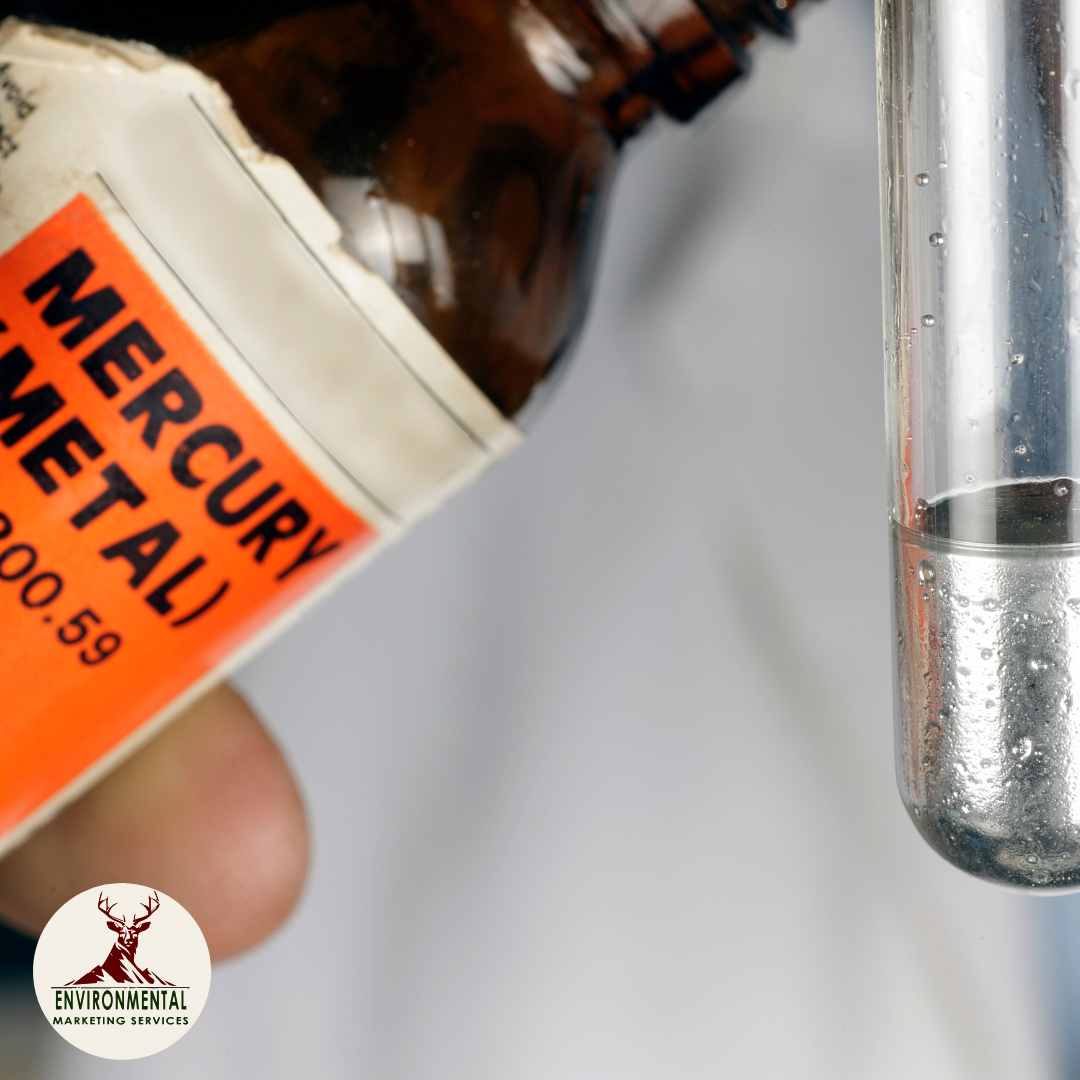
Mercury is a silvery, metallic element found in a variety of everyday items like thermometers, barometers, and some types of fluorescent light bulbs. It is unique because it remains liquid at room temperature, making it useful for various scientific and medical applications. However, mercury requires careful handling because of its toxic nature. If mercury leaks or spills, it can evaporate into the air, creating hazardous fumes. For this reason, understanding how to properly manage and dispose of mercury is important for anyone working with it.
Proper disposal of mercury is important to protect both human health and the environment. When mercury is not disposed of correctly, it can contaminate soil and water. This contamination can lead to exposure through the food chain, affecting wildlife and potentially reaching humans. Safe disposal practices help prevent these risks. By learning about mercury’s dangers and following proven methods for handling it, we can create a safer environment for everyone.
The Dangers of Mercury
Mercury poses serious health and environmental risks. When people are exposed to mercury, especially in its vapor form, it can lead to harmful health effects. These include neurological and developmental problems, particularly in young children and pregnant women. Mercury exposure can affect the nervous system and result in issues with vision, muscle coordination, and speech. Awareness of these risks highlights why proper management of mercury is necessary.
In addition to harming people, mercury also disrupts the environment. When it is released into the air, water, or soil, mercury can move through ecosystems and remain there for long periods. Fish and other aquatic organisms often absorb mercury. This mercury then builds up in the food chain, sometimes reaching humans through the fish they eat. This cycle shows how important it is to follow proper disposal methods that prevent mercury from spreading and causing long-term damage.
Identifying Mercury Wastes in the Laboratory
In laboratory settings, mercury waste may come from various sources. Identifying these sources accurately is a key step in managing and disposing of mercury safely. Some common sources include:
1. Broken thermometers and barometers, which may release mercury if damaged.
2. Fluorescent lamps are still found in some labs, each containing small amounts of mercury.
3. Laboratory reagents and equipment that may contain mercury.
Being able to recognize equipment and supplies that may contain mercury helps reduce the risk of exposure. Conducting regular inspections and audits keeps laboratory staff aware of where mercury waste may be present. This helps prevent unintended exposure and makes it easier to separate mercury waste from other materials. Clearly labeling and isolating such waste supports efficient and safe removal when the time comes.
Proper Handling and Storage of Mercury Waste
Handling mercury waste requires strict attention to safety. Wearing the right personal protective equipment such as gloves and masks helps protect against contact and inhalation. When working with mercury, always use a containment tray to catch spills. A properly ventilated space helps reduce the chances of inhaling harmful vapors.
Storage is another important part of mercury waste management. Waste mercury and any contaminated items should be kept in tightly sealed, shatterproof containers. These containers must be clearly labeled to mark them as hazardous material. Designate a secure storage area, ideally one that is cool and removed from regular workspaces. Check the condition of containers and labels regularly to make sure nothing is leaking or degraded. Safe storage gives you more control and limits the risk of spills or environmental release until proper disposal can take place.
Approved Disposal Methods for Mercury
Effective mercury disposal involves several steps and must follow proper procedures. First, gather all mercury waste into the correct containers. These need to be sealed tightly to avoid any leaks or emissions during handling and transportation.
It is necessary to work with professionals who are authorized and trained in mercury disposal. Certified disposal services are equipped to manage mercury and handle its transport to facilities designed for processing hazardous materials. This ensures that the waste is treated according to legal requirements and environmental standards.
Regulations often require thorough records documenting the volume of mercury waste and how it was managed. Keeping detailed documentation will help meet compliance rules. These records may also be needed during inspections or audits. Stay informed about any updates to regulations related to mercury disposal so that your practices remain in line with the law.
Protecting People and Nature Through Responsible Action
Keeping people safe and protecting natural resources means approaching mercury disposal with care and commitment. Every step taken to follow proper disposal practices contributes to a healthier ecosystem and limits the risks that mercury poses.
Sharing knowledge about mercury’s dangers and how to handle it allows laboratories and organizations to build safer environments. By maintaining up-to-date procedures and encouraging awareness among staff, mercury can be managed safely and effectively. Taking these actions helps prevent long-term harm and supports a cleaner, safer world.
Ensuring the safe disposal of mercury not only protects our health but also preserves our natural resources. If you’re looking for effective measures and expert support in handling such challenges, explore our services for hazardous waste at Environmental Marketing Services. Our commitment to safe and compliant practices can help you manage waste responsibly, safeguarding both your community and the environment.