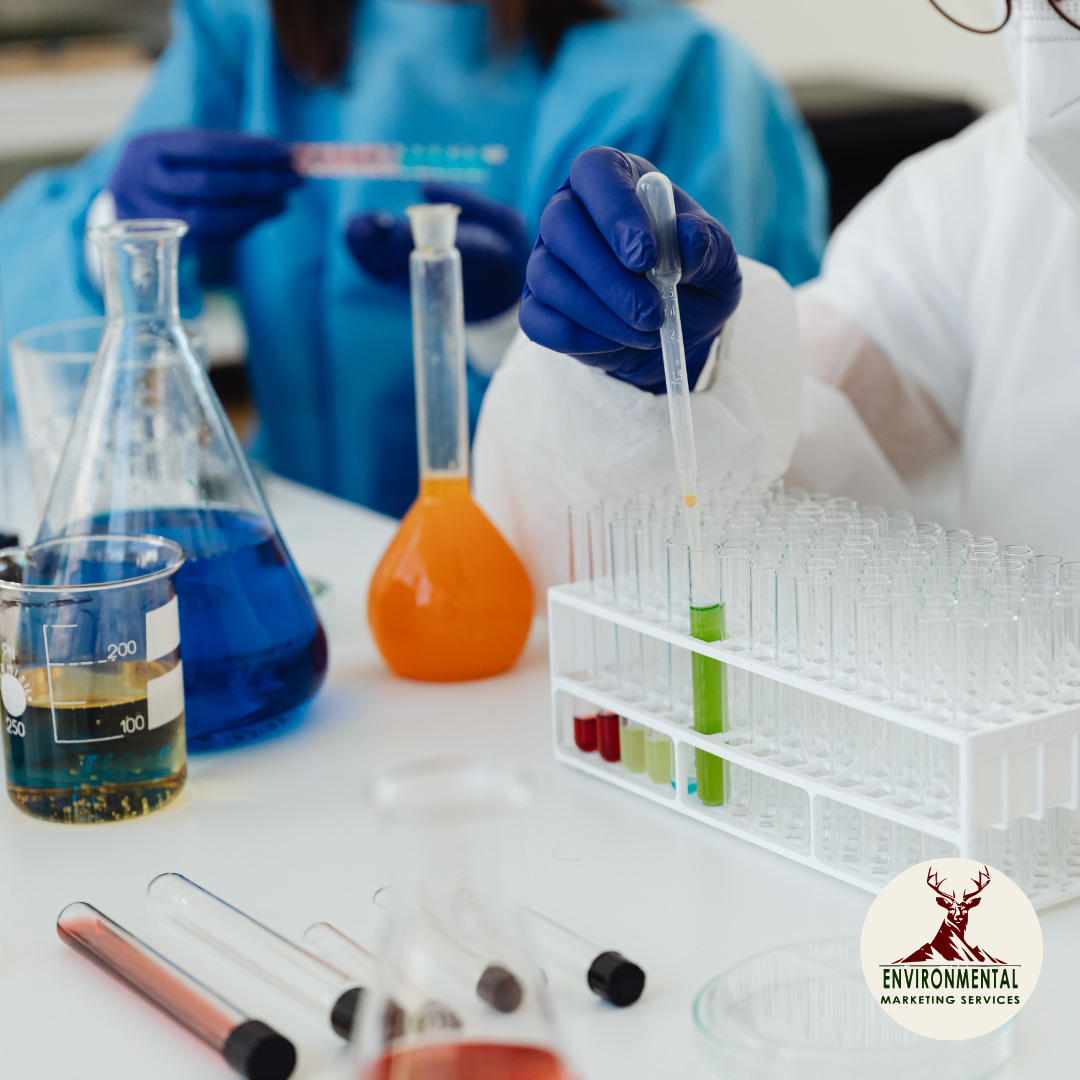
Lab waste disposal is more than just throwing things away. It’s a process that keeps labs clean, protects workers, and makes sure materials don’t harm the environment. In commercial labs, research centers, and industry settings, careful planning is needed for anything that can’t go in a normal trash bin. Some items are harmful if spilled or stored the wrong way. Others can react if mixed by accident.
That’s why lab waste disposal ties directly into safety and planning. It’s part of how we manage risk and meet safety rules. This kind of disposal often falls under hazardous waste services, which means following strict steps every time. The idea is to handle waste without letting it become a hazard to people or the workplace.
Types of Waste Found in Labs
There are many kinds of waste in lab environments, and each one needs its own method of handling. Not everything is dangerous, but even the less risky items can still cause harm if managed poorly. Some waste types can’t be mixed, and others need extra care based on their contents.
Some of the main categories include:
• Chemical waste: leftover acids, solvents, reagents, or any expired or unknown substances. They may be flammable, corrosive, or toxic.
• Biological waste: includes lab samples, tissue, or microbial cultures that can carry infection if leaked.
• Sharps: needles, scalpel blades, and glass pipettes fall into this group. All of them can puncture containers and cause injury if not secured.
• Other specialty items: mercury thermometers, batteries, aerosols, or products that are reactive under pressure or temperature shifts.
Each category plays by different rules. That’s why we treat every container based on what it holds, how much is left, and how it’s stored.
How Labs Should Store Waste Before Disposal
Every lab should have a plan for where and how waste is stored while it waits for pickup. That planning starts with clear labeling. Every container needs to show what’s inside, when it was placed there, and who managed it. If anything is missing, it makes disposal slow and less safe.
We store chemicals based on type so that reactive items never sit next to each other. Solvents go with other solvents. Acids stay grouped, far from bases. When storage is disorganized, accidents are more likely. We use non-leaking, sealed containers in cabinets or bins that are clearly marked. These containers need to resist corrosion and go through regular checks.
Temporary storage areas should stay dry and ventilated. Whether it’s a small lab or a larger industrial space, the goal is the same: prevent spills, leaks, or cross-contamination between materials. We keep floors clear, signage up to date, and store waste at safe distances from regular work zones.
Storage planning is especially important before winter break or during colder months. Temperatures can impact chemical stability, and freezing conditions may make leaks or spills more likely. Labs should use temperature-controlled storage if needed and inspect containers more often for cracks or damage in colder weather. When possible, schedule waste pickups before anticipated closures or prolonged absences so that no hazardous materials remain in temporary storage for too long.
What Happens During Pickup and Removal
When it’s time for waste to leave the lab, trained personnel step in. These are people who understand how to sort and move different chemicals without endangering themselves or their surroundings. Before anything goes into a transport truck, containers are inspected again, labels are verified, and all materials are grouped by class.
The packaging used is made to hold up to bumps or cold weather. In December, that means factoring in freezing temperatures, which can change how materials behave. Some liquids thicken or freeze, making them harder to seal. Others may crack their containers if not prepped the right way. That’s why insulated storage and clear handling instructions are key during winter pickups.
Moving waste is not just about physically removing it from the lab. Each shipment includes all relevant paperwork, like manifests and tracking documents, so there is a record from the point of collection to the final disposal site. Handlers check that everything matches the logs and that nothing is unaccounted for. The process involves careful record-keeping and following the appropriate route for each waste type; some materials may go for treatment, while others require special handling, recycling, or incineration. The entire removal step is governed by both safety practices and legal standards.
Once the waste is packaged securely, it’s taken off-site following the rules set by the EPA and DOT. Every batch moves with tracking papers and manifests so there’s no guesswork about where it goes next.
Following the Rules So Everyone Stays Safe
We follow regulations for one main reason: safety. Chemical waste may seem harmless sitting on a shelf, but if stored too long or handled the wrong way, it can turn into a serious risk. That’s why state, local, and federal agencies put rules in place for how labs need to collect, label, store, and move these materials.
If these rules get skipped, the results can include:
• Dangerous chemical reactions
• Fires, leaks, or fumes entering work areas
• Fines, shutdowns, or penalties tied to noncompliance
We avoid those problems by keeping up with permits, doing regular inventories, and working with waste handlers who are properly trained. That’s the best way to keep people safe while meeting legal requirements.
Regulatory compliance is not just about avoiding penalties or fines. It creates a safer workplace where employees can focus on research with confidence. Keeping chemical inventories accurate, updating labels, and maintaining current records all contribute to a smooth inspection if authorities visit. Regular staff training on proper waste handling keeps safety knowledge fresh and helps prevent mistakes before they occur.
Safe Labs Start with Smart Waste Choices
Clean labs don’t happen by chance. Safe storage and steady planning make them possible. Our job is to know what types of waste exist in our workspace, how to store them, and how to prepare for pickup the right way.
When our process matches the rules, our risk drops. That’s good for everyone, especially during winter when closures and cold weather make consistency harder. Trained help ensures our waste is packaged, transported, and disposed of correctly, leaving our labs safer and better prepared for the work ahead.
Taking a systematic approach allows labs to manage both everyday operations and unexpected changes in workflow or staff schedules. Routine reviews ensure that no waste sits for too long and that changes in research do not introduce unmanaged hazards. When winter weather may slow down pickups or limit staff availability, a waste plan that anticipates delays helps keep labs safe and compliant.
Your Partner for Regulatory-Compliant Lab Waste Management
Environmental Marketing Services has handled hazardous, non-hazardous, and universal waste for laboratories and organizations across 47 states since 1998. Our expert team provides compliant lab pack disposal, chemical recycling, and transportation solutions that protect both your people and the environment. We maintain every necessary permit and stay up to date on changing EPA and DOT regulations, so your lab can focus on research rather than waste logistics.
At Environmental Marketing Services, we know how important it is to keep lab waste handled the right way from start to finish. When cold weather and tight schedules make disposal harder, it helps to have trained support for sorting, packing, and transporting material the safe way. Our process is built around current regulations and easy-to-follow steps that take stress off your staff. If your lab could use help managing chemical storage, pickup schedules, or overall planning, our hazardous waste services are built to support your needs. Contact us to get started on a safer plan today.