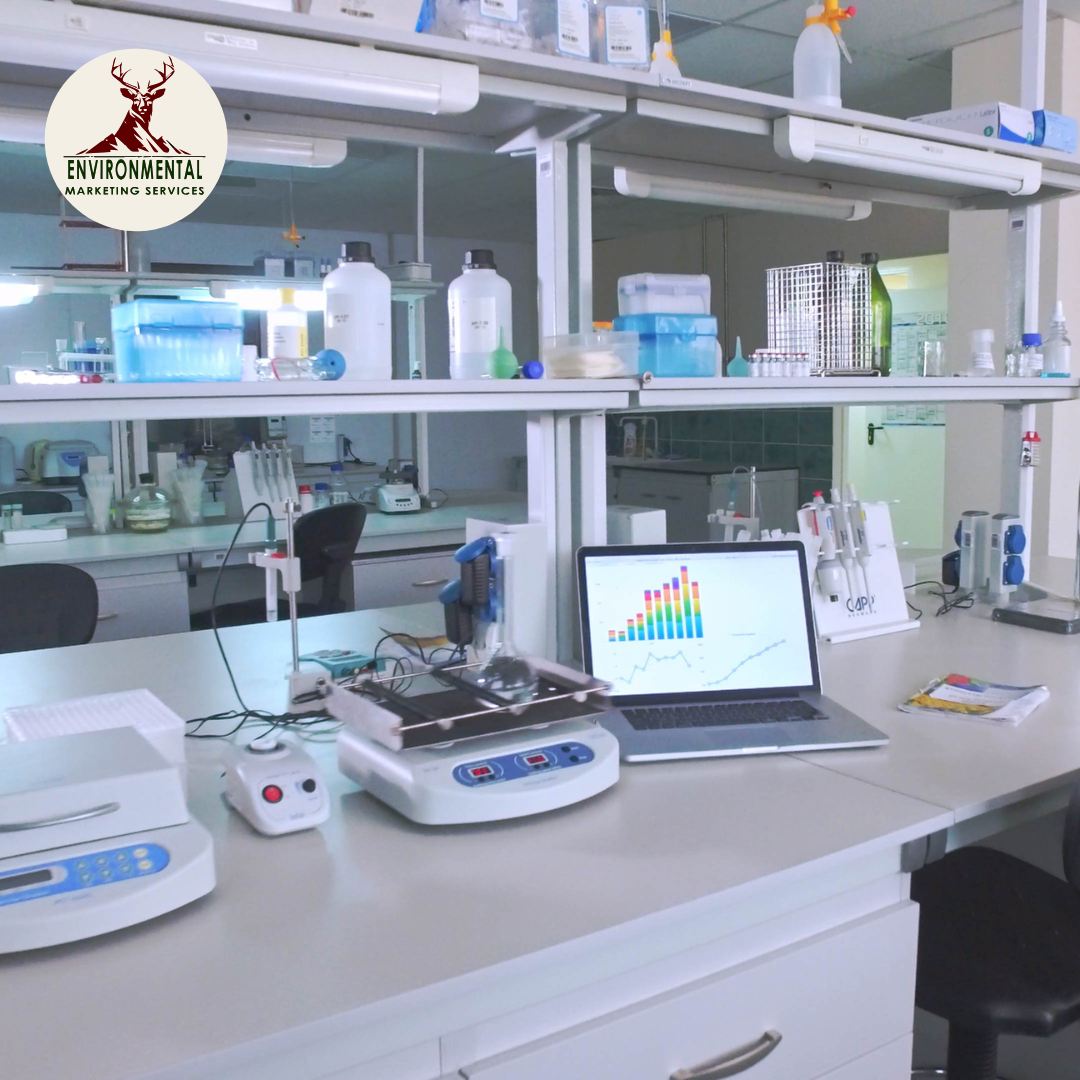
Chemical waste from labs needs more than just a trash can. In commercial labs, the materials we work with often leave behind waste that could pose a risk if left unchecked. This includes expired chemicals, small amounts of unknown mixtures, or even broken containers. Each one has to be handled carefully. That’s where laboratory waste disposal services come in. These services help us deal with complex waste the right way, using safe methods that meet all the rules.
Handling these materials is not just about convenience. If we store or toss them the wrong way, we put people, property, and the environment at risk. Following EPA rules and local safety laws is part of running a responsible facility. Knowing how disposal works can make all the difference. When we are dealing with hazardous waste services, it is better to have a clear process than guess our way through it.
Understanding Laboratory Waste
Labs generate many kinds of waste, and they do not all belong in the same bin. Chemical waste is common, and it includes leftover acids, bases, solvents, and cleaning agents. We also deal with biological waste from tissue samples or cultures. Sharp objects like glass pipettes, used blades, and needles come with their own risks too. All of these need special containers and clear labeling so they do not end up in places they should not.
What sets lab waste apart is its mix of hazards. Some materials are explosive, some are toxic, and some can react just by being near the wrong container. That makes sorting one of the most important parts of the process. We need to separate items by hazard type, compatibility, and condition before anything leaves the facility. Doing this lowers risk before the pickup ever happens.
Common Methods of Disposal
Once the waste is packed and picked up, it goes through specialized disposal methods. For chemical waste, incineration is often used to destroy active ingredients at high heat. Some materials are neutralized through a treatment process that reduces their danger before final disposal. Others may go to secure landfills built with extra layers to keep dangerous content from leaking into the ground.
The path each waste type takes depends on whether it is classified as hazardous or non-hazardous. Hazardous materials get extra attention every step of the way. These usually need additional documentation, safety checks, and trained transporters. That is why correctly labeling each drum, bottle, or bag matters so much. Every worker who touches it later depends on us to get those details right.
The Role of Safety and Rules
Every lab must follow national and local laws that guide how we handle and dispose of waste. Two key ones are the EPA rules for hazardous waste and OSHA guidelines that cover how we manage risk inside the facility. These are not just checklists. They are there to prevent serious accidents.
It is not enough to have one person know the rules. Every staff member needs some training. That includes how to wear proper gear, how to store chemicals safely, and how to document what leaves the building. If one part of this chain breaks, the whole system is at risk. When safety processes are strong, it protects not just our employees, but the community around us as well.
Choosing a Professional Waste Partner
Handling lab waste sounds simple until something goes wrong. Leaking drums, mislabeled boxes, or an unexpected chemical reaction can happen fast. That is why it is better not to manage waste disposal alone.
We always look for licensed companies with proper waste transport permits. Experience matters too. Companies that have seen different types of waste are more likely to notice red flags before they become a problem. A company’s safety record tells us whether they have built systems that work. When we pick a strong partner, our daily work gets easier. We do not have to question every step or second-guess our choices because the plan is already in place.
Environmental Marketing Services, based in Seneca, South Carolina, has been providing compliant transportation and disposal of lab and chemical waste since 1998. We serve as a single-source partner for generators of all sizes, operating across 47 states and handling hazardous, non-hazardous, and universal waste streams.
Why Winter Planning Matters for Waste Disposal
Publishing this in January means it is the middle of winter in many parts of the country. That makes it a smart time to check our disposal plans. Cold weather can affect the way we store containers or move materials. Some chemicals get unstable in low temperatures, or the storage drums expand and crack from pressure changes.
Planning ahead allows us to schedule pickups before a snowstorm or freezing rain slows down shipment. It is harder to respond to issues when things are frozen or delayed. Early in the year is also when many labs reset goals and perform audits. Including waste checks as part of this review helps catch small problems now instead of dealing with bigger ones later.
Through services like lab packing and detailed inventory checks, we help labs properly identify, segregate, and prepare all waste for safe and legal removal. This proactive approach is especially important during seasons when weather or other factors can affect safety and compliance.
Keeping Your Facility Safe and Clean Year-Round
Proper disposal of lab waste keeps our workspace clean, but it does much more than that. It builds a level of trust among employees, managers, and visitors. Everyone works better when they know the space is handled with care. It also makes sure we’re meeting standards without the stress of last-minute cleanup or missed rules.
When we use the right labeling, choose appropriate disposal methods, and follow safety practices, we turn a complex task into a reliable routine. Each of these small steps, done right, adds up to a safer lab and a smoother workday. Staying ready season by season means our facility keeps running without unexpected risks or shutdowns.
Your Partner for Safer Laboratory Waste Management
At Environmental Marketing Services, we know how important it is to manage waste safely and correctly all year long. Even a small mistake with labeling or storage can turn into a bigger issue once waste leaves your building. That is why it helps to work with professionals who understand how to handle complex materials and follow every step required for safe disposal. When you need reliable support with hazardous waste services, we are here to help you keep your lab running smoothly no matter the season. Contact us to talk about the right plan for your facility.