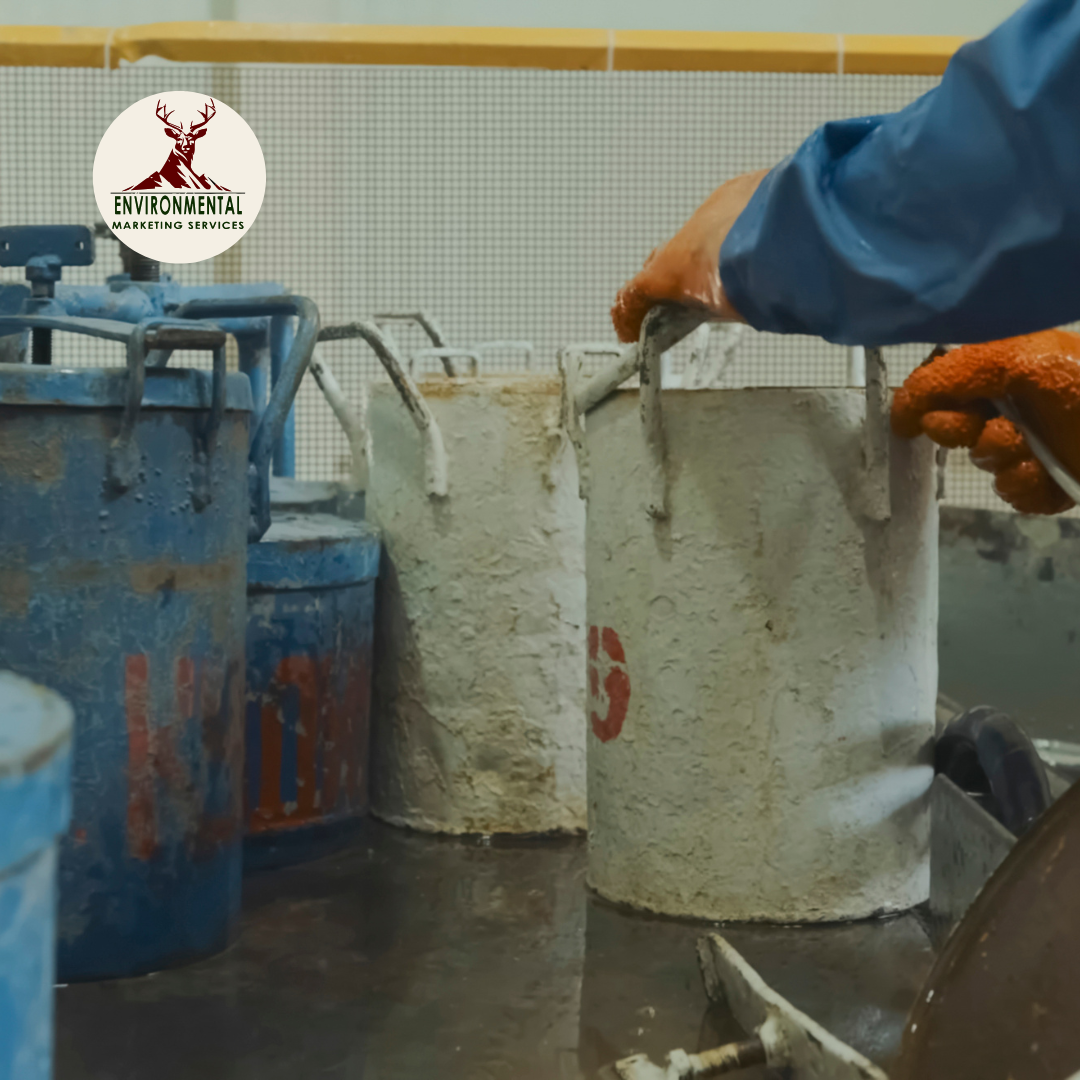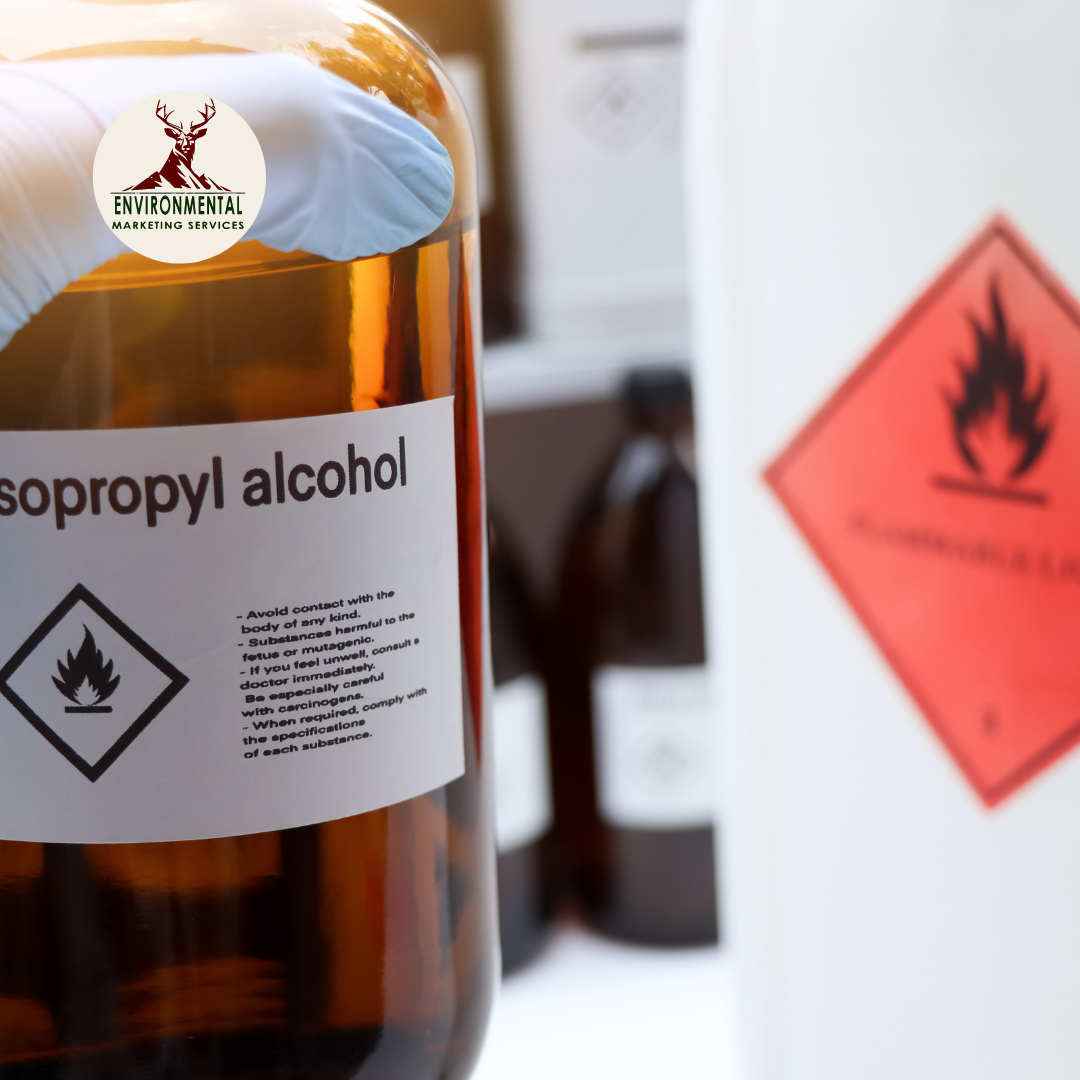
Chemical waste can show up in all kinds of work settings, including labs, production floors, and maintenance shops. Unlike regular trash, chemical waste can be reactive, toxic, or flammable. That means it needs special handling from the moment it is produced to the moment it is gone. Without careful planning, this type of waste can harm those working nearby and cause long-term damage to soil, water, or air.
That is where proper waste management and chemical disposal come in. It is essential for businesses to keep things safe, clean, and within the rules. During the winter, disposal routines may shift to suit colder weather. Low temperatures can affect how waste is stored and moved. Frozen roads, snow delays, and changes to chemical stability all make safe planning even more important. Relying on hazardous waste services helps remove risk and support long-term protection for people and the environment.
Safe Handling of Commercial Chemical Waste in Winter
In many workplaces, chemical waste is not rare. It shows up as old lab supplies, cleaning agents, spent solvents, paint, oils, or commercial by-products. Each one needs to be stored and sorted with care, especially during the colder months.
Winter cold can alter the pressure inside storage containers. Some containers may crack or get brittle when the temperature drops, and certain chemicals can become more reactive or unstable if frozen or exposed to prolonged cold. That is why safe winter storage is more than just keeping items inside a cabinet.
Here are three steps we focus on for safer chemical waste handling in the cold:
• Label everything clearly with full names, hazard classes, and handling notes.
• Keep incompatible chemicals separated based on type and reactivity.
• Use containers that are rated for the substance and the season.
Nothing should be stored in a way that invites leaks or confusion. We stay prepared for safety as well as for easier pickup later on.
Why Regulatory Compliance Matters
Disposing of chemical waste is not just about getting rid of it. There are clear federal and state rules for storage, transportation, and disposal. The U.S. Environmental Protection Agency (EPA) and Department of Transportation (DOT) both set standards businesses must follow.
If those rules are not followed, the risks increase quickly. Improper disposal can lead to fires, spills, and harmful exposure. It can also result in heavy penalties and damage to a company’s reputation. Keeping up with these laws can be complex, which is why trained professionals are essential for packaging, documentation, tracking, and hauling.
Every container, label, and manifest has a purpose. They help protect people who work around waste and the companies responsible for managing it. Recordkeeping is a key part of the process to ensure nothing gets missed or mishandled.
The Right Way to Transport Hazardous and Non-Hazardous Chemicals
There is a clear difference between hazardous and non-hazardous waste, and each requires unique handling. Hazardous waste could cause harm to health or the environment if spilled or stored improperly. Non-hazardous waste may be safer but still requires a responsible disposal plan.
Transporting waste in winter means even greater attention to weather and road conditions. Chemicals may shift in containers or react differently in freezing temperatures. That is why the following are used:
• Temperature-resistant containers and sealable drums.
• Spill kits ready in case of leaks.
• Cleared and pre-checked routes to avoid delays or weather hazards.
Licensed carriers make sure materials stay secure throughout the trip, whether it is to a treatment site, recycling center, or disposal facility. We are permitted as a hazardous waste transporter in 47 states and use specialized vehicles and equipment for secure, compliant moves. No matter the waste type, safe transportation takes careful organization and strong backup plans.
Preparing for a Chemical Waste Pickup
Winter is a great time to review and clean up stored chemical waste. When it is time to schedule a pickup, preparation speeds up the process and promotes safety.
First, waste is sorted by hazard class, compatibility, and labeling. Mixing waste types can lead to delays or dangerous reactions during collection. Each container is checked for seals, expiry dates, and clear markings.
Before pickup day, detailed notes are shared with the handlers:
• A list of chemicals and estimated quantities.
• Any unknown or mixed substances that require testing.
• Special instructions about access, loading areas, or storage needs.
Proper preparation helps protect staff and reduces on-site risks. This process also allows professionals to bring needed supplies for safe collection and management.
Effective Chemical Waste Solutions for Winter
Chemical waste disposal is more than a routine task; it is a key measure to keep work areas safe and prevent problems before they happen. When handled the right way, regardless of the season, every step supports cleaner workspaces and a safer community.
As a comprehensive waste management partner, we offer regulatory-compliant solutions such as lab packing, chemical disposal, and recycling, always with an emphasis on environmental responsibility. We provide tailored support for all types of chemical waste, from small business generators to large laboratories. Whether you are handling a few expired chemicals or have ongoing waste streams, working with experienced professionals is the best way to maintain safety, regulatory compliance, and efficient workflows.
Winter brings extra considerations for chemical waste storage and transportation. Freezing temperatures can lead to brittle containers or unexpected chemical changes. Snow and ice may increase challenges when moving hazardous materials from storage areas to collection vehicles. Planning ahead helps to minimize these risks. Regular safety checks on containers throughout the season, along with keeping walkways clear, make a significant difference in preventing accidents or chemical releases.
We understand these seasonal factors and work closely with clients to develop plans that address winter hazards. By combining industry expertise with ongoing training, our team ensures chemical waste is managed properly even in the most challenging weather. This commitment supports clients in keeping their sites compliant, safe, and efficient year-round.
Moving Forward with Safe, Responsible Disposal
Colder weather brings specific hazards, but with careful preparation and a focus on compliance, businesses can keep risks low. By choosing licensed carriers, using proper storage containers, and following EPA and DOT regulations, workplaces protect both their teams and the local environment. Every pickup, label, and manifest log is a step toward ongoing safety and peace of mind for your operations.
At Environmental Marketing Services, we help businesses handle waste safely and efficiently year-round, with careful planning that takes extra hazards from cold weather into account. We focus on smart steps that protect people, property, and the environment at every stage. When your workplace needs support with safe removal and disposal, our hazardous waste services are ready whenever you need a pickup or want to discuss your next cleanout.