Hazardous waste incineration is a safe way to get rid of materials that cannot be reused or recycled. By burning dangerous waste at high heat, we can take harmful chemicals and break them down into safer byproducts. This helps protect workers, keep nearby areas cleaner, and prevent pollution from entering landfills or water systems.
Unlike other disposal methods that might store or bury hazardous material, incineration helps remove the danger entirely. It is especially helpful during winter when outdoor storage is more difficult. Cold weather can lead to frozen containers, delays in transport, and even safety risks around waste handling. For businesses that operate through year-end slowdowns, incineration allows us to lighten the load and stay focused on safety. We will explain how the process works, what kinds of waste are best suited for burning, and why planning with professional support makes all the difference.
What Is Hazardous Waste Incineration?
Incineration is the process of burning hazardous waste at very high temperatures inside a controlled furnace. This method is more than just setting waste on fire; it is about reaching the right temperatures to break down harmful substances into ash, gas, or heat.
The difference between incineration and other disposal methods is clear. Landfilling or chemical neutralization might trap or treat waste, but incineration destroys it. This is important for waste types where anything left behind could pose a long-term risk.
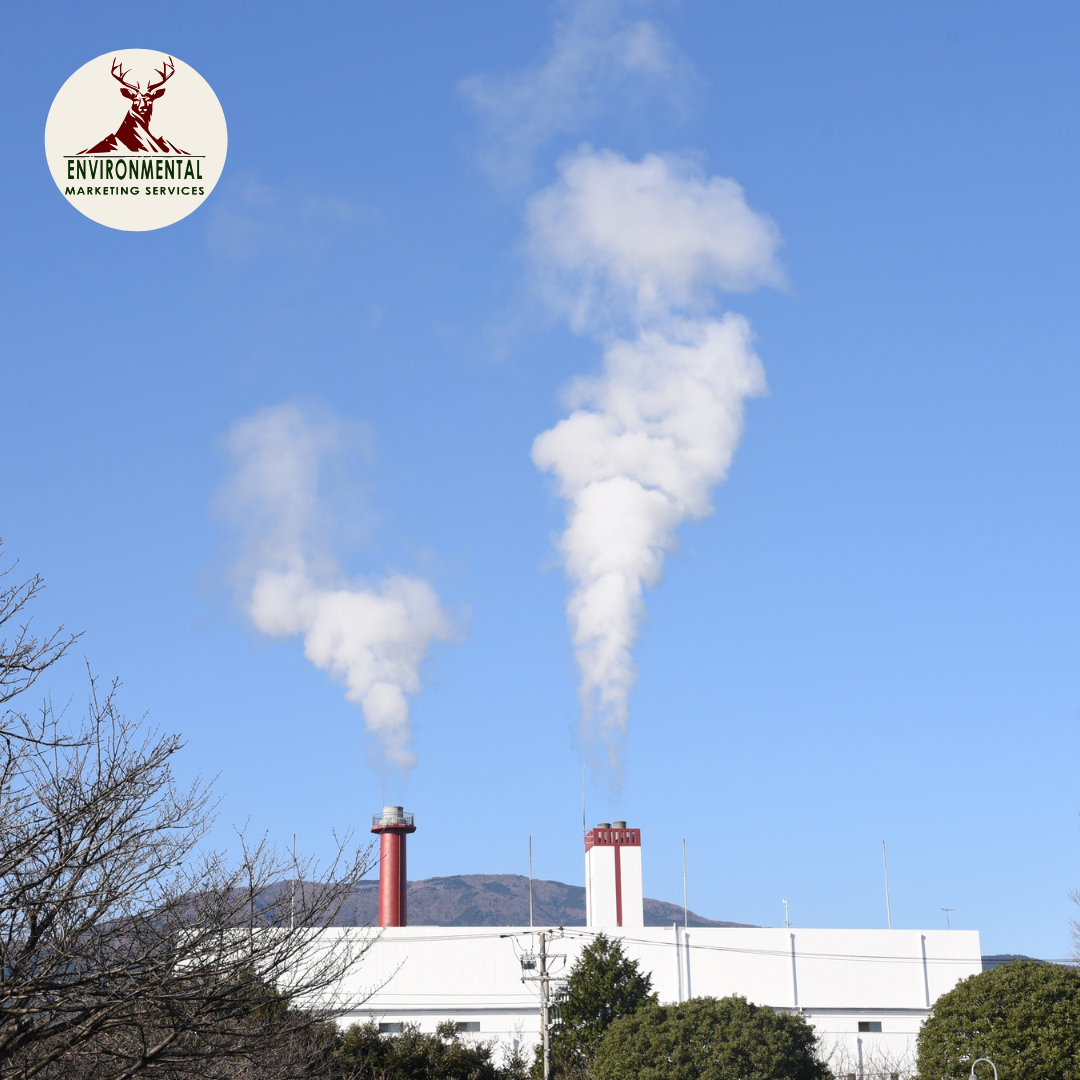
Commercial incinerators are built to keep people and surroundings safe. They use closed chambers that control air flow, pressure, and temperature, often between 1,600 and 2,200 degrees Fahrenheit. These systems meet local, state, and federal safety rules and are closely monitored to make sure dangerous materials are fully broken down.
What Types of Waste Are Incinerated?
Certain kinds of commercial waste are better suited for incineration than others. These often include industrial sludges, lab waste, contaminated solids, or medical byproducts that cannot be safely buried or recycled.
Some examples of waste commonly incinerated include:
• Lab chemicals that have expired or are no longer useful
• Solids soaked with toxic liquids, such as cleanup pads or protective clothing
• Organic materials that carry infection risks in clinical settings
Not everything can go through incineration. Materials that react strongly to heat, like some reactive chemicals or aerosol containers, should be processed differently. Electronics with heavy metals, for example, need special handling to keep those metals from being released into the air.
This is why trained professionals are needed. We assess what waste types are safe for incineration and recommend options for what is not. The goal is always the same: destroy what we can responsibly and manage the rest without putting people or nature at risk.
How Incineration Supports Winter Waste Management
Winter introduces complications of its own. Storage gets tougher when water freezes and containers can crack. Fewer workers or reduced hours during the holidays can add extra pressure to stay ahead of waste before it piles up.
Incineration can help in a few key ways:
1. It reduces the total volume of waste, saving space and lowering the risk of overflow.
2. It keeps freeze-sensitive containers from sitting too long in cold climates, avoiding leaks or structural damage.
3. It helps keep sites clean and safe when regular operations slow down during year-end maintenance breaks or shorter shifts.
Waste cannot always wait for warmer months. Having a safe, reliable method like incineration means we have a way to keep materials moving, even when the weather does not cooperate.
Staying Compliant With Waste Regulations
Hazardous waste services must follow strict rules from both federal and state agencies. That includes how materials are labeled, tracked, stored, and destroyed. Large generators, like industrial plants or labs, often have a bigger set of responsibilities tied to documentation and handling.
When incinerating hazardous waste, the rules do not stop once the waste is picked up. From load tracking through final disposal, each step must be documented. We rely on detailed forms and digital logs to show the full journey. Inspectors can ask to review these records at any point, so accuracy is not just helpful; it is required.
Working with certified professionals means the waste is handled properly from beginning to end. That reduces the chances of missed steps, mislabels, or overlooked risks. It gives us and our clients confidence that we are following the law and protecting our workers, too.
Professional Support Makes the Difference
Hazardous waste is not something we ever want to guess about. Knowing how chemicals behave at high heat, how to pack and label different substances, and how to transport them legally takes skill and training.
A qualified partner helps with:
• Sorting and grouping waste by how it needs to be treated
• Labeling and preparing containers for safe handling
• Coordinating permitted transportation and disposal
For complex waste streams, relying on a specialized provider with over two decades of experience serving businesses in 47 states helps ensure the safest approach. We handle a range of services from lab packing to chemical disposal, supporting both small labs and large industrial sites.
Professional support removes the guesswork. It keeps operations smooth and helps avoid costly mistakes or violations. More than that, it creates peace of mind, especially during busy or short-staffed seasons.
A Responsible Winter Waste Solution
Incineration offers a safe, effective way to deal with materials that are too risky to store or reuse. Now that winter is here, it is even more useful. Waste piles grow faster when operations slow down, and freezing weather makes it harder to store containers outside. Having incineration in your waste strategy means you can keep up without piling up.
By removing danger and reducing volume, incineration makes hazardous waste easier to manage. Sites stay cleaner, workers stay safer, and the environment gets the protection it deserves. With the right help, hazardous materials are handled responsibly, one load at a time.
Partner with Proven Experience in Hazardous Waste Management
Keeping hazardous waste under control takes more than just good timing; it takes a safe, proven method that works no matter the weather. Companies like Environmental Marketing Services, based in Seneca, South Carolina, offer compliant transportation and disposal options backed by decades of expertise. Winter brings extra pressure to move waste before storage becomes risky, and incineration gives us a way to remove danger while staying compliant. When you work with us, we handle the whole process clearly and safely, following all standards tied to hazardous waste services. Environmental Marketing Services is here to help make your waste strategy stronger this season and beyond. Contact us to schedule support that keeps your site clean and ready.