Many commercial sites, labs, and industrial buildings produce materials that can cause harm if not handled the right way. These are known as hazardous waste. Getting rid of them the safe way is not just smart; it is required. And it is not always easy to do without help.
Hazardous waste services give businesses a plan for sorting, packaging, tracking, and removing dangerous materials. This helps keep workers safe and prevents chemicals from spilling into the air, ground, or water. For companies trying to finish up end-of-year work before the holidays or facing cold-weather challenges, now is a good time to look at how waste is managed and where changes might help. Winter, with its unique set of challenges, makes reviewing hazardous waste management plans even more critical.
What Makes Waste Hazardous?
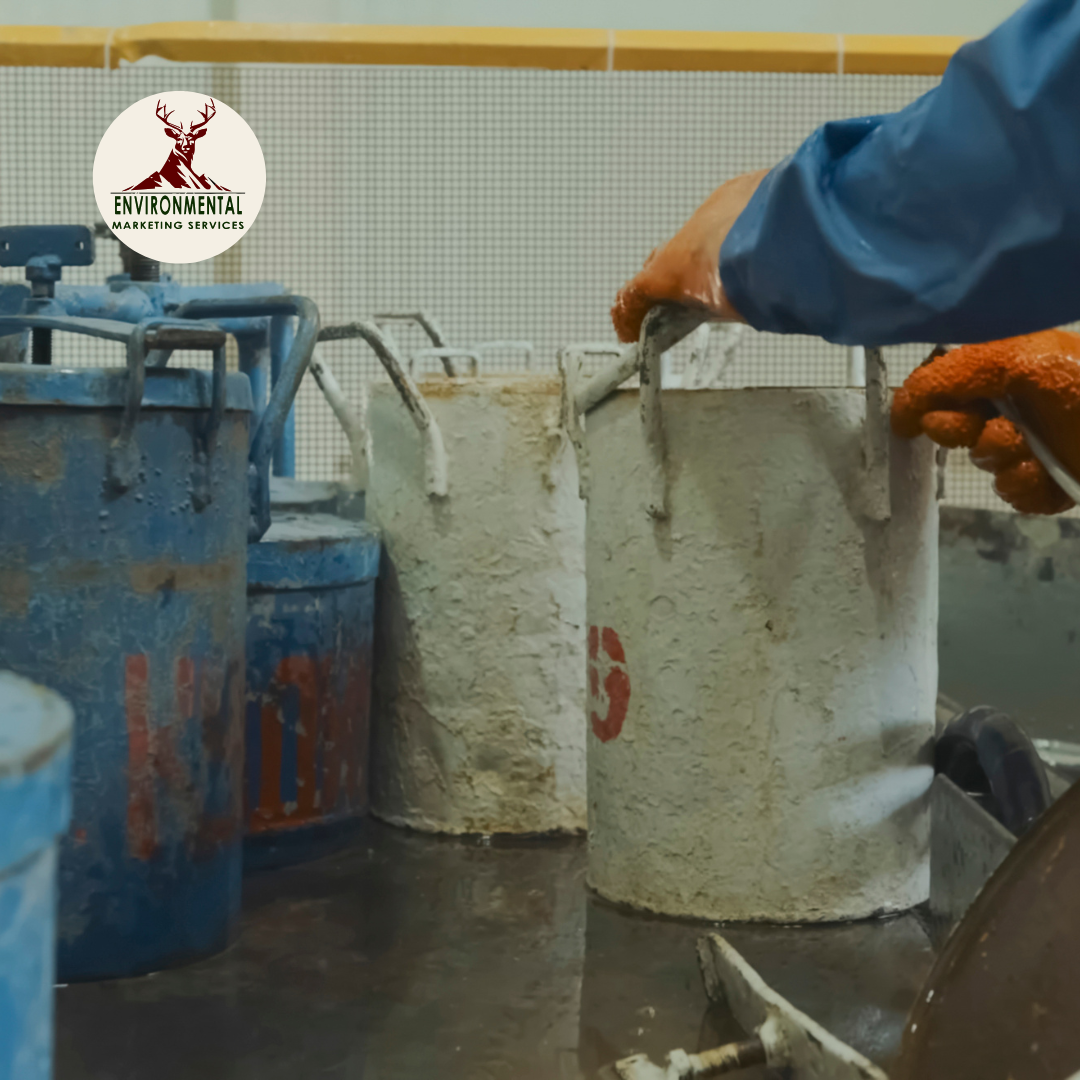
Not all waste is the same. Something that spills at a supermarket may clean up easily, while a spill in a lab or factory could need special steps. Hazardous waste includes anything that could hurt people or damage the environment if touched, breathed in, or stored the wrong way.
Some common examples include:
• Cleaning solvents from manufacturing equipment
• Batteries that contain heavy metals
• Pesticides, acids, or lab chemicals left over from experiments
• Aerosol cans or spray tanks used in commercial cleaning
These materials can be harmful based on their makeup, where they are used, or how they react with other items. A chemical that is safe in a sealed container could become dangerous if opened, mixed, or exposed to heat. Some hazardous waste can even produce toxic fumes without warning, especially when stored near incompatible substances. Knowing what is on-site and keeping a list helps teams decide whether extra care is needed. Reviewing inventories regularly means nothing is missed, especially when year-end cleanouts bring extra volume.
Key Steps in Hazardous Waste Services
Getting rid of hazardous materials takes more than just hauling them away. Most jobs follow a clear chain that keeps waste secure and tracked every step of the way.
1. It starts with sorting. Workers identify and separate different types of waste so nothing gets mixed by mistake.
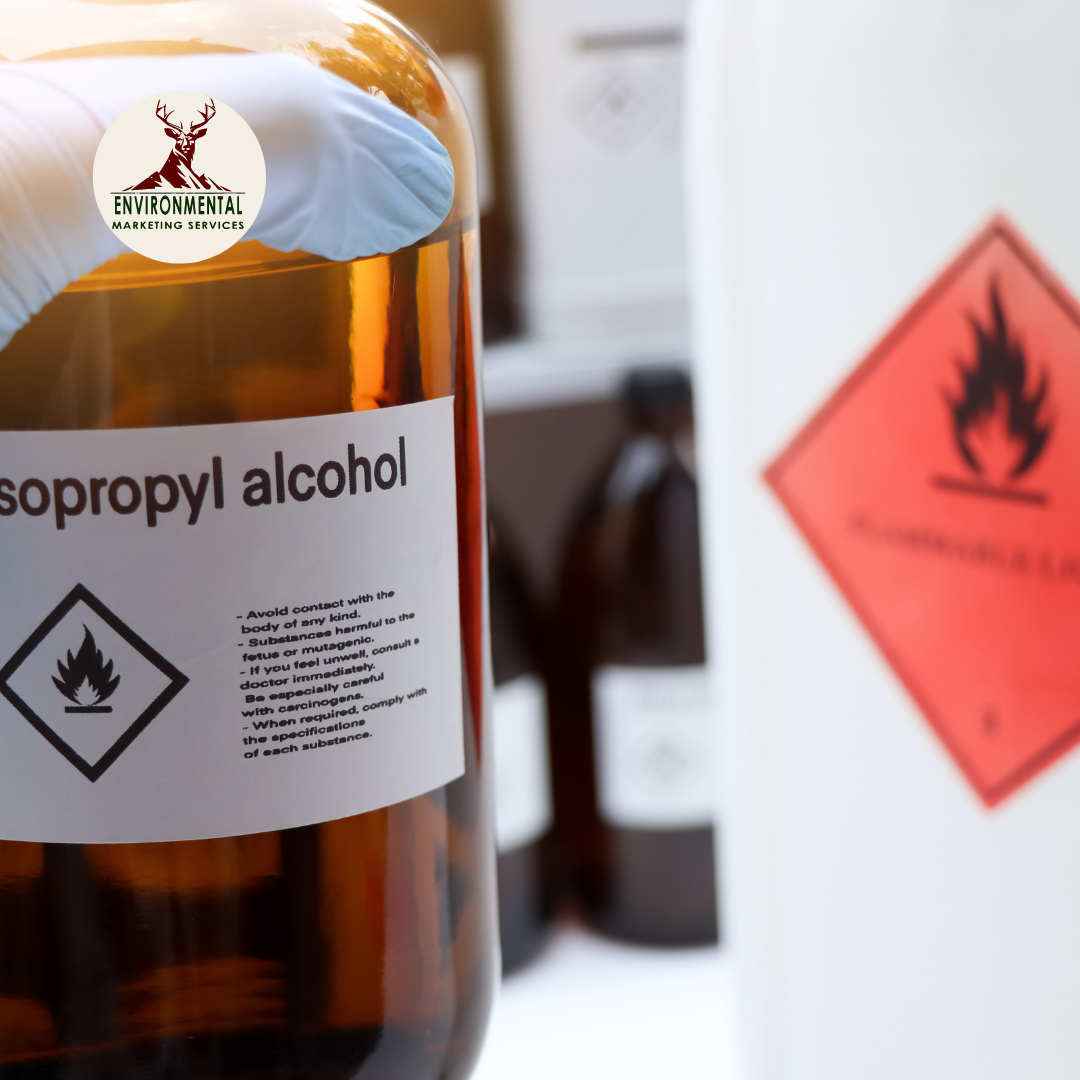
2. Next comes labeling. Clear tags and signs help show what kind of material is in each container and who handled it last.
3. Then there is storage. Waste should be kept in safe, sealed containers that will not leak. Placing them on secure surfaces and away from public spaces is important.
4. After that, materials are picked up and hauled to an approved site for treatment or disposal.
Routine inspections are often scheduled to ensure bins are sealed tight and nothing is leaking or stored in the wrong location. Employees are trained to handle waste using personal protective equipment and to recognize signs that a drum or bag may be compromised. Depending on the waste’s form, things may change. For example, liquids often need double containers. Solids might be stacked on pallets. Aerosols sometimes require vented drums. Detailed instructions about packaging minimize risks during preparation, transport, and receipt at the disposal facility. Paying attention to these small details prevents risk during packing and transport.
We specialize in lab packing and chemical disposal for laboratories and businesses, providing regulatory-compliant solutions that follow the highest environmental standards. Each step in our hazardous waste service, from waste identification to secure transportation, is tailored to meet strict state and federal regulations.
Rules That Need to Be Followed
Hazardous waste is not just risky; it is regulated. Federal and state laws outline how businesses should handle it. These rules help stop spills, protect workers, and limit harm to the environment.
Common compliance steps include:
• Labeling every container with the correct category
• Keeping logs of when materials were stored and picked up
• Using storage drums that meet EPA and DOT standards
Recordkeeping is critical, as agencies may request logs during audits, especially at the end of the year when more waste moves off-site. If these steps are skipped or done wrong, the results can be serious. Labels in the wrong place or missing paperwork can cause delays, fines, or even accidents. Staying in line with the rules keeps waste handlers, site workers, and the public safer in the long run. Reviewing compliance as part of winter preparations helps signs, labels, and records stay current.
Special Care in Cold Weather
As winter sets in, storing and transporting waste can get tougher. Frozen lids, blocked roads, and delayed pickups often show up as weather shifts or holidays close facilities for a few days.
To avoid cold-weather problems, storage setups are planned a little differently. That might mean moving drums indoors, checking seals more often, and watching for condensation because of changing temperatures. Materials exposed to moisture or severe cold may experience pressure changes, and seals can weaken or break more easily as temperatures drop. Lag time during the holidays can make these steps even more important.
Snow may not hit everywhere, but freezing nights and damp weather are still common in many regions in December. Getting ready now lowers the chance of cracked containers, spills, or safety issues once the cold starts to settle in. Regular walkthroughs during winter help teams spot frost on drums, swollen lids, or slippery walkways near storage areas. If outdoor containers are used, keeping them clear of snow and ice is essential for safe access and prevents accidental damage.
We serve customers across 47 states, so our teams are experienced in handling winter-related disruptions wherever they may occur. We help clients review site setups and storage conditions to minimize risks posed by cold weather.
Prepared for Winter: Safe Hazardous Waste Handling
Handling hazardous waste takes more than just following a checklist. It takes a clear plan, the right supplies, and a strong understanding of how materials can behave if treated the wrong way. Ongoing communication helps field crews, managers, and service partners respond quickly to any changes in scheduling or site conditions. Each step: sorting, labeling, packing, shipping, plays a role in keeping people and nearby property secure.
Mistakes can lead to accidents, fines, or slowdowns. With steady routines, a little cold-weather prep, and support from professionals who handle compliance and disposal, companies can manage hazardous waste safely and stay ahead of issues all winter long. As the year ends and activity ramps up, taking care with waste management makes day-to-day operations safer and protects workers.
At Environmental Marketing Services, we help commercial sites handle waste safely, especially when winter makes storage and transport tougher than usual. Cold weather can change how materials behave, which makes planning even more important. When your business deals with chemicals, batteries, or other risky items, now is the right time to review your setup with support you can trust. See how our hazardous waste services can make year-end disposal safer and simpler. Contact us today to walk through your options before delays or damage become a problem.