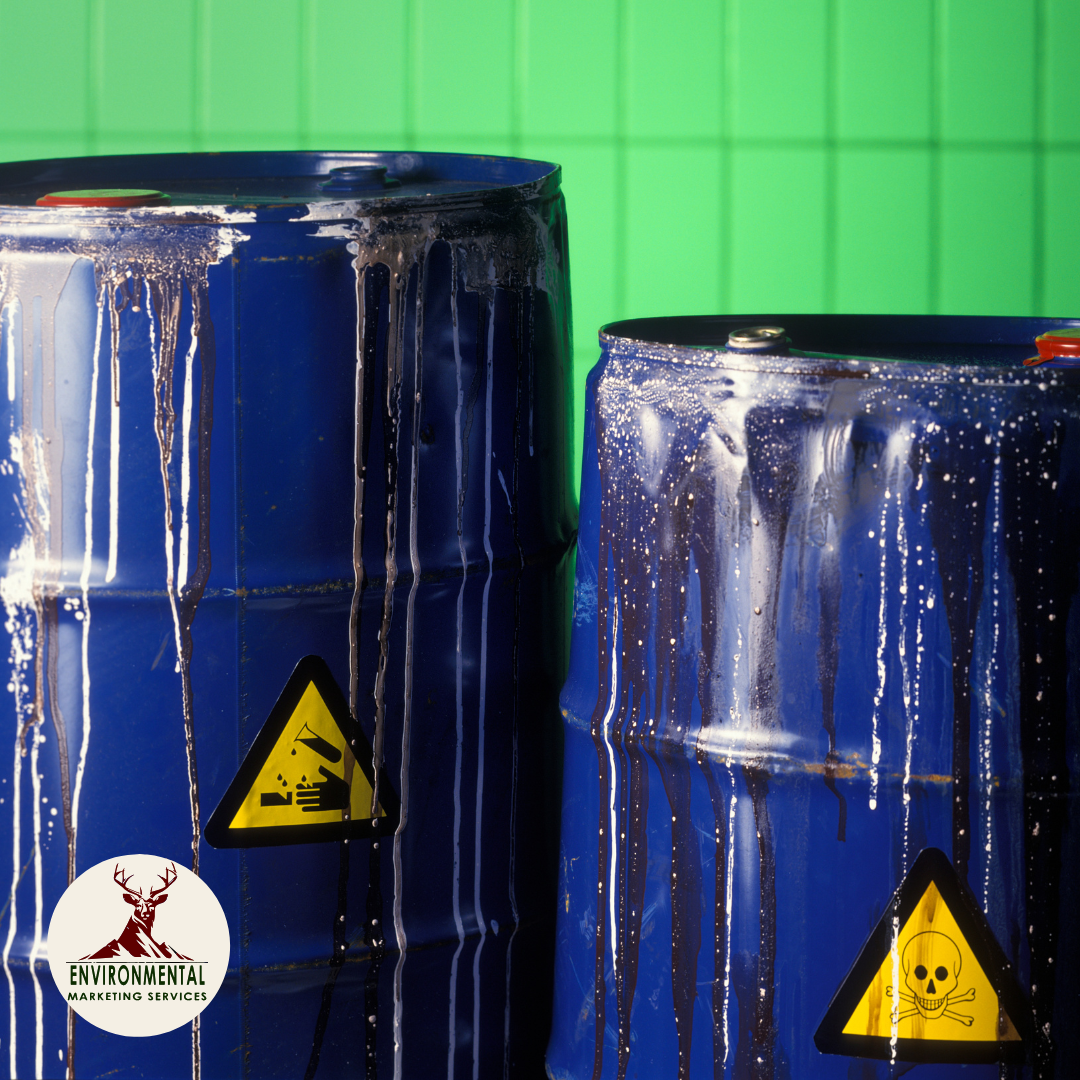
Toxic waste management is one of those things that might not make headlines every day, but for commercial labs, production facilities, and research centers, it is always a top priority. Toxic waste can include materials that are harmful to people, dangerous to the environment, or both. Managing this waste the right way helps prevent accidents, keeps buildings safer, and protects air, water, and soil.
In our field, we understand that hazardous waste services not only meet legal requirements but also give businesses peace of mind. It is not something that can be handled casually. Toxic substances need to be stored, labeled, moved, and disposed of with care, often under strict rules. As we head into the colder months, it is the time of year when some toxic materials become more difficult to manage. That makes steady, organized planning even more important.
What Counts as Toxic Waste
When people think of toxic waste, they might picture barrels of chemical sludge. In reality, toxic waste can show up in many commercial settings in ways that are not always obvious.
This type of waste usually comes from substances that pose a risk to human health or the environment. It can include:
• Spent solvents or cleaners from factories
• Expired chemicals in school science labs or healthcare labs
• Pesticides, paints, or oils stored in maintenance spaces
• Batteries or electronics that contain dangerous metals
What makes waste toxic often comes down to its chemical makeup. If it is corrosive, flammable, reactive, or poisonous, it may be considered toxic under federal or state guidelines. If not handled correctly, even a few drops can become a hazard. Pollution, workplace injuries, or harm to water and wildlife can all result from careless disposal.
Some toxic waste may not look harmful at first glance, but it can build up over time or react with other substances in dangerous ways. Identifying materials that could be toxic is an ongoing process that sometimes requires reviewing inventory, checking chemical containers, or training staff to recognize hazard symbols and safety labels.
Steps in Toxic Waste Management
Handling toxic waste safely starts with knowing what you are dealing with. We begin by identifying the materials and gathering the safety data. Each type of waste has rules about how it should be stored, labeled, and packed for removal. That is where the work begins.
After waste is identified, we make sure containers are sealed, stored properly, and kept separate if needed. Some chemicals cannot be near each other because they may react. Every container needs a label that clearly shows what is inside, when it was packed, and where it came from. That info travels with the waste until it reaches the disposal site.
Getting these steps right not only lowers risk but helps us avoid delays or issues during pickup and transport. What we do for a lab full of expired reagents looks different than what is done for a factory with oily waste and solvents. The process fits the material and the safety expectations that come with it.
We offer lab packing as a specialized service for facilities managing a variety of laboratory waste, ensuring every item is sorted, labeled, and packaged according to federal and state guidelines. We also provide recycling services for universal waste such as batteries and certain types of bulbs, supporting environmentally responsible practices.
Tracking and documentation are important parts of this process, too. Each step is logged, which creates a trail showing how the waste moved from the original site to its ultimate disposal. This level of recordkeeping is not only required by regulations but can also make inspections go more smoothly.
Why Timing Matters More in the Winter
Winter changes how we manage storage and transport. Cold temperatures can make some containers brittle or easier to crack. That makes leaks more likely if drums or bottles are not checked and stored correctly.
Certain chemicals become unstable in the cold and may need to be stored indoors or in heated units. Others need special packaging to hold up if they freeze on the way to a disposal site. Not planning around these factors can lead to accidents or lost material. As the year ends, schedules tighten, and the weather gets tougher, planning ahead becomes even more important to avoid setbacks.
Freezing rain or snow can also slow down transport. If pickups are delayed, materials need a safe place to wait. That means reviewing storage areas for any gaps, checking for labeling errors, and making sure nothing will expire before it leaves the site.
Facility teams should stay aware of changing weather forecasts in their area, as unexpected storms or drops in temperature could require moving materials or rescheduling pickups. Regular checks of heating systems and storage space are an extra way to head off problems before they occur.
Rules and Labels That Must Be Followed
Toxic waste is not just about cleanup. It is about compliance, too. From the moment we identify a material as hazardous, it must meet federal and local rules. That includes the way it is handled, where it is stored, and how paperwork is filled out.
Labels must explain what the waste is, what hazards it presents, and what date it was packed. Containers must be kept closed unless waste is being added. Everything has to follow instructions set by regulatory groups like the EPA and DOT.
If containers are mislabeled, left open, or loaded incorrectly, the results can be serious. Fines, accidents, and shutdowns are all possible. That is why attention to detail matters at every step. One small mistake can lead to big risks.
Training staff on proper labeling methods and storing printed instructions in the area where waste is handled can prevent mistakes. Regular audits and review sessions help teams stay current with changing laws or updates to federal, state, or local guidelines.
A Safer Way to Handle Toxic Waste
Managing toxic waste is more than a checklist. It takes constant care to keep everything running safely. Sometimes we see common mistakes like ignoring small spills, letting waste sit too long, or stacking incompatible materials together.
Even experienced facility teams can miss something if they are rushed or unsure about the details. That is why working with trained people who deal with toxic waste every day is usually the safest path. We understand the rules and how to build clean, correct processes from pickup to disposal.
Using a standardized process and involving experienced teams ensures that hazardous waste is always managed according to best practices. Consistent review and improvement make safety second nature and help facilities avoid disruptions, no matter what the season brings.
Dedicated Support for Winter Waste Handling
Keeping people safe, staying compliant, and protecting the space around us, that is where good toxic waste management shows its value most. Whether it is freezing outside or not, the hazards do not take a break. That is why steady routines and careful habits matter year-round.
Safe, detailed planning is the best way to stay ahead of risks when dealing with commercial toxic materials. At Environmental Marketing Services, we have built long-term processes that focus on safety, compliance, and smart scheduling throughout the year. If you are reviewing your own handling policies or preparing for winter slowdowns, now is the time to take a closer look at your needs. Learn how our hazardous waste services can support safer storage, handling, and disposal across your entire facility. Call us to schedule a conversation.