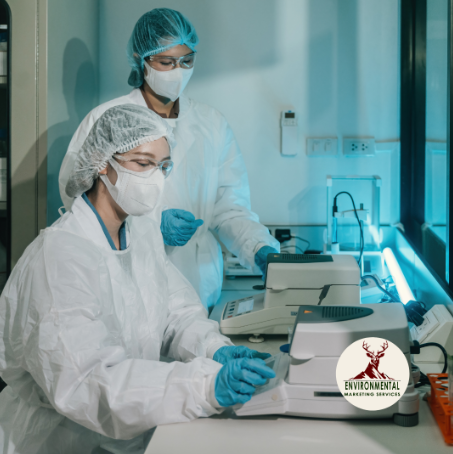
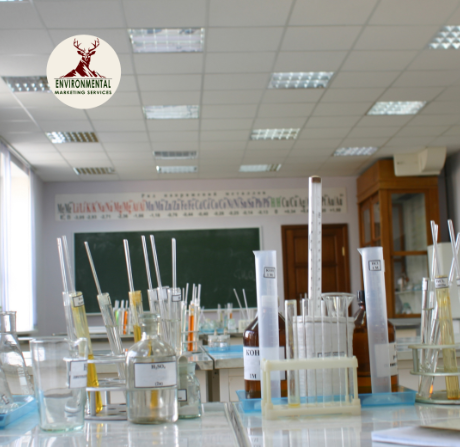
Proper laboratory waste management is a critical aspect that ensures the safety of both people and the environment. Laboratories often handle a wide variety of substances that, if not managed correctly, can pose significant risks. From chemical by-products to biological specimens, the waste generated requires careful handling to prevent harmful consequences. This kind of management helps protect those working in laboratories and the broader ecosystems affected by improper disposal practices.
When waste management protocols are not followed, the consequences can be serious. Accidents, contamination, and legal repercussions are possible outcomes. Improper disposal can lead to serious health and environmental hazards, not to mention penalties for failing to comply with regulations. A well-managed lab is like a well-maintained machine. Each part and process, including waste management, contributes to its smooth function and safety.
Understanding the types of laboratory waste and putting proper handling practices in place creates a safer, more efficient, and compliant laboratory environment.
Types of Laboratory Waste
Laboratories produce different types of waste, each requiring specific disposal methods and handling procedures. Identifying and categorizing these waste types helps implement better management strategies.
1. Chemical Waste
Chemical waste includes substances like acids, solvents, and other reactive compounds. These materials often pose risks like skin burns, toxic exposures, and dangerous reactions if handled or disposed of incorrectly. Proper containerization is crucial for safe storage. Containers must be resistant to the chemicals they hold and clearly labeled to indicate the type of waste, date, and hazard information. Techniques such as neutralization may be used before disposal, where appropriate. Staff should always follow strict guidelines to prevent exposure or dangerous spillage.
2. Biological Waste
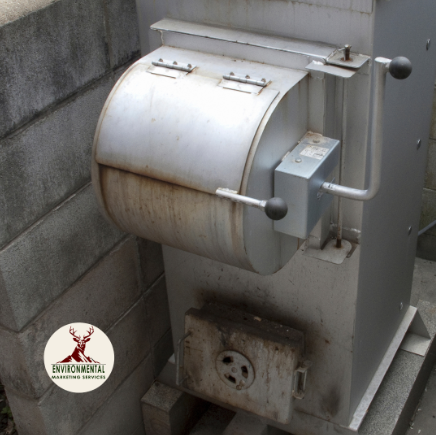
Biological waste originates from materials that may pose infection risks, such as blood samples, tissues, and bacterial cultures. Improper handling can spread harmful pathogens. Disposal methods commonly used for biological waste include autoclaving, incineration, or chemical disinfection. Biohazard containers and protective gear help prevent direct contact and contain the risk. Staff must be trained to identify and handle biological waste carefully to ensure safety for both personnel and the environment.
3. Radioactive Waste
Radioactive waste includes materials that contain or have been exposed to radionuclides. Though less common, this type of waste presents unique challenges. Handling requires the use of specialized storage containers that provide shielding, as well as proper monitoring of exposure levels. Disposal of radioactive waste is highly regulated and must follow both federal and, in some cases, state guidelines. Failures in handling these materials can result in serious health consequences. Ongoing training, use of detection equipment, and clear protocols help manage the hazards associated with radioactive substances.
Classifying waste correctly at the source makes it easier to follow appropriate safety and disposal guidelines, protecting both people and surrounding environments.
Best Practices for Managing Laboratory Waste
Effective waste management begins with a clear system and staff who understand how to follow it. Consistent practices across the lab make for fewer mistakes and greater safety.
One of the first best practices is waste segregation. Each type of lab waste—chemical, biological, and radioactive—should be kept fully separate from the others. This prevents the risk of cross-contamination or unwanted chemical reactions. Designated bins and color-coded labeling make it easier to separate and identify waste at the point of use.
Next is labeling and proper storage. Every waste container should be clearly marked with its contents and the date it was filled. These labels must be easy to read and resistant to fading or damage. Proper storage includes using containers designed for the type of material, keeping them sealed when not in use, and storing them in areas with limited access and proper ventilation. Following manufacturer and regulatory guidelines for container compatibility can reduce the risk of leaks and spills.
Staff training is another vital part of good waste management. Regular education sessions prepare staff for daily best practices and emergency situations. Training should cover proper use of personal protective equipment, how to identify different types of waste, and what to do in case of accidents or exposure. Emergency response planning, including clearly posted contact information and evacuation routes, is equally important.
By building these practices into the lab routine, safety becomes second nature.
Regulatory Compliance and Safety Standards
Compliance with local, state, and federal regulations forms the legal backbone of all operations involving hazardous lab waste. Regulations are in place to help prevent pollution, reduce workplace risks, and promote safe disposal.
Laboratories are typically subject to oversight by agencies such as the Environmental Protection Agency (EPA) and the Occupational Safety and Health Administration (OSHA). These agencies provide rules on how to store, handle, ship, and dispose of hazardous and non-hazardous waste. Non-compliance can result in fines, shutdowns, or harm to staff and the environment.
Staying current with changing regulations can be challenging, but the effort pays off in risk reduction and smoother inspections. Designating a compliance officer or team to monitor updates, attend trainings, and distribute internal reports helps a lab stay ready. Using compliance checklists or software tools also supports consistent adherence to protocols.
Performing internal audits on a routine basis helps labs identify gaps in current practices. These reviews can assess labeling clarity, storage conditions, or employee understanding of handling procedures. Audits also prepare the lab for formal inspections and improve overall safety culture.
Labs that proactively keep compliance at the forefront reduce the likelihood of incidents and legal penalties.
How Professional Waste Management Services Can Help
Managing hazardous waste in-house often consumes time, resources, and energy that labs could use more effectively elsewhere. This is where professional waste management services fill an important role.
By hiring professionals, laboratories gain access to specialized tools, trained personnel, and established protocols designed specifically for different types of waste. Whether the need is regular waste pickup, emergency waste responses, or custom training sessions, many services are built to match the specific needs of each lab.
Professional teams handle tasks like packaging, transport, manifest documentation, and final waste disposal. They ensure each step follows local and federal regulations. Their staff stays up to date with changes in laws and safety practices, so labs don’t need to dedicate internal resources to the same extent.
In addition to disposal, many providers offer compliance consultations and staff training sessions tailored to laboratory environments. These can improve workflow precision and boost confidence that operations are being carried out safely and correctly.
Partnering with qualified waste disposal experts decreases potential risks and keeps laboratory operations focused on research and results.
Building a Stronger Safety Culture in Your Lab
A safe and compliant lab environment depends on the continued effort of both staff and management. Laboratory waste management, when treated as a routine and valued part of lab operations, strengthens safety culture and protects everyone involved.
Proper classification and handling of chemical, biological, and radioactive waste create the groundwork for safety. Ongoing documentation and review of regulatory requirements allow a lab to remain publicly accountable and legally protected. Structured staff training brings all team members onto the same page with current best practices.
When labs work with professionals who understand the full waste lifecycle—from identification to final disposal—they gain peace of mind and remove unnecessary risks. With a clear focus on prevention, compliance, and education, your laboratory can maintain high-performing, risk-aware operations while contributing to environmental protection.
Taking action today sets the tone for long-term success and safety.
Leveraging professional support can greatly improve how laboratories handle their waste, ensuring both safety and compliance. At Environmental Marketing Services, we offer tailored solutions that support a wide range of waste management needs.
Learn how our expertise in services for hazardous waste can help streamline your processes while upholding the highest safety standards. Let us help you maintain a safe, efficient, and compliant laboratory environment.