Protecting People and the Planet with Smart Waste Solutions
Chemical waste disposal is not just a box to check; it is a daily safety decision that affects your people, your community, and your bottom line. Whether you run an industrial plant, a hospital, a research lab, or a commercial facility, chemicals move through your site in raw materials, products, and byproducts. What happens to those chemicals when they are spent, expired, or contaminated matters for worker safety, regulatory liability, and long-term environmental impact.
Chemical waste includes hazardous waste, non-hazardous industrial waste, and universal waste. Hazardous waste is regulated because it is ignitable, corrosive, reactive, or toxic. Non-hazardous waste may not meet those strict definitions, but it can still cause issues if it is stored, mixed, or disposed of incorrectly. Universal waste, such as lamps and batteries, is common, easy to overlook, and often mishandled without a structured program.
Trying to manage every stage of chemical waste disposal in-house can quickly become overwhelming. Regulations change, staff turns over, and what seems like a harmless shortcut can lead to violations or incidents. Working with a professional chemical waste disposal company simplifies that picture. Our role is to help you manage chemical waste safely, cost-effectively, and in line with federal and state rules.
At Environmental Marketing Services, LLC, based in Seneca, South Carolina, we provide transportation, disposal, and recycling solutions for hazardous, non-hazardous, and universal waste through vetted partners across most of the United States. In this article, we share a practical guide to services and compliance so you can better protect your people, property, and the environment.
What a Chemical Waste Disposal Company Actually Does
A qualified chemical waste disposal provider does far more than haul drums off your site. The work starts with understanding exactly what you have and how it needs to be handled. Waste profiling and characterization are the foundation. We review Safety Data Sheets, process information, and sometimes laboratory analysis to identify the proper waste codes and handling standards. Without accurate profiling, every other step is at risk.
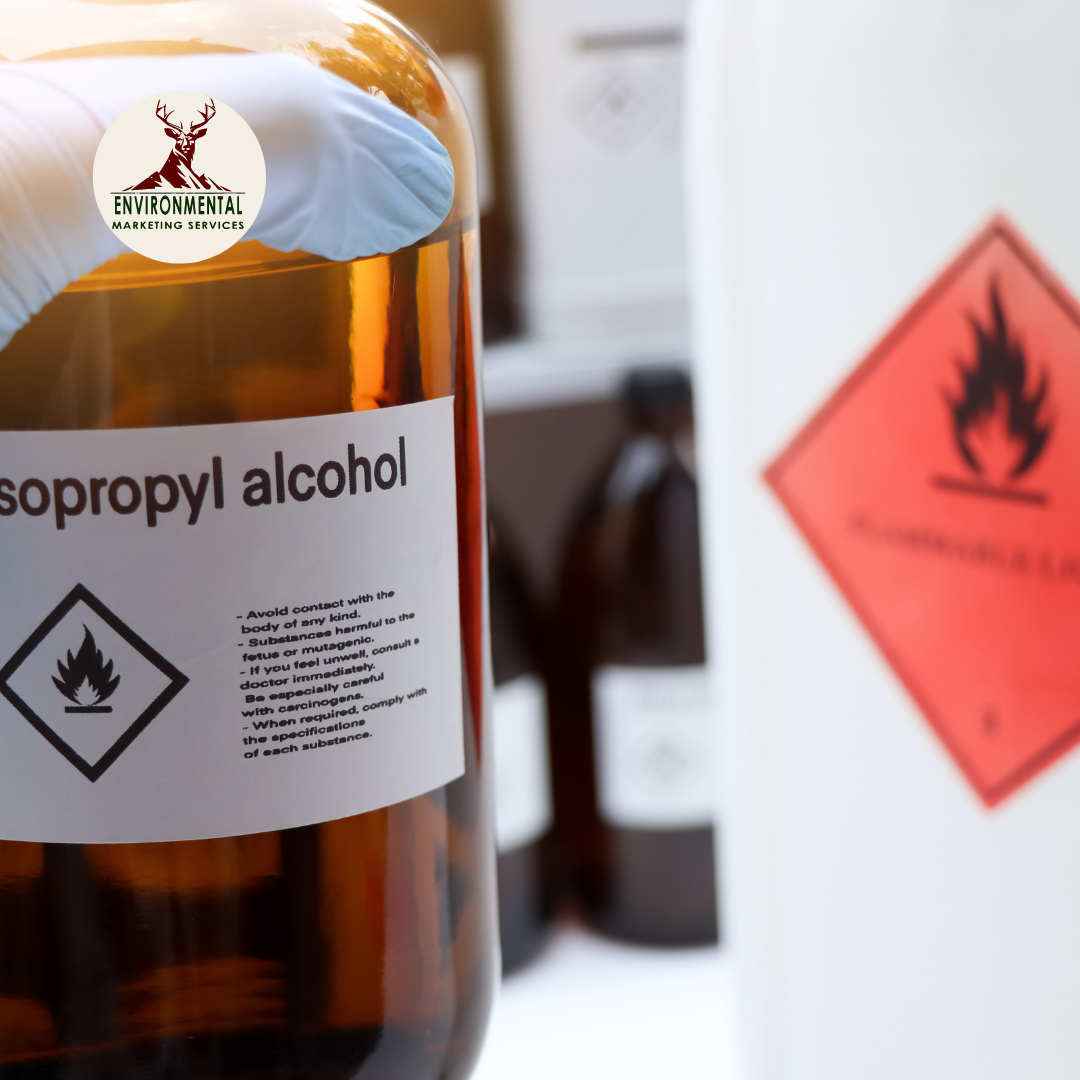
Once wastes are understood, the focus shifts to packaging and labeling. That includes selecting compatible containers, segregating incompatible materials, marking each container correctly, and preparing accumulation areas that meet storage rules. Proper labels and hazard markings are not just paperwork, they are how drivers, facility staff, and emergency responders know what they are dealing with.
Manifest preparation is another core function. The hazardous waste manifest creates the official record of what leaves your site, where it is going, and who is responsible at each step. A disposal company helps prepare, review, and route these documents so they match regulatory requirements and your generator status. For non-hazardous and universal waste, there are still shipping papers, weight tickets, and certificates of recycling or disposal to manage.
Transportation, treatment, recycling, and final disposal bring everything together. We coordinate shipment to treatment, storage, and disposal facilities that are permitted to handle each waste type, whether that means fuel blending, neutralization, stabilization, incineration, or recycling. Because Environmental Marketing Services works through vetted partners in most states, we are able to coordinate nationwide logistics with an eye on both compliance and cost.
Beyond the basics, a good provider offers services that make life easier for your team, such as:
- On-site waste assessments to review storage, labeling, and segregation
- Waste minimization guidance to reduce volumes and disposal costs
- Turnkey project management for cleanouts, lab moves, or plant changes
- Scheduled or on-call pickups based on your operating rhythms
These value-add services help you move from reactive cleanup to a planned, predictable waste program.
Key Waste Streams: Hazardous, Non-Hazardous, and Universal
Hazardous waste is defined by characteristics like ignitability, corrosivity, reactivity, and toxicity, or by specific listings under federal and state rules. In industrial facilities, this could include spent solvents, paint waste, caustic cleaners, or off-spec products. In laboratories, it may be reagents, acids, bases, or research samples. In healthcare, examples include certain chemotherapy drugs, solvents, and some cleaning chemicals. These wastes need tight control: closed containers, secondary containment, accurate labels, and detailed documentation.
Non-hazardous industrial waste covers materials that are not classified as hazardous but still should not be thrown in regular trash or poured down drains. Examples include some wastewater sludges, absorbents, certain process residues, and off-spec materials that are stable and non-reactive. Managing non-hazardous waste correctly still matters because volume, disposal methods, and landfill options affect cost and sustainability. A professional disposal company helps segregate streams so you are not paying hazardous rates for non-hazardous material.
Universal waste is often the most visible waste stream in a building and, at the same time, the easiest to mishandle. This category includes items like fluorescent and LED lamps, many types of batteries, some electronics, and certain mercury-containing equipment. These wastes are common in offices, warehouses, healthcare facilities, and schools. A structured universal waste program helps you:
- Collect and store items safely in clearly marked containers
- Arrange regular pickups that fit your maintenance schedule
- Increase recycling rates while reducing landfill reliance
A chemical waste disposal provider designs different solutions for each waste stream. That might mean dedicated containers and pickup schedules, specific labels and tracking, or routing certain materials to recycling while others go to treatment or disposal facilities.
Navigating the Regulatory Maze with Confidence
Chemical waste disposal is shaped by multiple regulatory frameworks that overlap at your loading dock and in your storage rooms. The Resource Conservation and Recovery Act, or RCRA, sets the baseline for hazardous waste identification, storage, and disposal. Department of Transportation rules govern how hazardous materials are packaged, labeled, and shipped on public roads. OSHA requirements address worker training, hazard communication, and safe handling practices in your facility. On top of that, state environmental agencies often add their own rules or more stringent limits.
Generator status is one of the most important concepts under hazardous waste rules. Facilities are generally grouped into very small quantity generators, small quantity generators, and large quantity generators, based on how much hazardous waste they produce in a month. Your status affects:
- How much hazardous waste you can store onsite
- How long you can keep waste before shipment
- The level of training, documentation, and contingency planning required
This is where an expert partner can make a real difference. We help clients classify their generator status correctly, set up storage areas that meet container and time limit rules, and build labeling habits that stand up to inspections. We also support manifest management, record retention, and training coordination, so your team has the information they need when regulators visit or internal audits take place.
Choosing the Right Chemical Waste Disposal Partner
Selecting a chemical waste disposal company is a risk decision as much as a cost decision. You are trusting another organization with your regulatory exposure and your reputation. When evaluating providers, it helps to look at several practical criteria:
- Appropriate licenses and permits for the services offered
- A solid safety and compliance record over time
- Experience with your industry and typical waste streams
- Ability to service multiple locations with consistent standards
- Clear, transparent pricing and invoicing
Equally important is what happens to your waste once it leaves your loading dock. Audited and vetted downstream facilities help ensure that treatment, recycling, and disposal are done properly, with documentation you can rely on. You do not want surprises years later because a third-party facility cut corners.
Working with an integrated provider like Environmental Marketing Services, with nationwide reach through vetted partners and experience across industrial, healthcare, laboratory, and commercial settings, allows you to build a single, cohesive program instead of juggling multiple vendors. That consistency supports safer operations, cleaner documentation, and fewer compliance gaps.
From Risk to Reliability: Next Steps for Safer Waste Management
Turning chemical waste disposal from a persistent worry into a reliable process starts with an honest look at your current practices. Walk your facility with fresh eyes. Are containers labeled completely and correctly? Are accumulation areas orderly, with compatible wastes stored together and incompatible materials separated? Are manifests and training records easy to find and up to date?
Once you identify where the gaps are, prioritize fixes that reduce immediate risk, like cleaning up storage areas or correcting labels, then move toward longer-term improvements like updated procedures and staff training. Partnering with a qualified chemical waste disposal provider for a waste program review or audit can give you a clear roadmap. With the right support, you can improve safety, reduce disposal costs, and keep your facility comfortably aligned with regulatory expectations, season after season.
Protect Your Facility With Compliant Chemical Waste Solutions
If you are ready to streamline hazardous materials handling and reduce liability, our team can help you put a safe, compliant plan in place. Learn how our specialized chemical waste disposal services keep your operations running smoothly while protecting people and the environment. At Environmental Marketing Services, we work with you to design solutions that fit your processes, timelines, and regulatory obligations. Reach out through our contact us page so we can discuss the right approach for your facility.