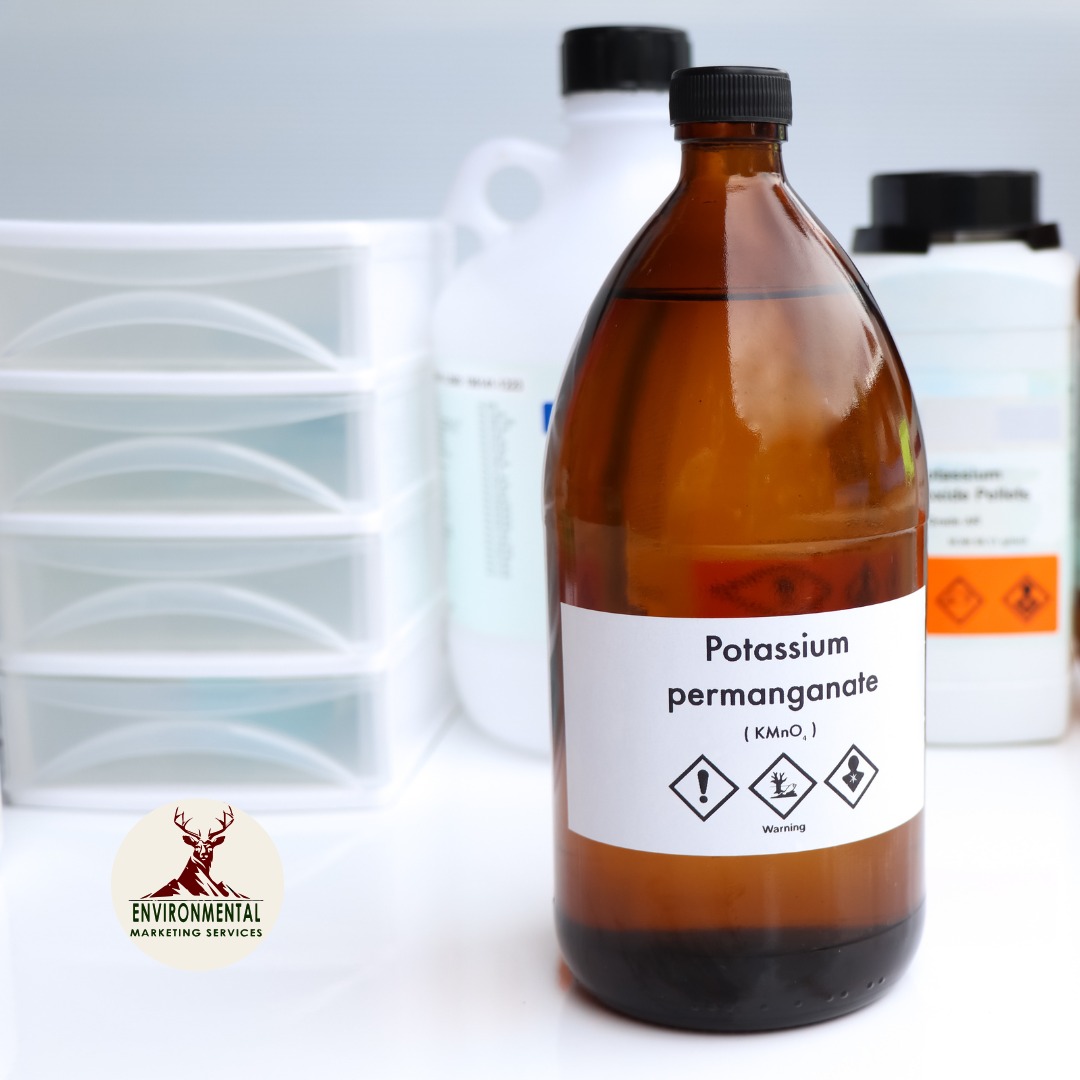
Protecting People and the Planet From Chemical Waste
A small spill in a storage room, an unmarked drum in the corner of a warehouse, or a cabinet full of expired lab chemicals can change a normal workday in seconds. If chemical waste is mishandled, what starts as a simple housekeeping issue can quickly turn into injuries, regulatory fines, or even a shutdown. Every business that uses chemicals, from industrial plants to healthcare facilities, lives with this reality.
Safe chemical waste disposal is not just a regulatory requirement; it is a core part of protecting workers, surrounding communities, and the environment. It also affects how regulators view your facility and how customers view your brand. At Environmental Marketing Services, LLC, based in Seneca, South Carolina, we help industrial, laboratory, healthcare, and commercial generators across the country manage hazardous, non-hazardous, and universal waste in a way that is safe, efficient, and compliant.
Understanding What Counts as Chemical Waste
Chemical waste includes any leftover, spent, contaminated, or expired chemical that your facility can no longer use as intended. This can range from common shop solvents and cleaning agents to specialty lab reagents and pharmaceuticals. Some of these wastes are hazardous, some are non-hazardous, and some fall into a special category called universal waste.
Hazardous chemical waste typically includes materials that are ignitable, corrosive, reactive, or toxic. Examples are spent solvents, strong acids, bases, certain metal-containing solutions, and some pharmaceutical products. Non-hazardous waste covers chemicals that do not meet hazardous criteria but still need to be handled responsibly, such as some cleaning solutions or process residues. Universal waste usually refers to widely generated items like batteries, fluorescent lamps, certain pesticides, and some electronics that contain regulated components.
These categories matter because regulations from agencies like the EPA, DOT, and OSHA use them to define how waste must be classified, labeled, stored, transported, and treated. A solvent that is considered hazardous will have different packaging and shipping requirements than a non-hazardous neutral salt, even if they come from the same process line. OSHA rules overlay on top of this by focusing on worker safety, labeling, and training.
If waste is misidentified, your facility can face increased risk, liability, and cost. For example, treating hazardous waste as if it were non-hazardous can lead to violations and safety incidents. On the other hand, over-classifying waste can inflate disposal expenses unnecessarily. Professional profiling and waste characterization help you determine the correct category so you can choose the right storage, transport, and disposal options while staying in compliance.
Safe Handling Practices From Storage to Pickup
Safe chemical waste disposal starts long before a truck pulls up at your loading dock. It begins with how you label and manage containers in your facility. Every container should be compatible with the waste it holds, securely closed when not in use, and clearly labeled so there is no confusion about contents or hazards.
Good labeling includes the full chemical name or description of the waste, hazard warnings, and the accumulation start date when required. Incompatible chemicals, such as acids and bases or oxidizers and organic solvents, should be kept in separate containers and stored apart to prevent dangerous reactions if a leak occurs. Containers should not be overfilled, and funnels or open tops should not be left in place.
Storage areas should be designed with safety in mind. That means:
- Adequate ventilation appropriate to the types of chemicals stored
- Secondary containment, such as trays or berms, to capture leaks or spills
- Clearly marked areas with restricted access to trained personnel only
- Readily available spill control materials, like absorbents and neutralizers
- Clear signage identifying hazards and emergency exits
Training and written procedures tie everything together. Personnel who handle chemical waste should understand the types of waste they are dealing with, appropriate PPE, and what to do in case of a spill or exposure. Written procedures should cover routine handling, labeling, storage, and spill response, as well as when to stop and call for professional support. When a situation exceeds your in-house capabilities, such as a large spill or unknown waste, bringing in a professional chemical waste disposal provider like Environmental Marketing Services helps protect your staff and your facility.
Compliant Chemical Waste Disposal and Transport
Once waste is ready to leave your site, the formal disposal process begins. It usually starts with waste profiling, which documents the physical and chemical characteristics of each waste stream. This information guides how the waste is classified, packaged, and managed at its final destination, whether that is treatment, disposal, or recycling.
After profiling, hazardous waste shipments are typically accompanied by a manifest. This document tracks the waste from your facility to the receiving facility, providing a paper trail that regulators expect during inspections. Packaging and loading must match both EPA and DOT requirements, including the use of approved containers, proper labels and marks, and any required placards on transport vehicles.
DOT rules are especially important once waste is on the road. They define who can transport hazardous materials, how they must be secured, and what documentation drivers must carry. Using licensed, insured transporters is an important part of managing liability. If there is an incident in transit, regulators will look at the entire chain of responsibility, from the generator to the transporter and final facility.
For many businesses, working with a single nationwide provider for chemical waste disposal simplifies this process. A coordinated approach can help with:
- Consistent profiling and waste classification across multiple locations
- Centralized documentation and manifest tracking
- Standardized packaging and labeling practices
- Smoother audits and inspections, since records are organized and accessible
This kind of consistency saves time and reduces the stress that comes with regulatory reviews.
Reducing Waste Through Recycling and Better Purchasing
Safe chemical waste disposal is only part of the picture. Reducing the amount of waste you generate can lower costs and environmental impact at the same time. Many facilities have opportunities to recycle or recover value from materials that would otherwise be treated as waste.
Common recycling options for chemical and universal waste include solvent recovery, fuel blending for certain organic wastes, and recycling programs for lamps, batteries, and electronics. For example, spent solvents may be distilled and reused, and fluorescent lamps can be processed to recover glass and metals while properly managing mercury.
Source reduction, or preventing waste in the first place, is equally important. Practical strategies include:
- Right-sizing orders so chemicals are used before they expire
- Standardizing product lines to reduce partial containers and incompatible materials
- Rotating stock using first-in, first-out practices
- Selecting less hazardous alternatives when performance requirements allow
- Reviewing processes to identify where small changes can reduce waste generation
At Environmental Marketing Services, we help clients look at their overall waste streams so they can spot recycling and minimization opportunities that fit their operations. Often, a combination of better purchasing habits and targeted recycling programs leads to safer work environments and more predictable disposal costs.
Building a Safer Chemical Waste Management Program
A strong chemical waste management program does not happen by accident. It comes from regularly reviewing how waste is generated, labeled, stored, and shipped, as well as how staff are trained and supported. Many facilities benefit from walking through their current practices with a fresh set of eyes, asking where documentation might be incomplete, where labeling could be clearer, or where storage areas could be improved.
When chemical waste disposal is handled proactively, your facility is less likely to experience incidents and more likely to have smooth inspections. Benefits often include fewer near-misses and emergencies, better morale among employees who see that their safety is valued, and more predictable waste-related expenses. Over time, this kind of program supports a stronger safety culture where people know what to do and feel confident doing it.
Environmental Marketing Services, LLC provides transportation, disposal, and recycling solutions for hazardous, non-hazardous, and universal waste across industrial, laboratory, healthcare, and commercial operations. By focusing on safe handling, regulatory compliance, and practical waste reduction, we work with facilities to build programs that protect people, support environmental goals, and keep operations running smoothly.
Get Started With Your Project Today
If you are ready to manage your hazardous materials responsibly, our team at Environmental Marketing Services is here to help with compliant chemical waste disposal tailored to your operation. We handle the logistics and regulatory details so you can stay focused on your core work while protecting people and the environment. Reach out today to discuss your specific waste streams and timelines, and we will recommend a clear, practical path forward. To schedule a consultation or request a quote, simply contact us.