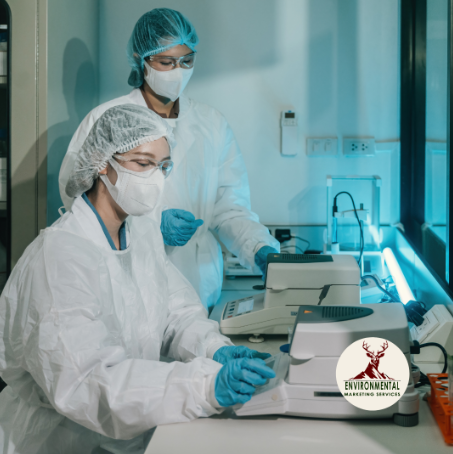
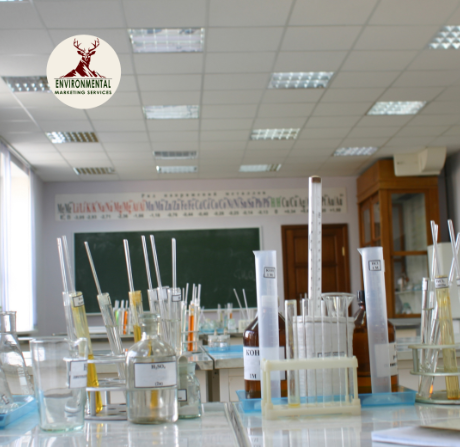
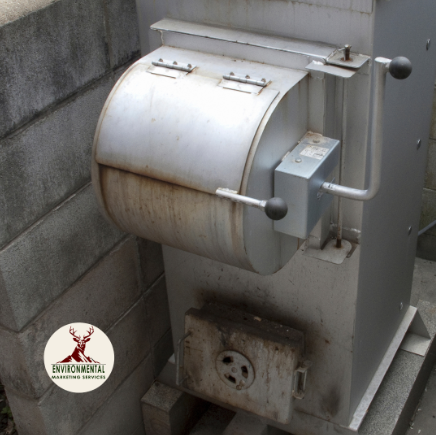
The management of waste generated within chemistry laboratories, while potentially perceived as complex, is a critical responsibility for ensuring personnel safety and environmental stewardship. The frequency of experimental procedures, testing protocols, and research activities in laboratory settings leads to a rapid accumulation of waste. Furthermore, the disposal of such waste necessitates adherence to specialized procedures distinct from those applicable to conventional refuse.
Most chemistry labs deal with several types of waste. You’ll often find chemical leftovers from reactions, materials used in biological testing, and in some cases, even radioactive substances. Each one needs a thoughtful approach so no harm comes to anyone or anything nearby. Learning the basics can go a long way in building a safer, more organized lab.
Understanding Chemistry Lab Waste
When labs work with chemicals and materials regularly, the waste produced falls into three main groups: chemical, biological, and radioactive. Each type can be dangerous in its own way, which is why understanding how to handle them is so important.
– Chemical Waste: These are unused or leftover substances like solvents, reagents, and acids. Some may be harmful if spilled or mixed, so knowing what’s inside each container is key.
– Biological Waste: Often found in labs that work with living things, this waste might contain microorganisms or tissue samples that could carry risks.
– Radioactive Waste: Though not in every lab, radioactive material is used in medical and scientific research. Waste from these sources requires special containers and tracking systems to avoid exposure.
These types of waste are labeled as hazardous because they can harm human health or the environment. Because of that, there are strict rules set by government agencies like the Environmental Protection Agency (EPA) and Occupational Safety and Health Administration (OSHA). Labs must follow these guidelines to avoid accidents, fines, or long-term damage.
Proper labeling, correct container use, and knowing the right procedure make a big difference. It helps to think of the process like a checklist. When every step is followed, it keeps things running smoothly and safely.
Organizing Your Lab for Safe Disposal
A well-organized lab is one of the best ways to manage waste disposal properly. It helps workers avoid confusion and lowers the chances of accidents.
Labels are the first tool in staying organized. Every waste container should clearly show what’s inside. Use easy-to-read labels that include the name of the chemical, the type of hazard, and the date. Some labs also use colors or symbols to make sorting even easier.
Keeping an inventory of all materials on hand is another important step. This lets the team track what has been used, what’s left, and what needs to be removed. It also ensures that no waste sits too long, which can lead to contamination or leaks.
Storing waste safely is just as necessary. Containers should be stored in areas where they can’t be knocked over, exposed to heat, or mixed with other materials. Having a set area or cabinet just for waste storage can help the lab stay cleaner and more organized. With a combination of labeling, tracking, and thoughtful storage, lab workers can lower risks and improve the workflow.
Disposal Procedures
Once waste is gathered and stored properly, the next step is disposal. This process follows specific rules for each type of waste. Here’s a closer look at what the disposal process usually involves:
- Identify and Separate: Accurately determine the precise chemical composition, biological nature, or radioactive properties of each waste material. Segregate waste into distinct containers based on these classifications. For example, separate halogenated solvents from non-halogenated solvents, biohazardous materials from sharps, and different isotopes of radioactive waste according to their half-lives and activity levels.
- Package Properly: Use containers built for hazardous materials. Make sure they are sealed tight, have no leaks, and are made of materials that can hold up to the kind of waste inside.
- Label Clearly: Attach labels that include the contents, any dangers involved, and collection dates. This helps everyone from lab techs to transport workers know what they’re dealing with.
- Follow Transportation Guidelines: When the waste leaves the lab, it must be handled and moved the right way. Local and federal laws explain how it should be packed, loaded, and transported. This protects both people and the environment along the route.
Each lab may have its own protocols, but the goal is always the same—safe and legal handling. When lab staff know the steps and follow them carefully, it keeps the environment and everyone in the lab safe from harm.
Choosing a Professional Waste Disposal Service
While some labs can handle small amounts of waste with their own process, most will need outside support for getting rid of larger or more dangerous materials. That’s where a professional waste disposal service comes in.
These services specialize in handling all types of hazardous lab waste. They understand the laws, have the right tools, and know the safest way to collect, transport, and dispose of material.
Here are a few things to look for when choosing a provider:
– Experience and Certification: The company should have proper training and credentials to show they meet safety and legal standards.
– Reliable Handling: A good provider will have a detailed process for each step, from collection and labeling all the way to final disposal, and they should be able to explain how it works.
– Support and Communication: Waste disposal isn’t just a one-time task. The service should answer your questions, offer guidance, and remain available if updates or changes come up.
Making the choice to work with a waste disposal provider lifts a major burden off of your team. It prevents problems, limits risk, and keeps your lab running by the book. A dependable partner lets you focus on lab work while they take care of the waste.
Creating a Safer Lab Environment
Safe waste handling starts with education and routine. When every person working in the lab understands how waste should be handled, it lowers mistakes and builds a shared sense of responsibility.
Training sessions give staff clear steps to follow. Everyone should know how to label containers, recognize different types of waste, and understand why each step matters. Refresher courses on a regular basis can help make sure nothing is forgotten.
Having response plans in place is also important. Spills and accidents can happen, and being ready with the right plan can keep them from becoming worse. Each lab should keep spill kits on hand and have steps written out for what to do when a container leaks or breaks.
Inspections help maintain a clean and hazard-free space. Whether done weekly or monthly, these audits catch small problems before they grow into big ones. Over time, a routine checklist can become part of a reliable system that works on its own.
By doing these things, labs can run more smoothly, avoid harm, and feel confident that their waste is being handled correctly. It’s not just about getting rid of waste. It’s about keeping everyone safe and building habits that lead to long-term success.
For comprehensive and professional handling of your lab’s waste disposal needs, explore our hazardous waste services to ensure all materials are managed safely and efficiently. Environmental Marketing Services is here to support a secure and compliant working environment for your team.