Protecting People and the Planet From Hazardous Waste
Hazardous waste is any material that can seriously harm people, property, or the environment if it is not handled correctly. Solvents, acids, spent lab chemicals, contaminated PPE, and certain pharmaceuticals are just a few examples that show up every day in industrial plants, laboratories, healthcare facilities, and commercial buildings. When these materials are mismanaged, they can cause fires, toxic exposures, groundwater contamination, and long-term liabilities for the generator.
Safe handling and regulatory compliance are inseparable. If a waste program ignores safety, compliance will eventually fail. If it ignores the regulations, even the safest intentions can lead to violations and unexpected costs. At Environmental Marketing Services, LLC (based in Seneca, SC, and serving customers across 47 states), we design hazardous waste disposal services that connect safe daily practices with practical, compliant disposal and recycling solutions.
Understanding What Counts as Hazardous Waste
The first step in any responsible waste program is knowing exactly what you have. Hazardous waste is generally a discarded material that is dangerous or potentially harmful to human health or the environment. Non-hazardous waste does not meet regulatory hazard criteria but still needs proper handling. Universal waste is a special category that covers certain common items like fluorescent lamps, some batteries, and specific electronics, which are handled under streamlined rules.
Most hazardous waste falls into four main categories on-site: ignitable, corrosive, reactive, and toxic. Ignitable wastes include many solvents, alcohols, and flammable fuels. Corrosive wastes are typically strong acids or bases that can damage metals and tissue. Reactive wastes might be unstable chemicals that react violently with water or air. Toxic wastes can include heavy metal solutions, certain pesticides, and some pharmaceutical products. Facilities usually identify these through Safety Data Sheets, process knowledge, and profiling done with their hazardous waste disposal services provider.
Misclassifying waste has real consequences. If a hazardous waste is treated as non-hazardous, workers and the surrounding community face greater risk of exposure, and regulators can issue penalties. On the other hand, over-classifying waste can send materials to higher-cost disposal options unnecessarily. Accurate characterization protects people, avoids violations, and manages budgets more effectively.
Safety First in Handling and Storage
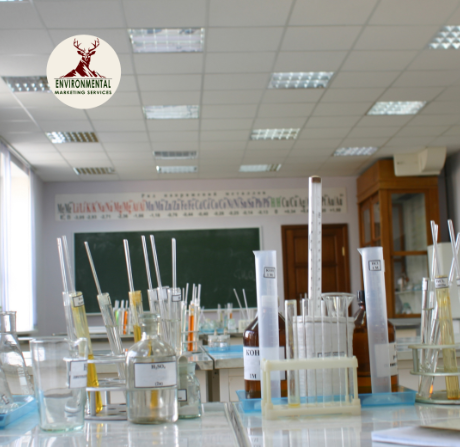
Every drum, container, and lab bottle represents a potential incident if it is not handled correctly. Effective personal protective equipment, or PPE, starts with a risk assessment that considers splash, inhalation, fire, and physical hazards. Gloves, eye and face protection, appropriate footwear, and in some cases respiratory protection should match the materials being handled, not just a generic checklist.
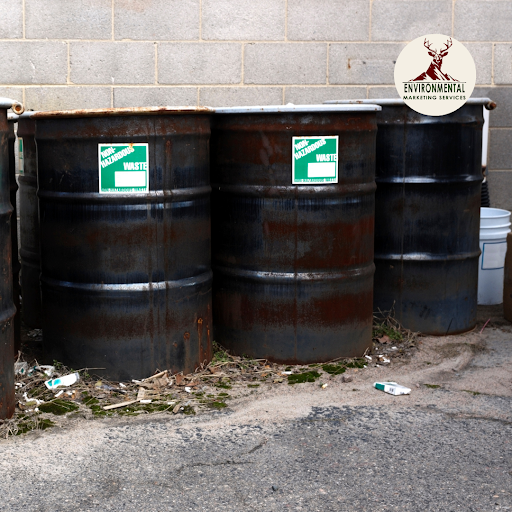
Labels and segregation are equally important. Wastes must be clearly labeled so anyone in the area knows what is in each container and whether it is hazardous. Incompatible materials, such as acids and bases or oxidizers and organics, should be stored separately to prevent dangerous reactions. Many facilities use designated accumulation areas, with marked zones or cabinets for different hazard classes to reduce the chance of mixing.
Storage conditions are another core part of safe handling. Containers should be closed when not in use, structurally sound, and compatible with the waste inside. Secondary containment, like spill pallets or berms, adds protection if a drum leaks or is knocked over. Generators also have accumulation time limits, so containers are not left indefinitely. Working with experienced hazardous waste disposal services helps schedule pickups in a way that respects these timeframes and keeps storage areas orderly.
Employee training ties everything together. Workers need to know how to recognize hazards, handle containers, respond to spills, and report issues quickly. A clear spill response plan, with readily available absorbents, overpack drums, and communication procedures, helps small issues stay small and keeps people away from harm.
Regulations, Generator Responsibilities, and Partner Selection
Hazardous waste regulations can feel technical, but the basic ideas are straightforward. Federal rules set the foundation for how hazardous waste is identified, stored, transported, and disposed. States can and often do add stricter requirements. Generators are typically grouped into categories based on how much hazardous waste they produce in a given period, and each category has its own set of obligations.
Common responsibilities include correct classification, proper container management, clear labeling, and maintaining required records. When waste leaves your site, a shipping document called a manifest generally travels with it, recording what is being shipped, where it is going, and who is handling it. Keeping manifests, land disposal restriction forms, and training records organized is an important part of showing ongoing compliance.
Many violations trace back to simple issues such as missing or incomplete labels, containers left open, accumulation areas that exceed time or volume limits, or gaps in training documentation. A reliable provider of hazardous waste disposal services can help identify these weak spots during routine interactions and suggest practical corrections before they attract regulatory attention.
Selecting that provider is a key decision. Generators should look for partners with:
- Appropriate licenses and permits for the types of waste they manage
- Broad geographic coverage that matches current and future facility locations
- A strong culture of safety and clear operating procedures
- Adequate insurance and transparent documentation practices
Turnkey support is especially valuable. A single point of contact who can assist with profiling, packaging guidance, transportation, recycling options, treatment planning, and final disposal gives generators a cohesive program instead of a patchwork of vendors. At Environmental Marketing Services, LLC, we work with hazardous, non-hazardous, and universal waste streams and support customers across 47 states with programs designed around their specific operations.
Practical Steps to Strengthen Your Waste Program
Improving a waste program does not need to be overwhelming. A structured, step-by-step approach keeps progress manageable and visible. A simple framework might look like this:
- Conduct a full inventory of all chemicals, by-products, and waste streams
- Classify each stream as hazardous, non-hazardous, or universal, with proper documentation
- Review storage areas, labels, and containers against regulatory requirements
- Evaluate current vendors, transportation schedules, and cost structure
- Select or confirm a hazardous waste disposal partner and align on clear procedures
Waste reduction is another powerful way to lower risk and cost. Opportunities often appear when facilities carefully review what is going into their waste drums. Better segregation keeps recyclable materials out of hazardous containers and reduces unnecessary mixing. In manufacturing and labs, process adjustments, closed transfer systems, and product substitutions can cut down on waste generation. For items like lamps, batteries, and electronics, universal waste programs and recycling options can divert material from more intensive disposal methods.
Regular internal audits keep the program from drifting off track. Walking the accumulation areas, reviewing manifests, and verifying training records on a routine schedule helps catch small issues early. When generators and their hazardous waste disposal services provider share findings and improvement ideas, they create a feedback loop that supports long-term compliance, better safety habits, and budget control.
Moving Toward Safer, Compliant Waste Management
Safe handling, accurate classification, and regulatory compliance all work together to reduce liability and protect people and the environment. Hazardous, non-hazardous, and universal waste streams may look different from one facility to another, but the core responsibilities are similar: know what you have, store it safely, document it properly, and send it to the right destination.
An experienced partner like Environmental Marketing Services, LLC can help translate complex requirements into practical steps that fit daily operations. By reviewing existing practices, tightening up storage and labeling, and aligning with a capable provider of hazardous waste disposal services, generators of all sizes can strengthen safety culture, support environmental protection, and keep their waste programs on solid ground.
Protect Your Facility And Stay Fully Compliant Today
If you are ready to manage hazardous materials safely and meet all regulatory requirements, our team at Environmental Marketing Services is here to help. Learn how our specialized hazardous waste disposal services can streamline your operations and reduce risk. To discuss your specific waste streams or schedule a service, simply contact us and we will work with you to build a solution that fits your facility.