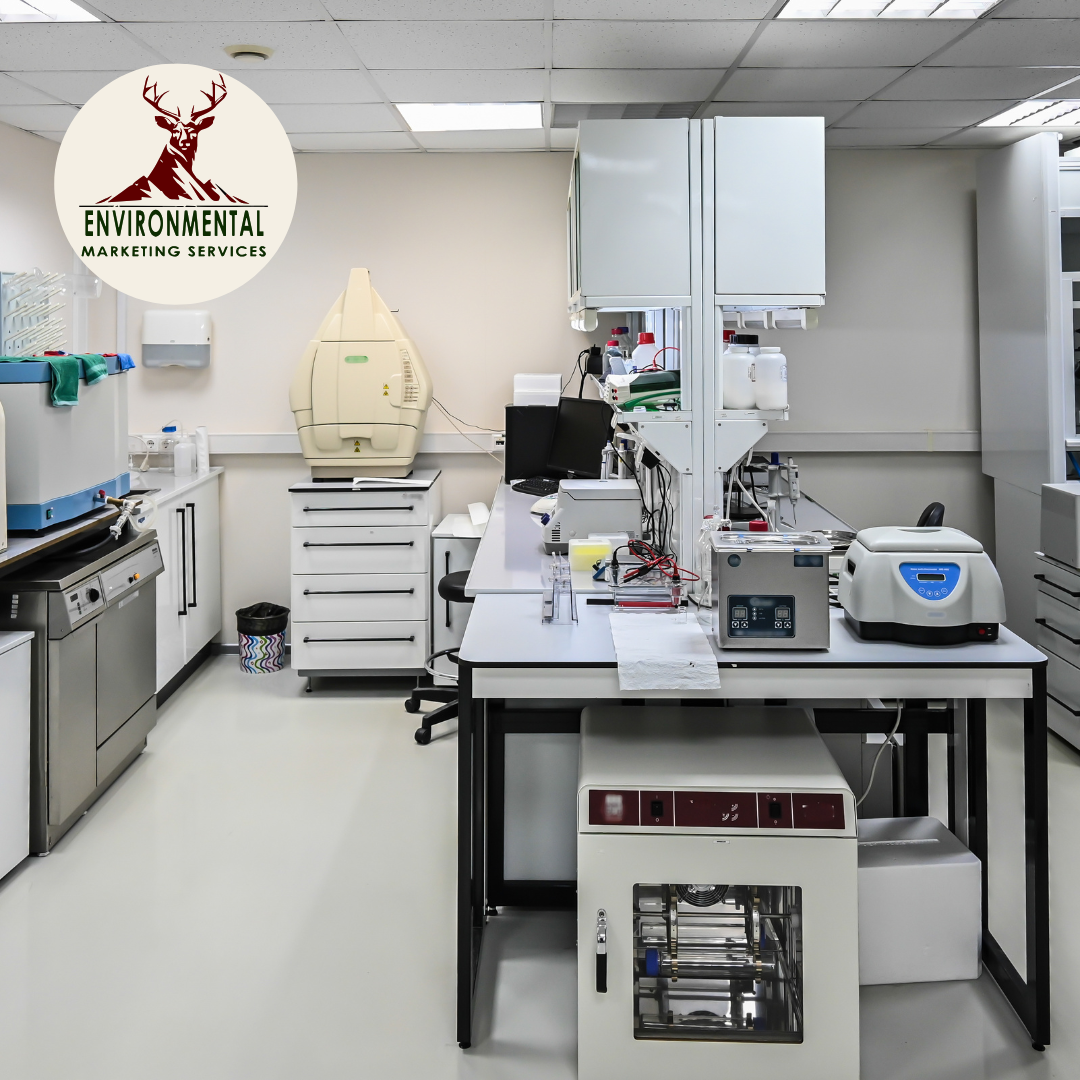
Lab chemical disposal keeps workspaces safer for everyone. Whether you’re working in a research lab, a commercial facility, or a production site, chemical waste can’t just sit around or get dumped in a regular trash bin. These materials often contain flammables, corrosives, or other substances that could become dangerous quickly if they’re left unmanaged.
Old or unused chemicals take up space, raise safety risks, and can even damage equipment and surfaces if they start to leak or react. That’s why a good plan for handling lab waste isn’t just a nice idea; it’s part of keeping daily operations running smoothly and staying responsible. What we’ve found works best is sticking to the basics, following safety guidelines, and letting trained professionals manage the tougher parts. When disposal is done the right way, it protects people, the building, and the environment.
Understanding What Counts as Lab Chemical Waste
It’s easy for chemicals to pile up in busy labs. Over time, bottles may go past their expiration date, labels can fade, or contents might change because of exposure to air or light. When you’re deciding what’s no longer safe to keep, knowing what counts as chemical waste is the first step.
- Hazardous lab waste includes things like flammable solvents, strong acids, peroxides, or heavy metals. These materials can cause fires, serious injuries, or environmental damage if not handled carefully.
- Non-hazardous waste might not react or burn but still needs proper disposal. This includes diluted solutions, buffer agents, or some used equipment.
- Universal waste often covers things like mercury-containing devices or certain batteries used in scientific equipment.
Any time a material starts to change color, smells off, or separates in layers when it shouldn’t, it’s smart to treat it as a possible waste item. Keeping track of expiration dates and checking labels regularly helps spot materials that need to be removed. Noting signs of aging chemicals, such as discoloration or unusual odors, can also prompt timely disposal and keep storage areas safer for staff.
Why Safe Disposal is So Important
Every chemical thrown in a regular trash can or poured down a sink creates a risk. A spill, fire, or unexpected reaction can happen in an instant, especially when different materials get mixed.
Leaving containers open or storing chemicals in the wrong conditions makes accidents more likely. In winter months, when labs tend to stay closed up for warmth, poor ventilation can make fumes build up even faster. That’s another reason we take extra precautions this time of year.
Some chemicals can travel through drains and end up in local water systems, harming plants, animals, or even groundwater supplies. Others may leak into shared air or work surfaces, making people sick without warning. A proper disposal process protects both the environment and the people working with or near these substances every day.
Proper training and reminders help prevent mistakes, such as mixing incompatible chemicals or disposing of them in unsafe ways. Regular reviews of disposal procedures and chemical inventories serve as proactive measures to limit risk. By being consistent about safe disposal protocols, labs can reduce long-term problems that may otherwise develop quietly over time.
How the Lab Disposal Process Works
A smart disposal plan is clear, repeatable, and put into motion before problems start. It begins with sorting. Keeping chemicals in well-marked, compatible groups helps identify what needs to go where.
- Use durable, leakproof containers that match the material being stored.
- Make sure labels are complete and easy to read. Include the full name of the chemical, hazard class, and date.
- Keep a full inventory of what’s ready to be picked up or transported.
Whenever possible, avoid overfilling containers and make sure they are closed tightly. Storing chemicals in the right type of container (such as glass for some acids and plastic for others) also limits the risk of leaks or unwanted reactions during the waiting period before pickup.
Once you have waste boxed and listed, trained professionals come in to pack, seal, and safely transport it. We rely on licensed handlers to know how to move and release waste the right way. Whether it’s by truck or through a treatment facility, each step follows strict laws to keep materials out of landfills and out of harm’s way.
They use secure vehicles and approved routes to minimize any chance of an incident during transport. All documentation provided helps track the journey of waste from lab to disposal facility, supporting both accountability and compliance with current laws.
Rules and Guidelines That Labs Must Follow
Chemical disposal isn’t just a preference. Across the U.S., it’s shaped by rules from agencies like the EPA and the Department of Transportation. These cover everything from how long chemical waste can stay on site to how it must be labeled and reported.
Labs also bump into different rules depending on what they work with. A school research center works with a different mix than an electronics lab, and the rules change accordingly. Some chemicals can only be stored for a limited time. Others must be neutralized or treated before they can be removed.
That’s why relying on experienced support matters. When waste leaves the lab, it still needs tracking through every stop until it reaches a final site. Professionals who provide hazardous waste services stay up to date with state and federal regulations so nothing is missed or mishandled.
Regular inspections might be required by local authorities, and detailed logs should always be kept available in case of audit. Even with lab turnover or new hires, maintaining updated training and written procedures makes these requirements easier to meet, helping all staff work within legal boundaries.
Tips to Make the Process Easier for Your Team
Keeping on top of lab chemical waste doesn’t have to feel like a huge task. A few small steps taken on a regular basis can help avoid big headaches later.
- Create a chemical inventory system and keep it updated weekly. Digital tracking tools help, but even a handwritten log is better than trying to remember what’s on the shelf.
- Store chemicals in a cool, dry area with clear airflow. Avoid placing them near sinks, vents, or electrical outlets.
- Make a schedule for waste pickups, even if you don’t think you have much. A regular plan keeps waste from piling up and helps staff know what to expect.
Taking the time to train employees, update protocols, and review storage setups saves time in the long run. Clear rules help prevent accidents and keep everyone on the same page. Sharing a checklist for preparing chemical waste or holding occasional refresher sessions encourages everyone to pay attention and remain responsible.
Including waste disposal information in employee onboarding is an efficient way to prioritize safety. Visual reminders, like signage near chemical storage and waste collection areas, can support ongoing compliance.
Get Peace of Mind with Expert Waste Solutions
Lab chemical disposal doesn’t have to be complicated. It just needs attention, planning, and the right steps in place. When you understand the materials on hand and commit to a safe, regular process, safety becomes an everyday standard, not a worry.
We specialize in hazardous and non-hazardous waste transportation and disposal in compliance with federal and state regulations, handling lab packs and chemical waste in more than 47 states. Each pickup uses approved containers and provides proper documentation throughout the process, so organizations never have to question if waste has been managed according to the law or with environmental responsibility in mind.
Managing hazardous materials calls for clear steps that fit federal requirements and the needs of your lab. We help with everything from planning and transport to safe disposal, keeping day-to-day operations safer while lowering long-term risks. To see how our hazardous waste services support lab safety from start to finish, we are here when you’re ready to talk.