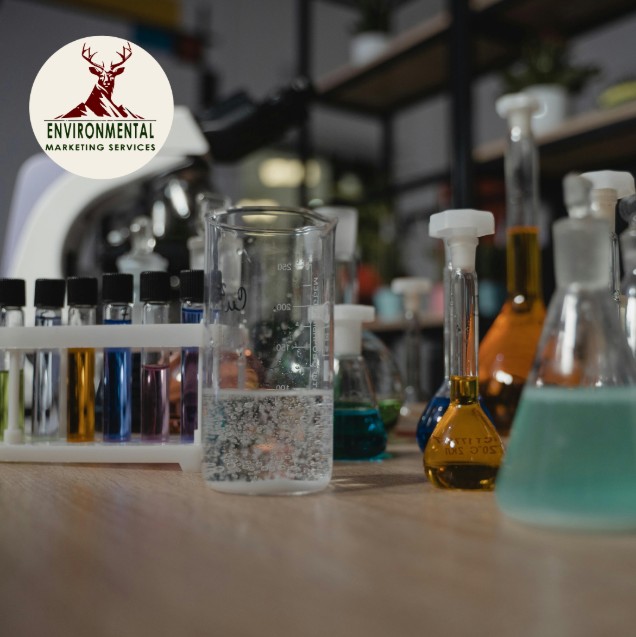
Lab pack waste can build up fast in places like schools, research centers, or chemical labs. These are the small containers of unused or leftover substances, things like cleaners, solvents, or chemicals stored in jars or bottles. When they are no longer needed, or if they are expired, we cannot just toss them in the trash. They need to be grouped together, handled carefully, and removed in a way that follows all safety and legal rules.
The process is called lab pack waste disposal, and it is one part of what falls under hazardous waste services. Doing this safely helps protect our workers and the environment. It also keeps us in line with the laws that apply to handling dangerous materials.
What Goes Into a Lab Pack
Lab packs are made up of small containers that hold leftover chemicals or substances. These include acids, bases, flammable products, expired reagents, and broken or leaking bottles from storage shelves or cabinets. Some are labeled and sealed, while others are fragile or damaged, which makes them harder to handle.
We package these containers together by placing them inside a bigger drum, usually with absorbent material to catch leaks or spills. That way, if anything cracks or opens during transport, it is already contained. But before we even pack it, we sort and label each item based on what it is. That step is just as important as the packing itself, since it helps determine what can go together safely.
Without accurate labels, items might be packed with incompatible materials. That raises the risk of chemical reactions during transport, which is something we always want to avoid.
We specialize in lab pack disposal for a wide range of generators, from private industry and municipal agencies to educational institutions, and can manage both hazardous and non-hazardous materials with full documentation.
Rules and Safety for Lab Pack Disposal
There are strict rules about how lab packs must be handled. These rules come from both state and federal agencies, and every lab or business that generates this kind of waste is expected to follow them.
We start by making sure our workers have the right personal protective equipment. That means safety gloves, goggles, and chemical-resistant clothing. Sometimes, breathing protection is needed too, depending on what is being packed.
Professional training is key. Lab pack disposal is not something that can be handled casually. Each container has to be checked carefully, and the person packing it needs to know which combinations are allowed and which are dangerous. Once packed, everything must be labeled again with the right codes before being prepared for transport.
We ensure documentation and record-keeping are maintained at every step, meeting compliance for both DOT and EPA regulations.
How the Disposal Process Works
We begin the process by checking our inventory and identifying what needs to be removed. Everything that qualifies as chemical or lab waste gets reviewed, sorted, and staged for proper handling.
From there, we place the small containers into larger drums along with packing materials to help cushion and absorb the contents if they leak. Once the drums are sealed, they are marked for pickup. The transport has to follow guidelines too, so the vehicles, routes, and schedules are all arranged to meet legal and safety demands.
When the waste reaches the disposal site, it goes through an evaluation stage. From there, it is treated or destroyed through methods like high-temperature incineration or chemical neutralization, always in a way that meets environmental safety standards.
Why Winter Can Be a Good Time to Review Your Waste Storage
In colder months, many labs slow down, especially in schools or seasonal operations. That makes winter an ideal time to stop and check your storage areas. With fewer daily tasks piling up, it is easier to review old stock and take care of items that no longer need to be kept.
Here are a few reasons why this timing works well for lab pack disposal:
- You can clear out shelf space before the busy spring semester or new project season begins.
- Labs may have expired chemicals leftover from past experiments that were never removed.
- Winter weather can cause delays or slowdowns in transportation, so early scheduling helps things stay on track.
Planning early in the season lets us avoid surprises when the busier months pick up again.
Getting the Right Support for Safe Waste Removal
Every lab works a little differently. A small research facility might have just a few items now and then, while a large school science building might have rows of labeled bottles and broken glassware. That is why it is important to have a disposal plan that fits the space and the workflow.
Working with trained support helps keep everyone safe. We are talking about people who are used to handling flammable or corrosive materials, who understand the packaging needs, and who can do the work safely. This also means staying on schedule and following every required rule from the time the waste is packed until it is fully removed.
Without support, mistakes are easy to make. Mixing two types of chemicals wrongly or using the wrong container for storage can lead to safety risks. Having the right hands on the job keeps those risks low and helps everything go as it should.
Smart Waste Planning Pays Off Long Term
Lab pack waste disposal is not just about cleaning off shelves or tossing out old bottles. It is part of a bigger system focused on staying safe, staying organized, and meeting the rules that apply to hazardous waste services.
When we make time to sort, package, and remove waste the right way, we are protecting not just our coworkers but also our building, community, and environment. Planning in winter gives us space to think ahead and a fresh start before spring gets busy again.
Ready for Safer Lab Waste Disposal?
Keeping chemical storage up to date helps your lab stay safe and compliant all year. We handle every step for businesses, including packing, labeling, transport, and proper treatment. With our hazardous waste services, you can be confident nothing is missed. At Environmental Marketing Services, we make it simpler to plan and safer to handle cleanup. Contact us to arrange a waste review or schedule a collection.