Handling lab waste is a critical task for laboratories across Delaware, ensuring that scientific procedures do not harm the surrounding environment or public health. As laboratories conduct experiments and research, a variety of waste types are produced, each requiring unique disposal methods.
Properly managing these materials protects lab personnel and the environment and ensures compliance with local and federal regulations. Understanding how to efficiently and safely dispose of lab waste is key to maintaining operational integrity and upholding safety standards within research facilities.
Lab waste disposal in Delaware is shaped by specific regional regulations and environmental priorities. Whether working in academic, industrial, or healthcare settings, every laboratory must be aware of the impact its waste has, taking steps to reduce risks and follow disposal guidelines. With a clear strategy in place, labs can support their core functions without disruption or safety concerns.
Understanding Lab Waste Types
Laboratories frequently generate several types of waste, each presenting different handling challenges. Identifying these waste categories is the first step in disposing of them correctly and safely.
– Chemical Waste: This includes unused or expired chemicals and reagents. Chemical waste may be toxic, flammable, or reactive. It must be stored in designated containers that are tightly sealed and clearly labeled. Special care should be taken to separate incompatible substances to avoid dangerous reactions.
– Biological Waste: Biological or biohazard waste includes tissue samples, cultures, and anything contaminated with potentially infectious agents. These materials require sterilization before disposal, often using methods like autoclaving. Discarding untreated biological waste can pose serious health threats.
– Sharps Waste: Items like needles, syringes, scalpels, and broken glass fall into this category. Sharps can cut skin or spread infection. Labs should use puncture-resistant containers that are clearly marked. These containers help protect both lab personnel and waste handlers from injury.
– General Waste: This includes materials like paper towels, packaging, and empty containers that are not contaminated by hazardous substances. Though general waste is not dangerous, it must still be separated from hazardous and regulated wastes to avoid confusion and maintain a clean lab environment.
Understanding these categories promotes better safety and helps meet disposal regulations that apply to different waste types.
Regulations and Compliance in Delaware
Adhering to proper waste disposal laws is necessary for maintaining safe lab operations. In Delaware, laboratories must follow both state guidelines and national regulations laid out by federal agencies.
– Local and Federal Laws: Laboratories must comply with rules from agencies such as the Environmental Protection Agency (EPA) and those enforced by the state of Delaware. This includes regulations about how waste should be stored, labeled, treated, and transported. Understanding both sets of rules can prevent violations and ensure safety throughout all stages of waste handling.
– Proper Labeling and Documentation: Each type of lab waste must be stored in containers that are clearly marked with appropriate hazard information. Records also need to be kept detailing the type, volume, and disposal measures of all wastes generated. These logs help laboratory managers monitor compliance and support audits or inspections.
– Environmental Safety Standards: Laboratories share responsibility for protecting natural resources and public health. Following environmental safety standards prevents harmful substances from leaking into water systems, soil, or air. Labs must put processes in place that prevent spills, contain waste effectively, and monitor their environmental practices regularly.
Compliance is not just a legal requirement. It also supports a safer and more efficient lab operation.
Best Practices for Safe Disposal
Safety in the lab begins with proper waste management practices. Applying systematic procedures helps labs handle hazardous waste types responsibly.
– Separation and Storage Methods: Sorting waste by type plays a key role in preventing accidents. Each category of waste should be stored in a designated area using clearly marked and appropriate containers. For instance, chemical waste must be kept away from biological materials to avoid cross-contamination. Color-coded bins and warning labels improve clarity and prevent mistakes.
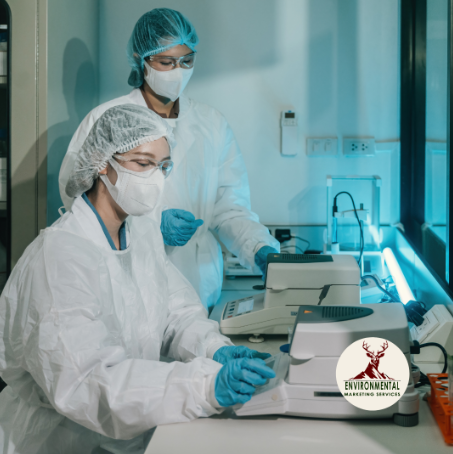
– Safe Handling Procedures: Every staff member should wear proper protective gear like gloves, goggles, and lab coats when dealing with waste. Staff must never attempt to dispose of unknown materials without assistance. Training should also cover emergency responses, such as what to do in the event of a chemical spill or biological exposure.
– Importance of Proper Training for Lab Personnel: Waste safety depends heavily on how well the staff understands procedures. Training programs should be ongoing and updated regularly. Lessons must focus on identifying different kinds of lab waste, how each should be handled, and what personal protection and tools are needed. Staff should also learn how to read labels and follow documentation procedures correctly.
By sticking to tested procedures and making sure all personnel are informed and prepared, labs can maintain a high level of safety and control.
How Environmental Marketing Services Can Assist
Environmental Marketing Services supports Delaware laboratories by offering professional waste management assistance. Our tailored services help labs handle complex disposal requirements while staying compliant with local and federal regulations.
We manage a variety of waste types, including chemical, biological, and sharps waste, using approved strategies and containment methods. Our team is trained to identify the safest and most efficient disposal routes for each material. This focus helps laboratories reduce risk while keeping their operations running smoothly.
Partnering with Environmental Marketing Services means gaining access to specialized resources and experienced support. Whether your lab needs help setting up a waste separation system or managing documentation, our experts are ready to provide clear guidance. With our help, labs can maintain safety, reduce potential hazards, and remain compliant without overextending internal resources.
To discuss how we can support your waste management efforts, please contact our team for a consultation. We are equipped to help laboratories of all sizes develop efficient disposal plans that align with current guidelines.
Creating a Culture of Safety and Responsibility
Taking lab waste seriously is part of building a reliable and responsible laboratory. With the right combination of good practices, legal awareness, and professional help, labs can avoid accidents, stay compliant, and protect their surrounding environment.
By understanding the types of lab waste generated and how to dispose of each safely, lab staff gain peace of mind in their daily responsibilities. Safety protocols like PPE usage, labeling, and correct storage should remain top priorities in all lab environments.
For laboratories working to strengthen their safety procedures and meet environmental regulations, effective waste handling is a key part of the process. Environmental Marketing Services brings specialized knowledge in the management of reactive chemicals, helping labs reduce risks associated with hazardous materials. Our team is committed to supporting safe, compliant, and streamlined operations that allow your lab to focus on its core research without compromising safety.