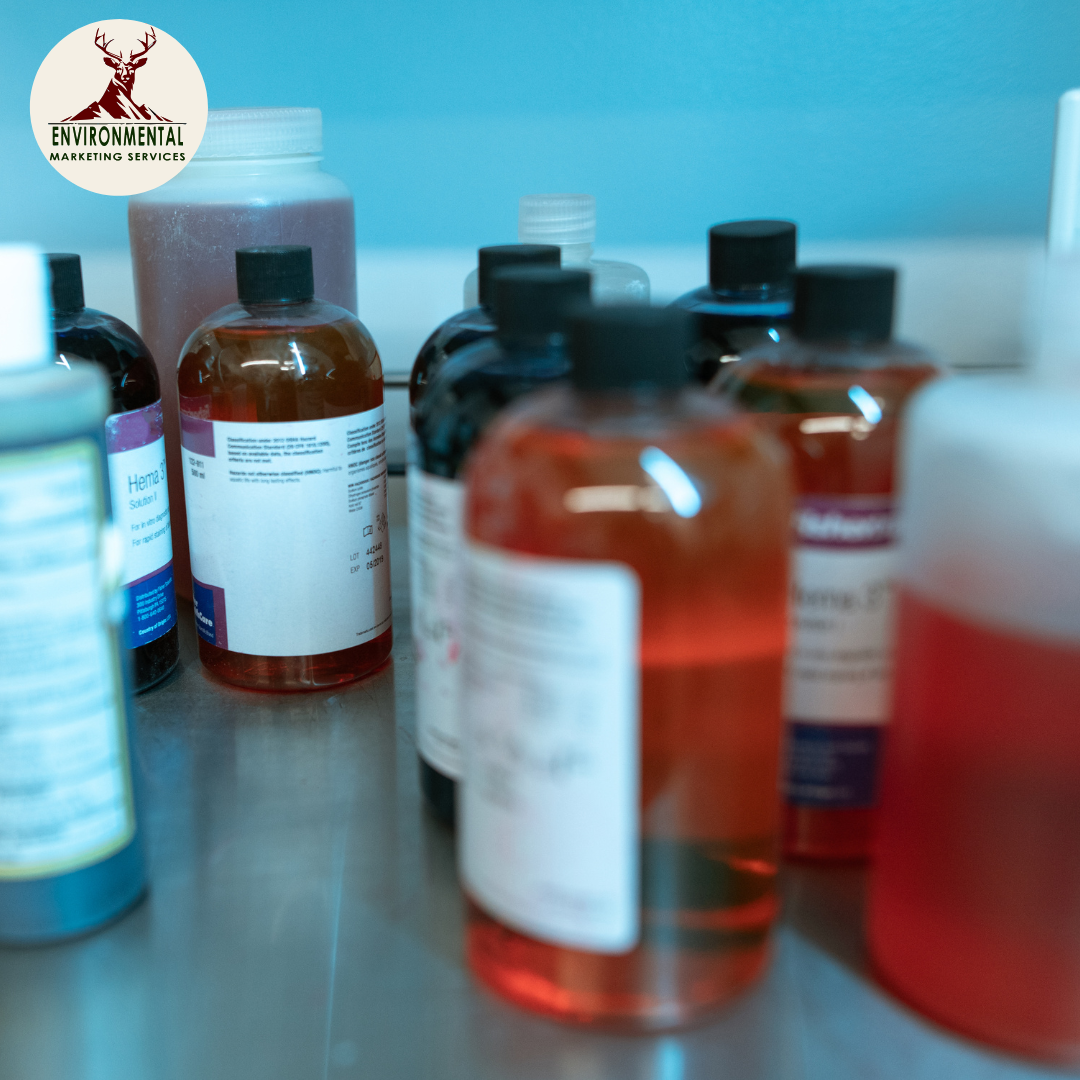
Handling chemical waste in laboratories is a responsibility that requires careful planning and attention. Without proper disposal methods, these substances can harm both people and the environment. Proper lab chemical disposal not only maintains safety but also supports the health of those who work in the lab and the ecosystem around it. Engaging with this topic allows businesses and educational institutions to operate responsibly while adhering to safety standards.
In labs, chemicals are essential for experimentation and discovery, but they often lead to leftover or used materials that need correct disposal. Understanding and implementing the right practices ensures that your lab remains a safe place for research. Knowing the different types of hazardous and non-hazardous waste can prevent unintended mishaps and keep daily operations running smoothly.
Identifying Types of Laboratory Chemical Waste
Understanding the types of chemical waste is a fundamental aspect of lab management. Various categories of waste require distinct handling processes. By identifying these waste types, your team can apply the correct disposal methods and stay aligned with regulatory standards.
– Common Categories of Chemical Waste:
1. Solvents – Used widely in experiments and cleaning, they can be hazardous if not disposed of correctly.
2. Reagents – Often unused or expired chemicals that may react unpredictably if mixed with other waste.
3. Heavy Metals – Found in many compounds, they are highly toxic and require specific disposal methods.
Recognizing these common categories lays the foundation for disposal planning and safety protocols. Keeping an updated inventory of all chemicals present in your lab will help you manage disposal methods effectively and prepare the appropriate storage solutions ahead of time.
Chemical waste falls into two main classifications: hazardous and non-hazardous. Distinguishing between them is necessary, as each calls for different procedures. Hazardous waste includes volatile, corrosive, flammable, or toxic substances that could harm human health or the ecosystem. Non-hazardous waste, while less of a threat, can still pose practical challenges if not managed correctly.
For example, chemicals like lead-based solutions or mercury compounds require custom handling procedures and may involve third-party disposal services. Recognizing and correctly classifying them maintains the safety and compliance of your lab operations.
Steps for Safe Lab Chemical Disposal
Safeguarding your laboratory environment starts with segregating and labeling the waste correctly. Different types of waste should be stored separately. Grouping acids, bases, solvents, and other types into designated sections reduces the chance of unwanted chemical reactions. Each container should be marked clearly with identification labels that include the chemical’s name, associated hazards, and the date of storage.
Storage conditions are just as important as segregation. Store chemical waste in leak-proof containers that are resistant to corrosion or degradation. The storage area should be cool, dry, and away from heavily trafficked areas. Ventilation is a key factor in reducing potential toxic build-up. Some substances may also require limited light exposure or specific temperature conditions.
Disposal methods should match the nature of the waste. Recyclable solvents can be cleaned and used in future applications. Acids and bases sometimes qualify for neutralization, converting them into less harmful or inert forms. Waste that cannot be safely treated onsite should be sent to certified chemical disposal facilities that specialize in transporting and processing these hazardous materials. By taking this route, you reduce the chance of contamination and stay in compliance with oversight agencies.
Regulatory Compliance and Best Practices
Meeting regulatory requirements is a non-negotiable part of laboratory management. Both federal and local regulations are designed to protect personnel, the community, and the environment. Regulations also specify how certain materials should be labeled, handled, stored, and disposed of. Aligning your processes with regulations such as those from the Environmental Protection Agency or the Department of Transportation helps avoid penalties or delays in operations.
Documentation should account for waste generated, storage practices, and specific disposal actions. Retaining these records helps during inspections or audits and assures regulatory officials that procedures are being followed appropriately. It also provides internal accountability among staff and leadership.
Training should be conducted regularly to maintain awareness and skill across your team. New and existing staff need to understand not just how to follow lab protocols, but why each step is needed. Refresher sessions help employees stay up to date with current regulations, changes in product usage, and new disposal technologies.
Ensuring a Safe Laboratory Environment
To maintain a lab that operates smoothly and safely, regular audits and inspections are a must. Scheduled walkthroughs help detect improper labeling, expired materials, or structural issues in storage areas. When findings are documented and acted upon, labs can continually build on their safety culture and prevent problems before they arise.
Drills and emergency plans are another important layer of safety. Whether the incidents involve chemical exposure, spills, or unexpected reactions, the right response plan can reduce damage and cut down recovery time. Your team should know exactly where response kits are stored and how to use each item. Having quick access to first aid supplies, spill response tools, and emergency contact information keeps everyone better prepared.
Periodic reviews of your plans ensure they stay useful. Changes in personnel, equipment, or lab layout might all call for updates to your protocols. By revisiting your emergency plans on a regular timeline and testing them through drills, you bolster your lab’s overall readiness.
Safe and Efficient Chemical Disposal: Your Next Steps
Proper lab chemical disposal is more than completing a task. It’s about creating a process that safeguards your people, meets regulatory expectations, and keeps operations on track. Distinguishing waste types, following structured disposal methods, and maintaining strong documentation all contribute to overall success.
The more consistent your procedures, the easier it becomes to train new team members, pass inspections, and respond quickly to change. With the right approach, lab waste disposal turns from a source of risk into a managed routine that supports your scientific goals.
When managing laboratory chemicals, ensuring safety and compliance is paramount. For comprehensive support in managing lab wastes, consider exploring our hazardous waste services. Environmental Marketing Services is here to assist with professional guidance tailored to maintaining a secure and efficient lab environment.