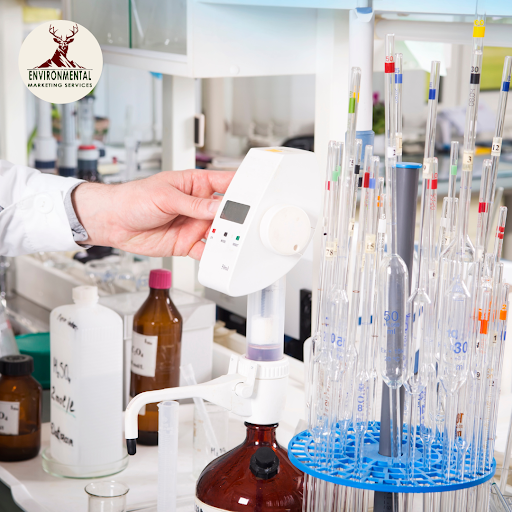
Proper chemical waste disposal in laboratories is a task that requires care and responsibility. Laboratories handle a wide variety of chemicals, many of which can be hazardous if not managed correctly. These materials can pose serious risks to both the environment and human health when mishandled or improperly discarded. Safe disposal practices help maintain a secure workplace and support broader efforts to protect our environment.
Poor disposal of chemical waste can lead to contamination of soil, water, and air. These consequences can damage local ecosystems, harm wildlife, and affect nearby communities. Some chemicals can also pose direct health risks to lab workers if not contained or neutralized correctly. Recognizing the risks tied to hazardous waste management encourages laboratory staff to follow proper procedures and helps create a safe and environmentally responsible workspace.
Types of Chemical Waste in Laboratories
Labs produce various kinds of chemical waste, and understanding what types exist is an important step in developing proper disposal plans. Generally, chemical waste falls into two categories: hazardous and non-hazardous.
1. Hazardous Chemical Waste:
– These are substances that exhibit toxic, flammable, corrosive, or reactive properties. They may cause harm when inhaled, ingested, touched, or improperly stored.
– Common examples include hydrochloric acid, acetone, formaldehyde, and mercury. These substances require special handling and must be labeled clearly to prevent accidental contact or mixing with other chemicals.
2. Non-Hazardous Chemical Waste:
– This waste does not pose an immediate risk to people or the environment. While still requiring care, these substances are less dangerous when stored or handled correctly.
– Examples include diluted buffer solutions and cleaning agents that do not contain toxic substances. While less harmful, they should still be disposed of through an approved method to remain compliant with environmental guidelines.
Identifying and separating these two types of waste is a priority. Confusing hazardous with non-hazardous waste can put people at risk and violate safety regulations. Proper classification makes it easier to implement suitable storage and disposal processes.
Guidelines for Safe Chemical Waste Disposal
A methodical approach to chemical waste disposal helps prevent accidents and legal issues. Laboratories should follow specific steps to manage their waste effectively.
– Effective Labeling and Segregation:
– Every waste container must be marked with the content’s name, chemical hazards, and the date it was added. This helps emergency responders, lab personnel, and waste handlers avoid confusion.
– Separate incompatible chemical categories. For example, flammable liquids should never be stored alongside oxidizers. Proper segregation reduces the chance of accidental reactions that could lead to fire, leaks, or toxic exposure.
– Role of Material Safety Data Sheets (MSDS):
– MSDS provide structured information on each chemical’s properties, including safe handling, storage, and disposal methods.
– Every lab employee must have easy access to these documents. Regular training should be conducted to ensure staff can interpret and follow the guidance from MSDS as part of daily routines.
Following these practices not only protects staff and property but also supports regulatory compliance. Improved safety procedures foster a work culture that values attentiveness and cooperation, key elements in modern laboratory environments.
Environmental and Regulatory Considerations
The environmental consequences of improper chemical waste disposal are serious. Toxic chemicals that find their way into drains, soil, or the air can affect drinking water, damage plant and animal life, and linger in the environment long after being released. Irresponsible practices such as pouring chemicals down the sink or dumping containers in general trash bins introduce risks that can grow over time and affect communities beyond the facility.
Beyond environmental harm, laboratories must also meet legal requirements for waste disposal. Regulators at federal, state, and local levels impose rules about how hazardous waste is identified, stored, and discarded. These include document retention, proper labeling, and the use of licensed waste carriers. Failing to comply with these rules is not only harmful but costly. Fines can be significant, and repeated offenses can lead to lab shutdowns, damage to a company’s reputation, or even lawsuits.
Keeping up with these regulations helps labs avoid problems while contributing to public health and environmental safety. Equip your staff with regular updates and compliance training to make sure processes stay aligned with current laws.
Choosing a Professional Waste Management Service
Handling chemical waste on your own places a heavy burden on internal resources and may increase the likelihood of errors or compliance gaps. Professional waste management services take this responsibility off the lab’s shoulders while ensuring proper handling of all types of waste.
Hiring a professional provider brings three clear benefits:
1. Expertise: They are trained in current regulations and have the equipment and know-how to transport and process hazardous waste safely.
2. Reduced Risk: Professionals manage documentation and disposal logistics, reducing the chance of mishandling or regulatory violations.
3. Efficiency: Labs can focus on their work while trained partners handle collection, classification, storage, and disposal.
When selecting a provider, ask for proof of licensing and check if they follow Environmental Protection Agency (EPA) and other governing body standards. Look into their past experience with labs like yours, and consider references or testimonials from others in your industry. A trustworthy partner should offer clear communication, safety documentation, and tailored services that meet the unique needs of your lab.
Keeping Your Laboratory Safe and Waste-Compliant
Developing safe chemical waste management habits helps protect people and the environment. From understanding waste types to labeling and storing chemicals properly, each step strengthens lab safety and supports compliance. Regulations change over time, and labs must stay alert and informed to maintain safe procedures and avoid legal or environmental issues.
Working with a dependable waste service provider can bring structure to your disposal efforts and relieve pressure on internal teams. Licensed experts make it easier to stay compliant and reduce risks within your facility. Whether you are setting up a new disposal program or upgrading current systems, finding a knowledgeable waste management partner can simplify your process.
Taking these steps ensures that your laboratory fosters a clean, safe, and legally sound environment for your staff and the broader community.
Ready to improve your waste handling practices? Let Environmental Marketing Services support your facility with expert-level services for hazardous waste. We’ll help you stay compliant, reduce risks, and protect your lab environment with customized solutions. Contact us today to get started.