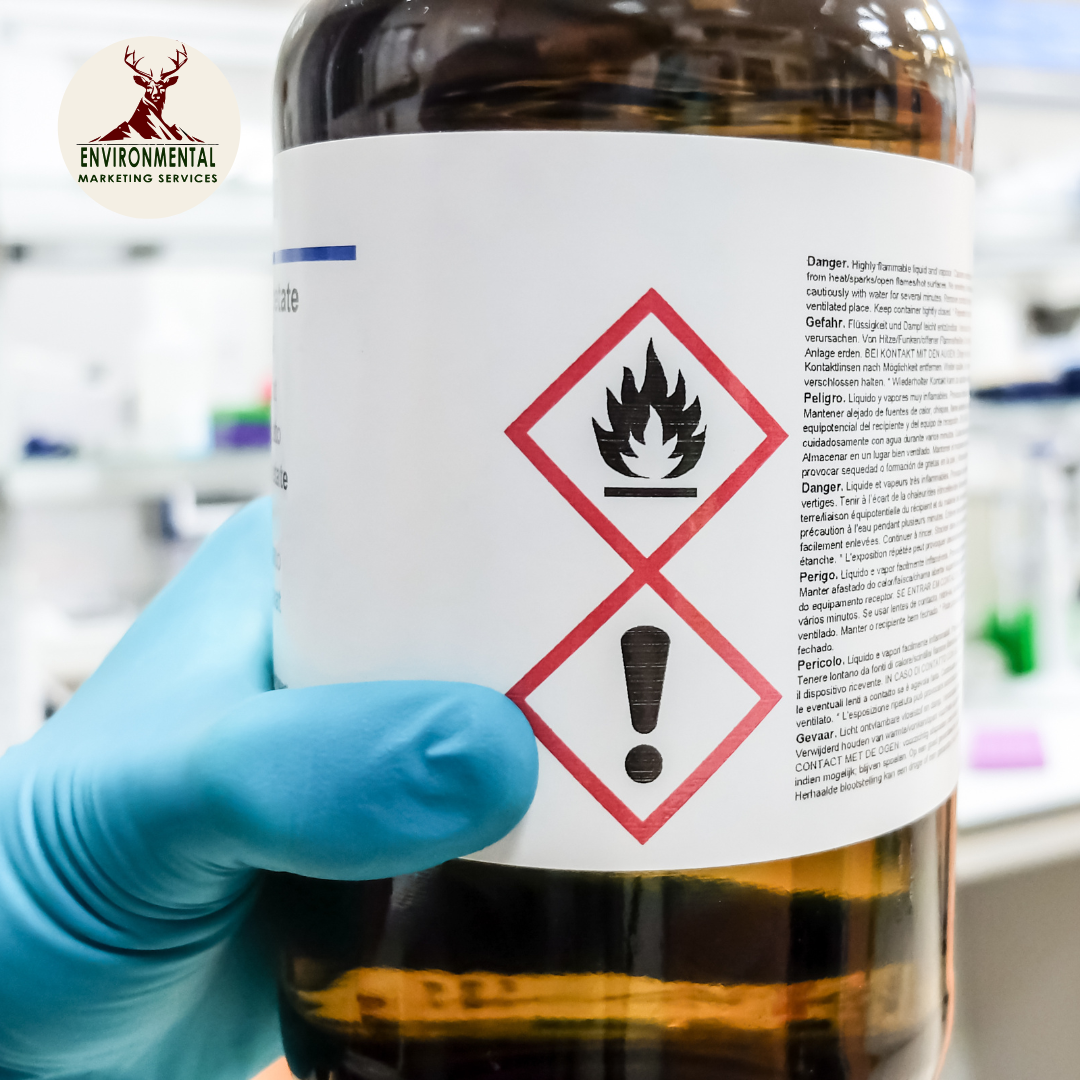
Chemistry labs generate waste that needs careful handling. In commercial facilities and academic buildings, leftover chemicals, used glassware, and broken containers are part of a regular workday. All of it can become dangerous if it’s not handled the right way. That’s where safe chemistry lab waste disposal matters.
Flammable solvents, acids, and sharp objects may seem like small things on their own, but they all need different methods of storage and removal. Whether you’re running regular experiments or cleaning out old supplies before a school break, it’s important to have a clear plan for what to do with those materials. That includes knowing when to call in help from hazardous waste services to manage it safely.
Understanding the Types of Chemistry Lab Waste
Chemistry labs often have a variety of materials, and not all of it is treated the same. If we don’t know what something is or where it goes, there’s a chance of making matters worse instead of better. Here’s a simple breakdown of the main commercial lab waste categories:
• Hazardous waste includes flammable liquids, explosive compounds, corrosive acids or bases, and toxic chemicals like mercury or lead. These need special containers and should always be separated from other waste types.
• Non-hazardous waste can include broken glassware, used gloves, or paper products. These don’t contain unsafe substances, but still may need labeling or inspection before disposal.
• Universal waste covers items like batteries, fluorescent bulbs, or outdated electronics used in lab monitoring. These are not always dangerous, but they still have handling rules and recycling steps.
Learning how to sort these into the right categories helps protect people and keeps workspaces clean and organized. Proper sorting also makes things easier when disposal pickups happen.
How to Handle Hazardous Waste in a Lab Safely
Not every container works for every chemical. Using the wrong container can lead to leaks, reactions, or fumes that harm people or damage equipment. That’s why we always use containers built for specific materials and make sure they’re in good shape before use.
Labeling also plays a big role. Each container needs a clear, readable label that tells you what’s inside. This helps everyone in the lab recognize the contents at a glance, and it helps outside vendors know what they’re moving.
We also separate waste types to avoid unexpected reactions. Flammable liquids never go near oxidizers. Acids and bases should never be in the same bucket. Even small spills or fumes can turn into serious problems if materials are stacked or stored too closely. Good shelving, clear walkways, and a little extra space go a long way toward keeping everything safe.
Rules and Guidelines You Need to Follow
Lab waste disposal isn’t just about convenience. It’s backed by rules set at both the government and facility level. At the federal level, the Environmental Protection Agency (EPA) and Department of Transportation (DOT) provide most of the direction for disposing lab waste, especially when it moves from one location to another. That means keeping track of what’s moving, how much of it there is, and where it’s going.
These rules can shift depending on where the waste comes from and what type it is. A university-level chemistry lab might face different state rules than a private biotech firm. But no matter where waste is generated, recordkeeping matters. So does training. Staff need to know what they’re handling and how to respond if something goes wrong.
Most of these guidelines are already in place at commercial facilities, but it’s easy to miss a step. That’s another reason many labs rely on professional hazardous waste services to make sure everything is documented and legally sound.
The Role of Professional Waste Disposal Services
It’s tempting to handle everything in-house to keep things moving. But in most labs, managing waste is more complex than just throwing it away at the end of the day. From identifying unknown materials to safely storing acids near winter windows, every detail matters.
Workloads change across semesters or project cycles. That means quantities go up and down, and storage could start to get tight. When waste isn’t removed on time, it crowds workspaces and raises the chance of spills or accidents.
Getting help from professionals makes the whole process less stressful. They bring the right tools, containers, and transport options. They also make sure that documents like hazardous waste manifests are handled correctly. That paperwork can be hard to track if you don’t manage it on a regular basis.
Environmental Marketing Services provides lab packing services designed for safe chemical segregation, labeling, and containerization, following the latest EPA and DOT regulations. Collection is available for both large and small quantities, and the company provides on-site support for complex lab cleanouts or inventory reductions.
Most of all, having expert support means fewer questions and fewer mistakes. Trained providers know which materials can ship together or which ones need special placement during cold months when freezing temperatures could affect containers.
Safe Chemistry Lab Waste Disposal: Protect People, Spaces, and the Environment
Safe chemistry lab waste disposal is about keeping people safe, protecting the workspace, and maintaining environmental responsibility. Disposing of leftover chemicals, broken beakers, or outdated reagents the right way impacts much more than just your own facility.
With clear steps, well-practiced safety rules, and professional help when needed, labs keep operations smooth and maintain compliance all year long. Environmental Marketing Services serves clients in 47 states, offering compliant waste transportation and disposal for laboratories across a wide range of industries. Whether your lab needs regular pickups or a one-time cleanout, support is tailored to your size and needs.
At Environmental Marketing Services, we help labs manage chemical waste safely and with less hassle. Labs that handle corrosive liquids, outdated science supplies, or universal waste like bulbs and batteries need to stay compliant at every stage. Our approach supports everything from sorting to shipping so nothing gets overlooked. You can read more about how we handle different types of waste by checking out our hazardous waste services. If you’re planning a pickup or have questions about your disposal process, contact us today.