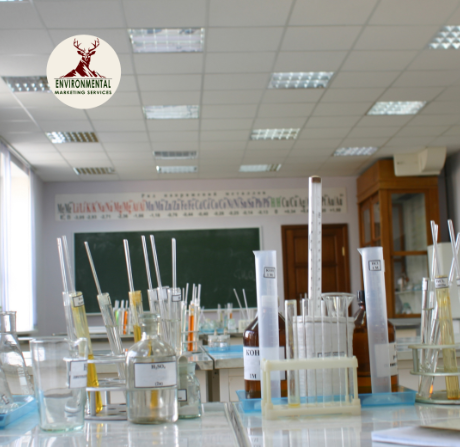
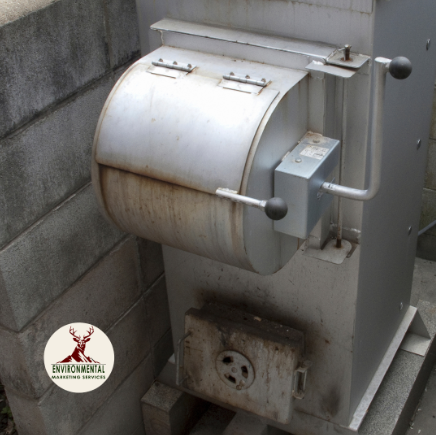
Proper disposal of laboratory waste is crucial for maintaining a safe and healthy environment. Laboratories generate various types of waste, including chemical residues, biological samples, and sharp objects. Improper handling or disposal of these materials can lead to environmental contamination and create safety hazards within the workplace. Responsible laboratory waste management not only reduces risk to people and the environment but also helps ensure compliance with local, state, and federal regulations.
Environmental Marketing Services supports labs across the country by providing expert waste management assistance. With experienced professionals focusing on compliance, safety, and environmental stewardship, labs can place greater emphasis on their primary functions, such as research, testing, and development, while confidently managing their waste streams.
Understanding Different Types of Laboratory Waste
Laboratories generate a wide range of waste types, each requiring specific disposal methods. To minimize risks and maintain compliance, it’s important to first understand and classify the types of waste your lab generates.
1. Chemical Waste: Includes substances such as solvents, acids, bases, reagents, and other chemicals used in lab work. Some may be hazardous and reactive, requiring proper segregation and clearly labeled chemical containers for safe disposal.
2. Biological Waste: Often comes from samples of blood, tissues, or microbial cultures. These materials may carry infectious agents and must be handled with extreme care under biosafety protocols.
3. Sharps: Includes needles, syringes, pipette tips, and broken glass. Even when not contaminated, sharps pose a risk of cuts or puncture and should always be placed in puncture-resistant, clearly labeled disposal containers.
4. Mixed Waste: A combination of hazardous chemical and biological elements or even radioactive components. Mixed waste poses complex disposal challenges and often requires customized containers and coordination with specialized disposal services.
Correct classification and segregation form the foundation of laboratory waste protocols. Mixing incompatible wastes can cause dangerous reactions or complicate disposal. Proper separation ensures safe storage, handling, and final treatment, while boosting the efficiency of disposal and cleanliness in the facility.
With consistent identification and segregation, labs can maintain safer spaces for personnel while reducing their environmental footprint. Whether the lab handles small research samples or large-scale production, developing a detailed waste classification system is beneficial for long-term operational success.
Best Practices for Safe Lab Waste Disposal
Once waste types are identified, labs must follow functional steps to manage disposal correctly. These steps promote safety and environmental protection while helping maintain regulatory compliance.
1. Segregation: Use designated containers for each type of lab waste. Store chemical wastes in leak-proof chemical bins, biological materials in biohazard containers, and sharps in rigid puncture-proof boxes. Never store incompatible materials together.
2. Labeling: Every waste container should include a label detailing its contents, associated hazards, and the date it was first used. Clear labeling prevents accidents and ensures proper disposal by trained personnel or service providers.
3. Storage: Secure all waste containers in well-ventilated areas away from active workstations. Keep storage units locked or in supervised areas. Avoid stacking or overfilling bins, and perform routine inspections to check for leaks, damage, or labeling errors.
4. Documentation: Maintain accurate records of all waste generated. This includes types, quantities, and disposal dates. Documentation can support compliance audits and helps track progress toward waste reduction goals.
Establishing these procedures supports a culture of care within the lab. When staff members are trained on best practices, the entire facility benefits from reduced risks and heightened awareness.
Regulatory Compliance and Environmental Impact
Laboratories must comply with numerous regulations that outline how waste is handled through its entire life cycle—from generation to final disposal. These rules are often governed by agencies like the Environmental Protection Agency (EPA), Occupational Safety and Health Administration (OSHA), and corresponding state environmental departments.
Understanding and following these regulations is necessary to avoid citations, penalties, or legal action. Waste generators are legally responsible for the materials even after off-site disposal, meaning labs must partner with approved, compliant disposal vendors.
Aside from meeting legal obligations, proper disposal also shows responsibility toward the environment. Carelessness in waste disposal can result in long-term soil and water contamination or haphazard landfill contributions. Compliant waste management protects ecosystems—preserving air, water, and community health now and into the future.
By fostering a compliance-focused culture, labs also show their commitment to sustainability. Setting this example for staff and peers reinforces practical values that stretch beyond the lab’s walls.
Choosing the Right Waste Disposal Partner
Selecting an appropriate disposal partner can make a significant difference in how your laboratory handles waste. Since disposal is often outsourced, the reliability of third-party support plays a big role in safety and compliance outcomes.
Keep the following in mind when evaluating a service provider:
– Reputation and Reviews: Seek partners with long-standing experience and strong references. Look for testimonials or certifications that verify professionalism and service quality.
– Regulatory Compliance: Confirm that the provider complies with federal, state, and local regulations. Check for licensing, documentation, and training procedures for their personnel.
– Comprehensive Services: Excellent providers offer full-service options including collection, transport, treatment, and certified disposal. Some may assist with waste audits or staff training programs.
An experienced waste disposal partner can support labs through every step of the process. Their expertise frees up time and energy, allowing laboratory staff to stay focused on their research and day-to-day laboratory functions.
Environmental Marketing Services brings depth of experience to the waste management process. From reliable scheduling to knowledge of regulations, partnering with a dependable team takes the burden off labs and provides peace of mind.
Building a Sustainable Lab Environment
Managing lab waste responsibly involves more than sorting and disposal. Labs should also focus on reducing the amount of waste they produce in the first place.
Here are a few strategies:
– Limit single-use plastics and opt for reusable containers and tools when possible.
– Evaluate procurement procedures to avoid over-ordering perishable or hazardous materials.
– Use digital records instead of paper to reduce office waste around the lab.
– Repair or repurpose equipment to extend product lifecycle.
– Choose suppliers with environmentally conscious practices and packaging.
Education is key in promoting sustainability. Offer ongoing workshops or brief training sessions to keep staff updated on changes in regulations and newer waste-saving techniques.
Creating a culture where sustainability is prioritized fosters innovation and responsibility across all departments. Not only does this improve the lab’s environmental footprint, but it also demonstrates shared values with employees, clients, and the scientific community.
Stepping Toward a Cleaner Future
Promoting safety, compliance, and sustainable practices starts with recognizing the importance of responsible lab waste disposal. Understanding the different types of waste, separating them correctly, and following safety protocols lays a reliable foundation for a safer working environment. From carefully choosing a trusted disposal partner to educating staff on ongoing best practices, labs can maintain high standards that support health and productivity.
With the right planning and support, laboratories can operate efficiently while taking active steps to protect both people and the planet. Through intentional improvements and strategic partnerships, every lab has the opportunity to build a cleaner and safer future.
To ensure your laboratory waste is handled safely and meets regulatory standards, explore how our services for hazardous waste can support your facility’s compliance and efficiency goals. At Environmental Marketing Services, we are committed to helping you maintain a clean, organized, and environmentally responsible lab operation.