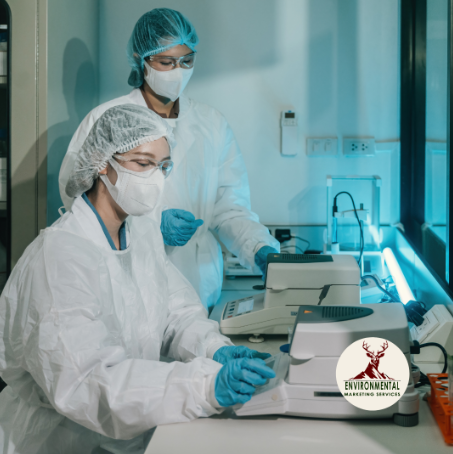
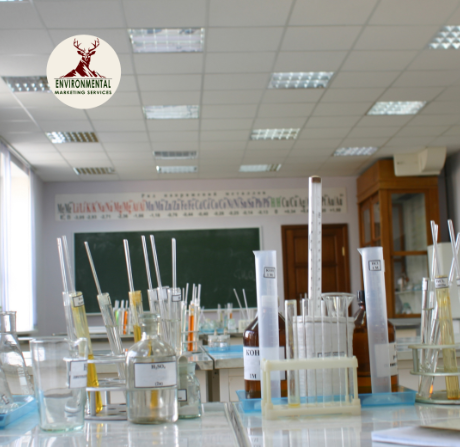
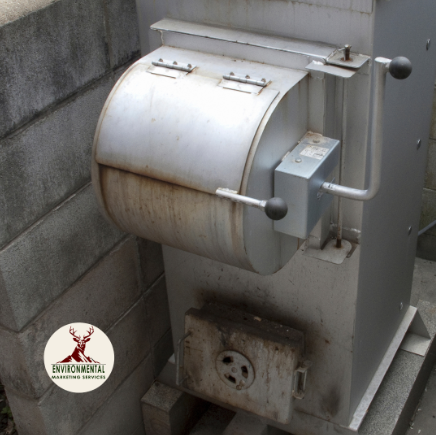
Laboratories play a critical role in scientific research, medical advancements, and product development across many sectors. Alongside these vital activities comes the unavoidable generation of various waste types. From chemicals and biological samples to glassware and everyday disposables, each carries potential risks if not handled the right way. Proper laboratory waste disposal is not just about maintaining cleanliness, it’s also about protecting staff, the environment, and the larger community.
Recognizing the types of waste a lab produces is important. Different waste streams require specific handling and disposal methods to prevent contamination or danger. Some are considered hazardous due to chemical, biological, or even radioactive properties, while others may seem harmless but still need careful sorting. Knowing the difference and following the right protocols reduces risk and supports regulatory compliance.
Types of Laboratory Waste
Understanding what goes into each category of laboratory waste is the first step toward safe and effective management. Careless disposal can affect everything from lab safety to environmental health.
1. Hazardous Waste
This type includes materials that can harm people or the environment. Examples include toxic chemicals, flammable substances, and corrosive agents. These materials must be stored in appropriate containers, clearly labeled, and kept separate from other waste streams. Professionals typically follow strict transportation and disposal guidelines to avoid exposure or reactions.
2. Non-Hazardous Waste
Often overlooked, this covers items like used gloves, empty non-contaminated containers, and paper materials. Though not dangerous, proper disposal and sorting are still important. Many labs implement clear labeling and dedicated bins to prevent any chance of cross-contamination with hazardous materials.
3. Chemical Waste
Laboratories frequently use chemicals ranging from solvents to acids. When no longer needed or safe to use, these must be neutralized or securely sealed in chemical-resistant containers. Disposal should always follow government regulations, often involving off-site treatment by a licensed company.
4. Biological Waste
Biological materials can include human tissue, blood, bacterial cultures, or other organic agents. These require containment using leak-proof bags or sharps containers depending on the type of waste. Autoclaving is a common method used prior to disposal, ensuring pathogens are destroyed before leaving the facility.
5. Radioactive Waste
Found mainly in medical or nuclear research labs, radioactive materials demand the highest level of care. Waste must be measured for radiation levels, stored in shielded containers, and handled only by trained personnel. Disposal requires planning and must adhere strictly to national radiation safety laws.
Each type of waste, whether perceived as dangerous or not, holds the potential for harm if overlooked. By segmenting waste and handling them according to safety standards, laboratories can prevent accidents and limit environmental damage.
Importance of Professional Handling
Managing laboratory waste isn’t something to leave to chance. Professionals bring more than just tools and vehicles, they bring knowledge that protects both people and places. Skilled teams know the right ways to dispose of chemicals, isolate infectious waste, and address radioactive materials without creating added risks.
Staff and researchers benefit from safer working conditions when professionals handle waste removal. Accidental exposure or improper storage can bring serious health consequences. When trained teams manage the process, labs reduce incidents and promote peace of mind.
Regulatory compliance is another major factor. Laboratories are subject to numerous local, state, and federal regulations about how different waste types must be stored, treated, and removed. Failure to follow rules can lead to fines or loss of licenses. Professional handlers stay updated on changing laws, making sure every process is legally sound.
Efficiency also improves with professional help. Instead of redirecting staff time and resources toward sorting, labeling, and arranging pickups, labs can focus on their primary work. Waste is collected and processed timely with minimal disruption, supporting better productivity all around.
Environmental Impact of Improper Disposal
When laboratory waste isn’t handled correctly, the damage extends far beyond the lab. For example, a chemical spill can seep into the ground and enter drinking water supplies. Toxic substances released on accident can poison local animal populations or cause long-term damage to soil structure and plant life.
Even non-toxic items can harm the environment. Disposable lab gloves or equipment discarded improperly may end up in landfills where they last for decades without decaying. If mixed with hazardous waste by mistake, they can pose bigger problems over time.
Wildlife, local residents, and even other environmental systems can all experience negative effects from one small mistake. Releasing biological materials without neutralization could introduce pathogens into water systems, while radiation mismanagement could lead to long-term contamination of a site.
Choosing correct disposal helps avoid these chain reactions. Rather than dealing with the results of environmental damage, proper handling cuts off the risk at its source.
Choosing the Right Service Provider
Finding a waste disposal provider that understands laboratory environments is key. Every provider is different, and labs need one that focuses on accuracy, safety, and legal compliance.
Here are important qualities to look for:
– Expertise: Extensive understanding of all types of lab waste and proven experience ensuring safe disposal practices.
– Regulation awareness: Familiarity with current local and federal laws and the ability to manage changing compliance requirements.
– Dependability: A service that provides consistent pickups and communicates clearly about timing, availability, and procedure.
Beyond offering disposal, the right provider also acts as a consultant. They can advise on bin placement, help with waste audits, and provide guidance to improve sorting at the source. Full-service solutions, from pickup to documentation, allow labs to stay focused on research instead of logistics.
Labs should also look for transparency. A reliable provider explains every part of the disposal process and provides documentation for tracking. This not only helps with inspections but also keeps everyone informed on where waste goes and how it’s treated.
Why Labs Rely on Environmental Marketing Services
Handling laboratory waste correctly is far more than a routine chore. When done right, it protects people, follows the law, and keeps the planet cleaner. When done incorrectly, it invites serious consequences that reach far outside a laboratory’s walls.
That is why working with an experienced provider like Environmental Marketing Services can make all the difference. Partnering with a team that understands hazardous waste, chemical materials, radioactive disposal, and everything in between ensures your laboratory isn’t left guessing.
We are committed to helping laboratories operate safely, efficiently, and responsibly. By calling on a team you can trust, waste management becomes less of a burden and more of a safeguard for your people, your facility, and the environment you work within.
Efficient laboratory waste disposal is key to maintaining a safe and environmentally friendly workplace. Opting for experienced professionals ensures every detail is addressed. If you’re looking for reliable solutions, explore our hazardous waste services from Environmental Marketing Services. Our expertise can help you manage your laboratory’s waste effectively while safeguarding both the environment and compliance standards.