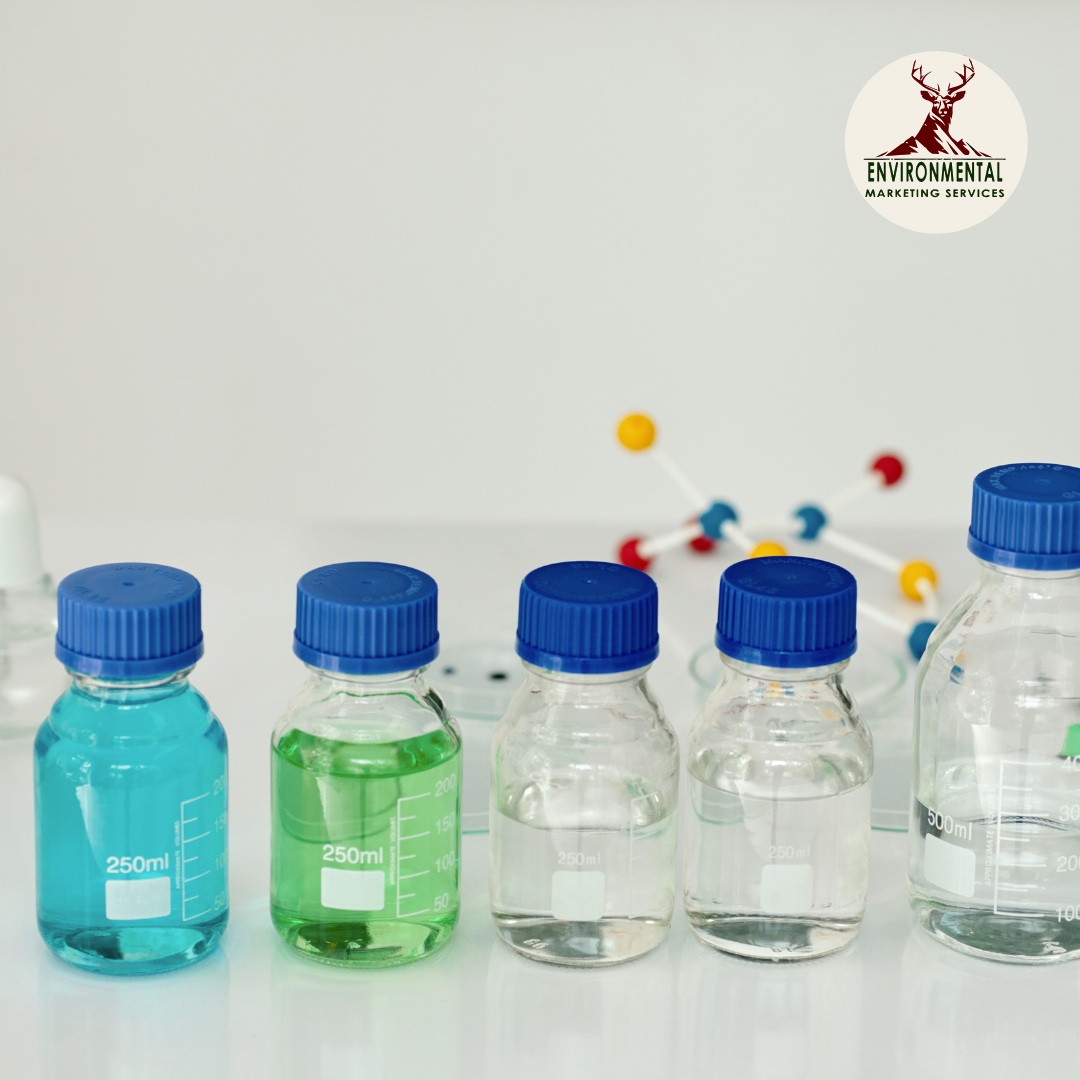
Waste disposal in laboratory settings is more than a routine task; it is a key part of keeping people safe and work areas clean. Every lab, whether it is used for research, product testing, or education, deals with leftover materials. These might include chemicals, broken glass, contaminated gloves, or old containers that cannot be reused. Without proper organization and disposal, these items can stack up quickly and lead to accidents, confusion, or delays.
When we handle waste the right way, we make sure harmful materials end up in the right place, not in trash bins or storage closets. Whether the waste is solid, liquid, sharp, or reactive, each piece needs to follow unique rules. Sorting and labeling are not just helpful steps; they are required ones. That is why we always approach lab cleanup with care, especially when hazardous waste services are part of the job.
Safe Ways to Separate Lab Waste
Keeping waste organized from the start makes everything else easier. Sorting lab waste safely means knowing what falls into each group and treating items in those groups the right way. In most labs, waste falls into a few main types:
- Chemical waste: leftover liquids, powders, or solids that are no longer in use or no longer safe to keep
- Biological waste: materials like used gloves, culture plates, or anything exposed to bacteria or bodily fluids
- Sharps: items like needles, broken glass, pipette tips, and razors that could cut, puncture, or injure
Each category needs its own container. Chemical waste should not be mixed, even if two liquids look the same. Biological waste is sealed in thick, flame-resistant bags. Sharps go into hard-sided bins labeled for sharp objects. It is not just about where items go; it is how clear the labels are and whether boxes are sturdy enough to hold their contents securely. A marker and a clear label can prevent a lot of confusion later on.
Ensuring clear separation prevents cross-contamination. Having dedicated containers on hand helps staff react quickly when waste is produced during experiments. Using color-coded labels and designated bins further reduces the chances of mistakes and makes compliance with lab safety practices easier. By setting up these systems at the start, we can avoid last-minute sorting issues.
Handling Hazardous Lab Waste the Right Way
Some materials found in labs need extra care because of how they react, contaminate, or break down. These are considered hazardous, and they come with extra rules for handling and storage. Chemicals like acids, solvents, or old reagents should not sit on a shelf once they are no longer in use. They pose risks to staff and to the building if they are not packed and stored correctly.
That is where proper labeling, boxing, and safety plans start to matter more. We make sure containers are closed tightly, with nothing leaking or exposed. Each box must list what is inside, normally with both a chemical name and a hazard class. Some materials might need to be kept separate even before they leave the building. By taking time to set up the right systems, we protect our team and the environment from careless mistakes.
Regulations from agencies such as the EPA and DOT give clear steps to follow. These help labs handle waste safely and avoid penalties. No matter how small the lab, those rules still apply when dealing with hazardous waste.
Departmental waste management plans can help enforce these rules consistently. Training staff regularly keeps everyone up-to-date on the safest disposal processes. Maintaining documentation of each disposal helps guarantee accountability and readiness for audits.
Why Regular Pickups Matter for Lab Waste
Leaving waste to pile up in a corner is not just untidy; it can be unsafe. Regular pickups keep things moving so labs do not run the risk of working around full containers or expired chemicals. When storage starts to crowd work areas, safety goes down and the chance of an accident goes up.
By setting a schedule, we give labs a routine. We know when containers need to be swapped out and when the safest route is to schedule a pickup. This is not just about convenience; it makes it easier for safety audits to pass and for labs to stay on track with their projects.
Some chemicals also have storage limits. That means we cannot keep them in-house for long. Over time, sitting chemicals can start to degrade, pressurize the container, or change the way they should be classified. Regular removal helps avoid those issues before they start.
Sticking to a regular removal schedule minimizes emergency events. Monitoring expiration dates and storage quantities helps identify when removal should be arranged. With a structured system in place, labs can better forecast their needs and prevent last-minute scrambles.
The Role of Trained Professionals in Lab Waste Disposal
Dealing with lab waste is not just a back-room task. It takes trained eyes and steady hands to sort it all out. Professionals help keep things running smoothly because they know exactly what to look for and what to avoid. They understand the difference between similar-looking materials and know which combinations to keep apart.
That kind of knowledge saves time, prevents errors, and helps everyone feel more confident in the lab. Even for teams that handle their waste well each day, outside help can step in for tougher jobs. It might be during a lab cleanout, a move to a new building, or the review of old chemicals that no one remembers using. Large or small, we help handle those steps safely.
When outside professionals come in, they bring gear and procedures built around safety. They check containers, update labels, and keep the process clear from start to finish.
Working with trained professionals also keeps all legal paperwork and tracking requirements met every time. It supports internal staff by letting them focus on their main tasks while hazardous waste is managed efficiently and safely.
Expert Solutions for Lab Waste Management
Laboratories across the United States trust us for expert waste pickup, chemical disposal, and regulatory-compliant lab packing. Our services ensure that materials such as out-of-date chemicals and universal waste are removed safely and in line with state and federal guidelines. As a fully permitted and insured transporter, we help labs in 47 states reduce risks and streamline the waste removal process.
Clear communication between lab staff and us is important for successful service. Coordinating scheduling, handling special requirements for unique waste items, and maintaining up-to-date records are all part of the process. Following these guidelines helps make sure each lab’s waste is managed the same reliable way every time.
Proper Disposal Means a Safer Lab for Everyone
Taking care of waste the right way helps protect the people who work in labs, along with the projects they are running. It is harder to do good work when waste is not handled correctly, when containers are mixed up, or when old items line the back of storage cabinets.
By staying organized and following safe steps, we help create lab spaces that are cleaner, safer, and better prepared for work. Proper waste disposal in laboratory settings is part of the foundation that helps labs function well over time and stay ready for whatever comes next.
At Environmental Marketing Services, we help labs of all sizes manage waste safely with smart planning, clear labeling, and reliable pickups. Keeping your work areas clean and your staff protected starts with knowing what to store, what to remove, and when to call in support. We help you sort, pack, and remove waste by the book, whether it is part of a weekly routine or a one-time cleanout. For safe handling, removal, or storage, our hazardous waste services are ready to support your next step. Contact us today.